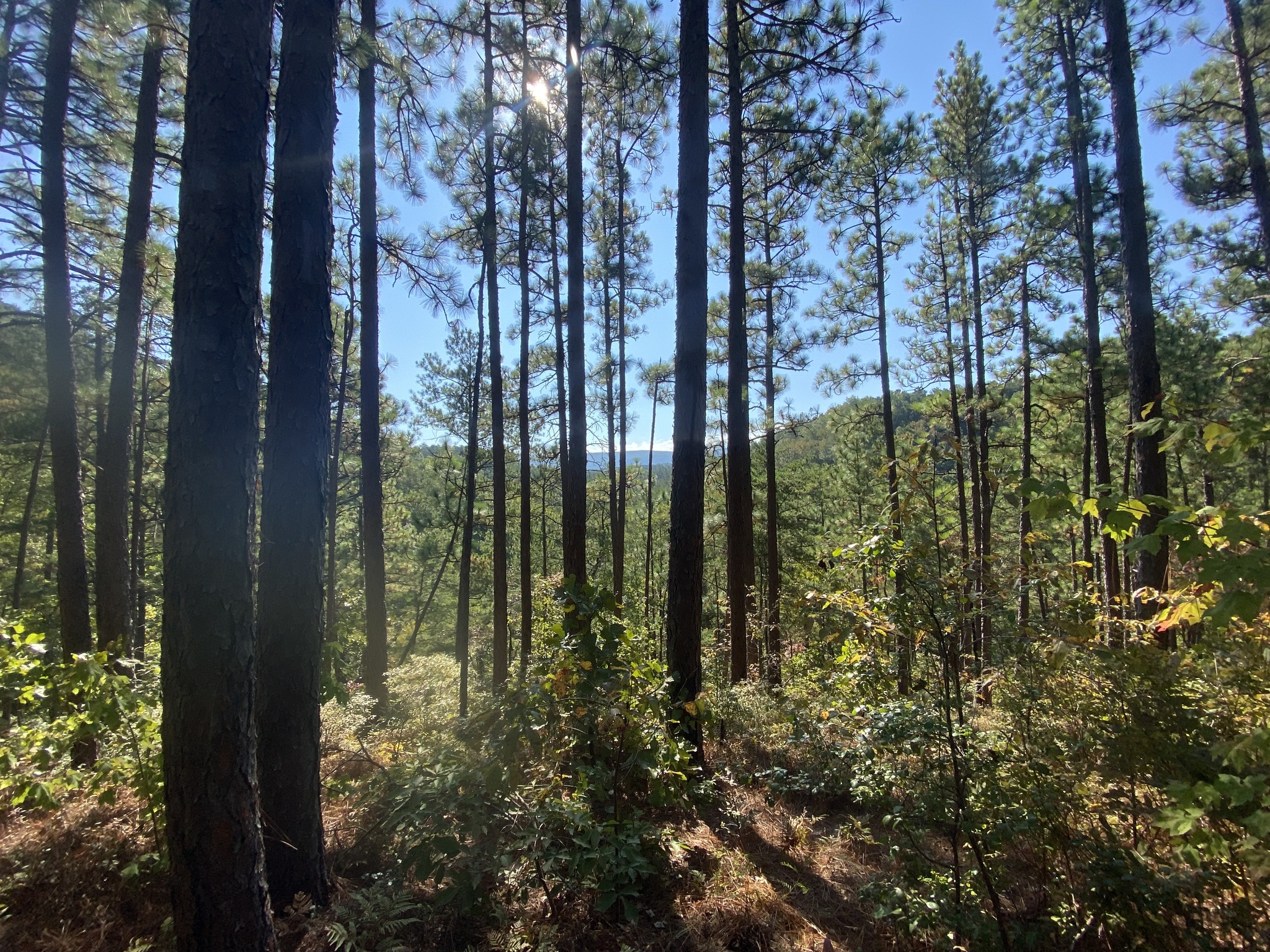
Alabama, with its rolling Appalachian foothills, deep canyons, ancient forests, and Gulf Coast wetlands, is a walker’s paradise. The Yellowhammer State features hundreds of miles of trails across its state parks and national preserves, ranging from gentle paved loops to rugged backcountry routes. These paths offer something for everyone, no matter your age or fitness level.
Beyond the scenic beauty, regular walking on these trails also delivers proven physical and mental health rewards. Scientific research shows that “green exercise”—physical activity in natural settings—lowers blood pressure, strengthens the heart, reduces stress hormones, and elevates mood more effectively than indoor workouts.
The Physical Benefits of Trail Walking
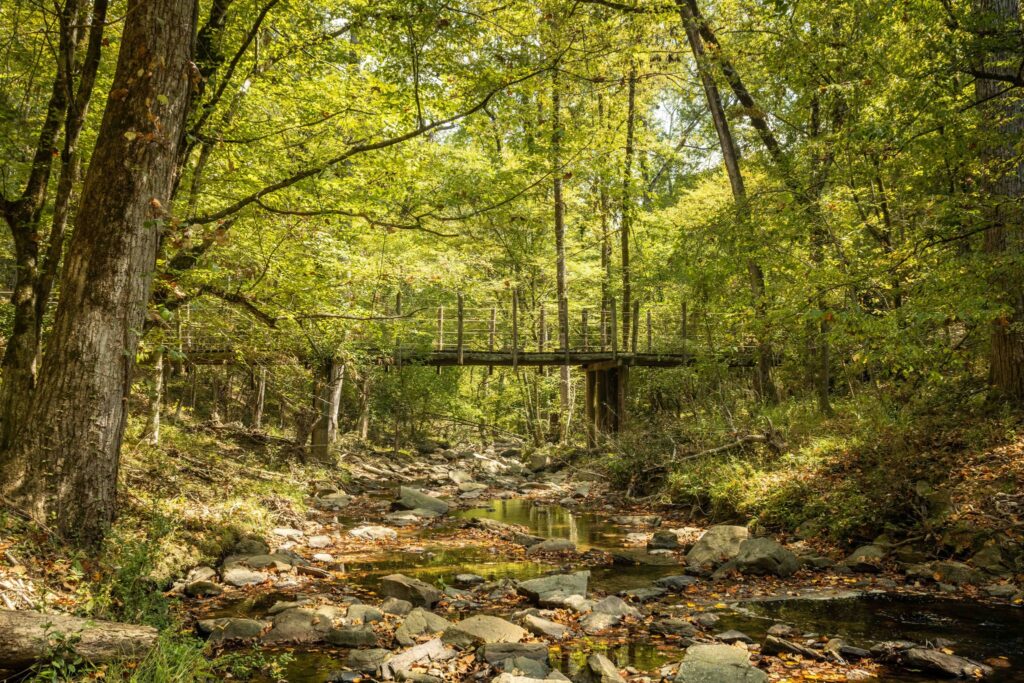
(Alabama State Parks/Contributed)
Walking Alabama’s trails provides a full-body workout that builds cardiovascular endurance, muscular strength, and bone density. A moderate-paced hike burns 300–500 calories per hour while engaging the core, legs, and stabilizing muscles—far more than a treadmill stroll.
The varied terrain improves balance and coordination, reducing fall risk, especially important as we age. Studies link regular hiking to lower blood pressure, reduced risk of heart disease, better blood sugar control, and decreased obesity. Even short daily walks in nature boost physical activity levels and help combat chronic conditions like diabetes.
The uneven surfaces of forest paths and rocky overlooks strengthen ankles, knees, and hips without the joint-pounding impact of running. Sunlight exposure helps increase vitamin D production, supporting immune function and bone health.
Whether climbing to an overlook or strolling a flat rail-trail, these trails turn exercise into an adventure that keeps you motivated.
The Mental Health Rewards
Nature walks aren’t just good for your body—they can also deliver powerful psychological benefits. Time in forests and canyons lowers cortisol (the stress hormone), quiets rumination, and sparks the release of serotonin and dopamine—natural mood elevators. Research shows that time in nature reduces activity in the brain’s prefrontal cortex, the area tied to repetitive negative thinking. Hikers often report sharper focus, better sleep, and lower rates of anxiety and depression.
Alabama’s trails, with their birdsong, waterfall sounds, and panoramic views, create a form of “forest therapy” that restores attention and fosters mindfulness. Social hikers gain community connection, while solo walkers experience solitude that promotes self-reflection. The result is greater emotional resilience and a profound sense of well-being.
Alabama’s Premier Walking Trails
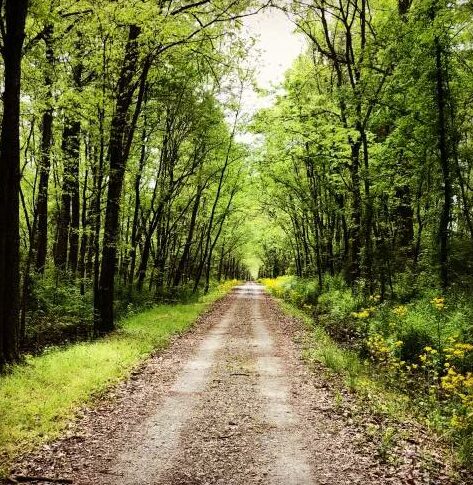
(Singing River Trail/Facebook)
Here are six standout trails that showcase the state’s diversity and deliver maximum health payoffs.
King’s Chair Loop, Oak Mountain State Park (near Birmingham)
This moderate 4.3-mile loop in Alabama’s largest state park climbs through hardwood forests to a dramatic sandstone overlook. The final push rewards hikers with sweeping views across the valley. Steep sections build leg strength and cardio fitness, while the forested return eases the mind. Proper footwear is essential on the loose rocks.
Walls of Jericho (AL Trailhead, near Scottsboro)
A challenging 6–7 mile out-and-back trek descends into a dramatic limestone canyon featuring waterfalls and clear pools. The steep elevation change provides an intense lower-body workout, while the shaded gorge invites moments of quiet reflection. Spring wildflowers and autumn foliage make every season mentally restorative.
Little River Canyon National Preserve (near Fort Payne)
A network of short rim trails and boardwalks skirts one of the deepest canyons east of the Mississippi. Waterfalls tumble over sandstone ledges, and the river offers cooling spots in warmer months. The flat, accessible paths suit all ages and abilities, delivering gentle cardio and opportunities for nature immersion that lower stress in minutes.
Sougahoagdee Falls Trail, Bankhead National Forest (near Double Springs)
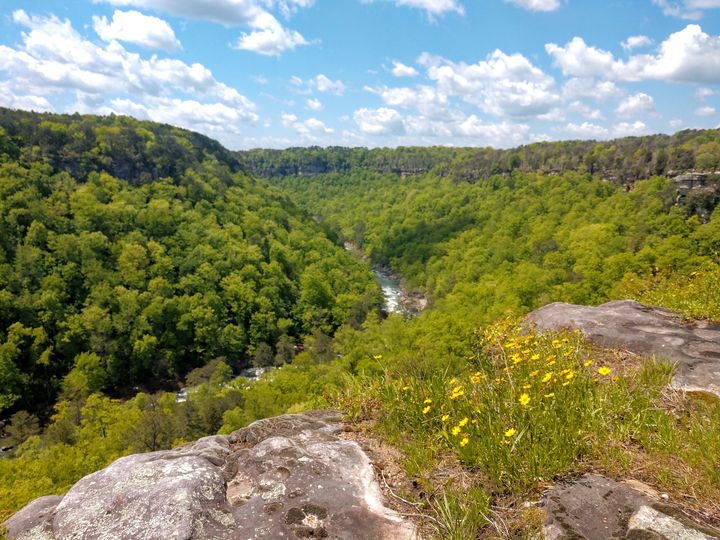
(Little River Canyon/Facebook)
This easy 2–3 mile round-trip hike follows a clear stream to a waterfall tucked within the forest. Limited parking keeps crowds low, allowing for a quieter, more immersive experience. The gentle grade and steady sound of water promote mindfulness, while the falls provide a rewarding destination.
Hugh S. Branyon Backcountry Trail, Gulf State Park (Gulf Shores/Orange Beach)
This award-winning 28-mile network of paved and boardwalk paths winds through nine ecosystems—from maritime forests to coastal dunes. Flat terrain makes it ideal for families, seniors, and runners alike. Birdwatching and wildlife sightings (deer, otters, herons) add delight, while the coastal breeze and ocean proximity enhance relaxation.
Bald Rock Trail and Summit, Cheaha State Park (near Delta)
At 2,407 feet, Alabama’s highest point offers both accessible and more challenging ways to take in the view. The Bald Rock Trail provides a short, easy path to sweeping vistas, while nearby routes offer moderate climbs that strengthen legs and lungs. The panoramic payoff fosters awe and perspective—especially at sunrise or sunset.
Getting Started and Staying Safe
Choose trails that match your fitness level, wear sturdy shoes, carry water, and check weather forecasts. Many parks offer ranger-led walks and accessible options. Start with 30-minute walks and gradually increase distance to reap the full benefits.
Get Going!
Alabama’s trails are more than scenic destinations—they are free, natural prescriptions for a healthier body and clearer mind. Lace up your boots, breathe deeply, and discover why walking here feels like coming home to yourself.
Whether you seek a gentle coastal stroll or a canyon challenge, these paths promise transformation—one step at a time.
For more stories like this, subscribe to our newsletter and get the best of Alabama delivered to your inbox every Friday.