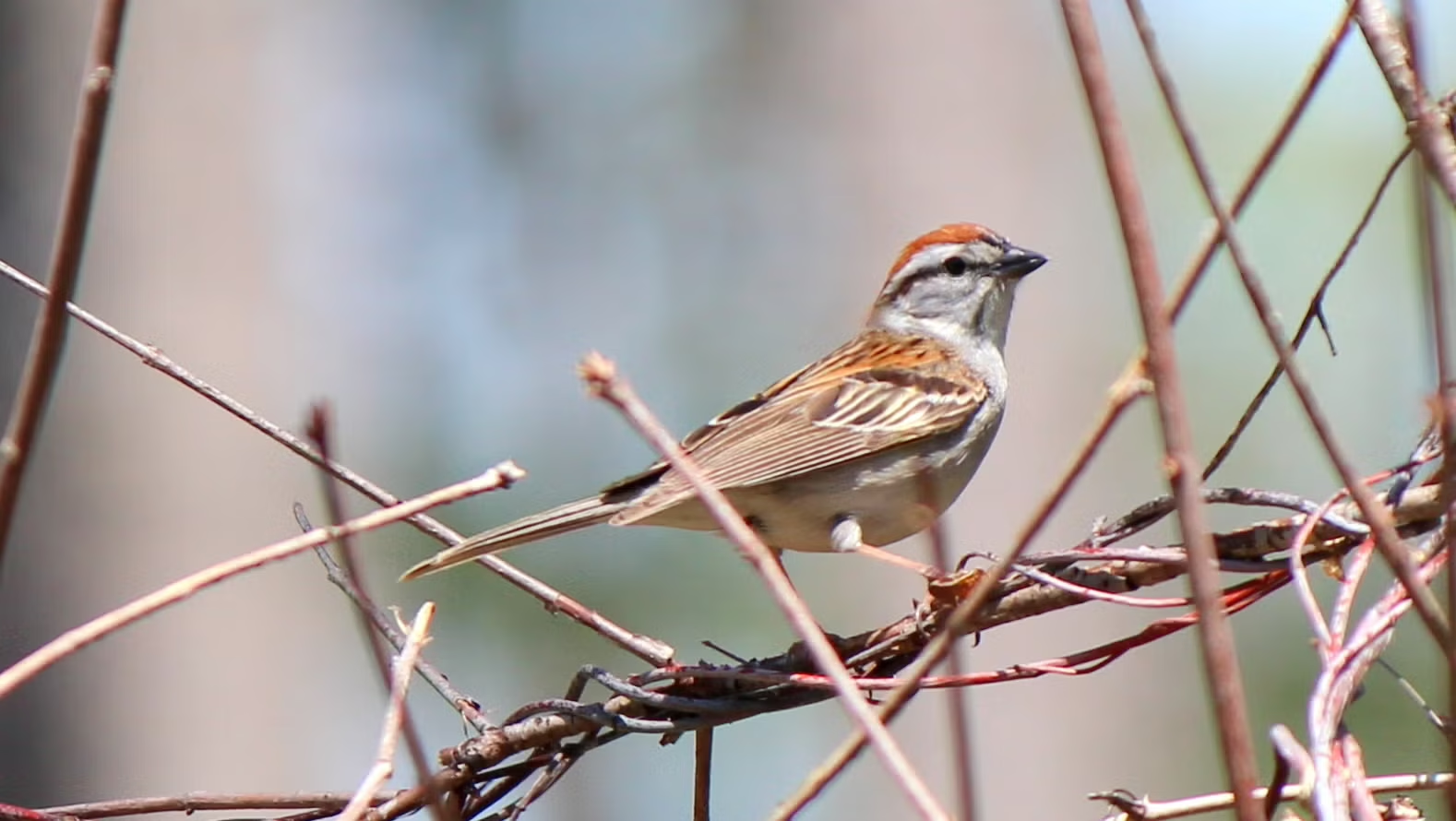
I gripped my father’s old Bushnell binoculars on an early spring morning in 2011 as I scanned the trees. All around me, I could hear the sounds of cardinals and Carolina wrens singing, as chickadees fluttered on a nearby branch. Suddenly, I spotted a bird flitting frenetically at the top of an oak adorned in Spanish moss.
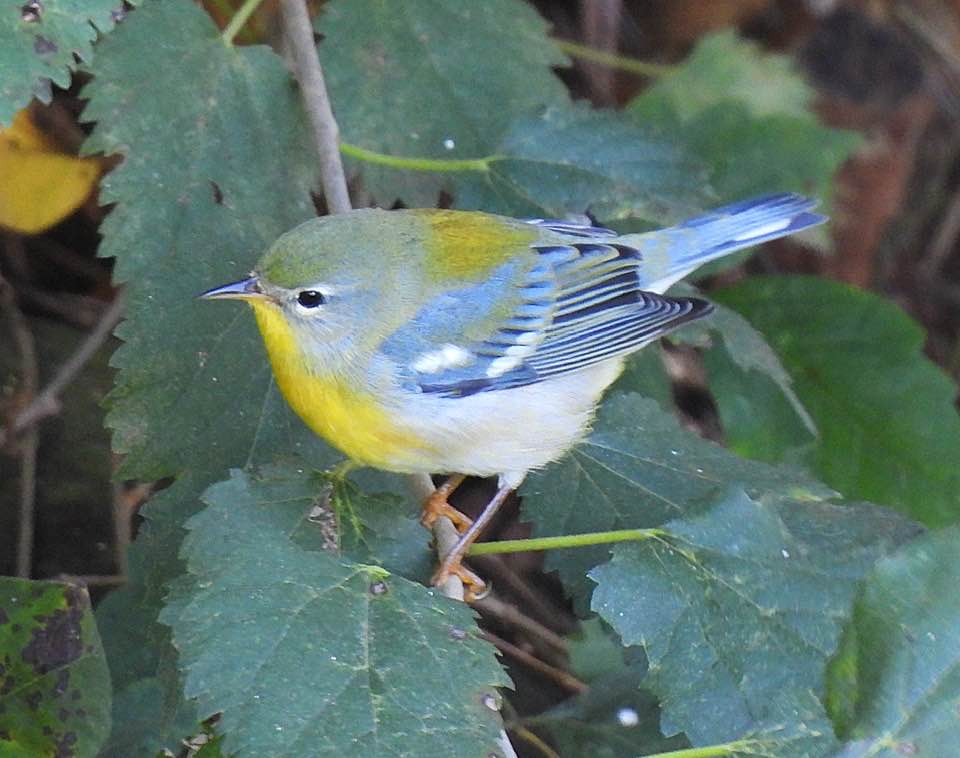
I whipped my field glasses up to my eyes with a speed that would rival the gunslingers of the Old West, focusing on a tiny bird. My jaw dropped and my heartbeat quickened as I instantly realized it was something I had never seen before. I had laid eyes on my first Northern Parula.
My hands began to shake with adrenaline as I followed the bird from branch to branch, taking in the sky-blue and yellow plumage. I couldn’t believe my 12-year-old eyes. The parula became my favorite bird and really “set the hook” on my interest in birding. I realized that colorful birds like this warbler are more than just illustrations in a field guide — with a little effort, they can become a real-life experience.
(Alabama Outdoors/Facebook)
So why should someone consider giving birding a try? And where does one begin? As a birder of 15 years, I can share a few tips for those who wish to step into the world of birding — even if you don’t know a wren from a woodpecker.
Why should one give birding a try? First, as a birder, you will have experiences and see birds most people never will because they do not slow down to look. You truly never know what you will see when you go out birding, whether it be a rare bird, a new species, or even a unique behavior. It might be tempting to think birding is not a very exciting hobby, but as an avid hunter and fisherman, I find birding drawing me back day after day for the same reason hunting and fishing do: I never know what might be around the corner. Birding will also take you to unique and stunning locations such as nearby wildlife refuges or state parks. If it were not for birding, I would not have visited some of Alabama’s natural wonders, such as the Splinter Hill Bog or Little River Canyon.
The second reason birding is so rewarding is the aspect of collecting. Once you have seen the common birds in your yard, you begin to venture out and add birds to your list, and your pride and sense of accomplishment grow with each new species. You notice impressive species in your guide that you never see and dream of getting to see one in the field, but do not realistically believe it is possible. Until one day you do, and the world of birding opens up a little more.
Finally, there is the competitive aspect. Most are not aware that birders can participate in competitions like a Big Year, or Big Day, to see how many species you can see over a period of time. You can compete against yourself to go birding more this year, see more species, or make goals for how many birds to see in your favorite haunt this year. Birding offers something for everyone, whether you are looking for adventure, want to fulfill your desire to pursue and collect, or your desire to compete.
Birding Essentials
(Outdoor Alabama/Facebook)
Another upside to birding is that only a handful of equipment is necessary to get started. Here are the essentials:
1. Field Guide: You will need a field guide that covers the entire Eastern United States, and one with high quality illustrations. Perusing the pages of your field guide will benefit you as you get familiar with the species in your area.
2. Binoculars: I recommend binoculars that have a magnification power of 8 or 10, and a 42-millimeter objective lens. This will read as 8×42 or 10×42.
3. Spotting Scope: If you live by water or in a coastal area, a spotting scope may also be a good idea, as it can take birds like ducks or shorebirds that are often far off and make them identifiable with its significantly higher magnification.
4. Field Notebook: A notebook is always handy for tracking the species you see on an outing. A waterproof one such as the birding notebook by Rite in the Rain is perfect, and will still work in wet conditions.
5. Birding Apps: My favorite birding app is eBird. It can be used to create checklists of birds that you see on a birding trip and will keep track of your distance travelled and your life list for you. The website is even better, offering the ability to sign up for rare bird alerts, view birds you have not seen in an area, and explore birding hotspots near you. eBird has truly revolutionized birding, and made it easier for birders to track down new species, and view historic records. It is now central to birding culture around the world. Another good app is Merlin, which can fairly accurately identify birds around you by their songs, or identify a bird from a photo, given the quality of the photo is sufficient.
Alabama: A Birder’s Paradise
Alabama is an excellent state to begin birding, with mountains, swamps, prairies, beaches, and over 400 species recorded statewide. I have birded in nearly every major region of Alabama, and each offers unique opportunities.
Here are some must-visit birding destinations:
-
Wheeler National Wildlife Refuge, Morgan County: If you love waterfowl, Wheeler is the perfect destination. This spot comes into its own in the winter months, when hordes of ducks, geese, cranes, and other birds congregate in the Refuge. The best place to start is the visitor’s center observation tower that overlooks wetlands and fields covered in waterfowl. It is outfitted with one way glass, spotting scopes. The endangered Whooping Crane shows up at this spot on occasion, and I was lucky enough to see seven there in December of 2018.
-
Talladega National Forest, Cleburne County: The Shoal Creek Ranger district of the Talladega National Forest is one of my old haunts, and a birders playground. The area around Coleman Lake is especially well known for its population of Red-cockaded Woodpeckers as well as an extremely unique disjunct population of Red Crossbill that stays in the forest year round. Other species of note are bobwhite quail, brown-headed nuthatch, and various colorful warbler species.
-
Oak Mountain State Park, Shelby County: This spot is a great getaway for birders in the Birmingham area. The mountainous terrain offers pine, oak, and lake habitat to explore. The bird feeders at the Alabama Wildlife Center located within the park are an excellent spot to check, especially in the colder months for winter birds like purple finch, pine siskin, and red-breasted nuthatch. The forests are full of neotropical songbirds in the spring and summer months.
-
Eufaula National Wildlife Refuge, Barbour County: Well known as one of the top places for birding in the state, Eufaula NWR offers a patchwork landscape of wetlands, woodlands, and open fields. In the winter, a wide variety of waterfowl can be seen, and during migration it is a good place to look for shorebirds of all kinds. The woods play host to a variety of songbirds, and the fields hide many species of sparrows.
-
Wehle Forever Wild Tract, Bullock County: One of my first birding trips was to the Wehle Tract in 2013. Here I saw my first Bachman’s Sparrow, a hard-to-see bird endemic to the Southeastern United States. The property is well managed, and in spring and summer is a wonderful spot to wander and find many species of warblers, anhinga, and bobwhite quail in addition to the Bachman’s Sparrow.
-
Alabama Nature Center, Elmore County: The roughly 5 miles of trails at the Alabama nature center wind through habitat provided opportunities to see woodland birds year round. Keep an eye out for the Swainson’s Warbler, a southeastern specialty that is notoriously hard to see as it hides in cane thickets. Take advantage of the bird blind on site that offers views of bird feeders that stay stocked year-round!
-
Lowndes Wildlife Management Area, Lowndes County: Another old haunt of mine. Located along the Alabama river, the Lowndes WMA has habitats that include cypress forests, marshes, oxbow lakes, and much more. It can be an good spot to see ducks in the winter, and in the summer plays host to prothonotary warblers and northern parulas. Painted Buntings have even been seen here. Most importantly, this area of the Black Belt is known as an excellent place to see swallow-tailed and Mississippi kites in the late summer, as they follow tractors kicking up insects as they bushhog their fields.
-
Dauphin Island/Fort Morgan, Mobile and Baldwin Counties: Dauphin Island and Fort Morgan are birding Mecca in Alabama, and many Yellowhammer State birders make their yearly pilgrimage during spring migration. These spots are special during migration as they are magnets for migrants. During migration, a phenomenon known as fallout occurs. Birds crossing the Gulf of America run into storms along the coast and literally “fall out” of the sky and descend on the first spot of land they see: Dauphin Island or Fort Morgan.
-
AWF Delta & Bay Conservation Center at Five Rivers, Baldwin County: The site of AWF’s new outdoor education center, Five Rivers is a well-known hotspot for birding, and is included on the Alabama Birding Trail. Located in the globally important and hyper-diverse Mobile-Tensaw Delta, and arguably the best birding region in the state, it comes as no surprise that an impressive 225 species have been recorded on the property. Several habitats are on or adjacent to the property, such as live oak forest, pine forest, saltmarsh, and tidal mudflats. Several highly desirable species can be seen here, such as the stunning Painted Bunting and the Purple Gallinule. If you are interested in visiting, keep an eye out for beginner birding programs and hikes coming this spring, and a youth birding camp we will host this fall!
I am blessed to work at the AWF Delta & Bay Conservation Center at Five Rivers. With its abundant bird life, I look forward to leading hikes and introducing campers, visitors, and beginning birders to the incredible avian life of the Delta.
This story originally appeared in the Winter 2026 issue of Alabama Wildlife.
Want more stories like this? Join our newsletter for more stories rooted in Alabama, delivered to your inbox every Friday.