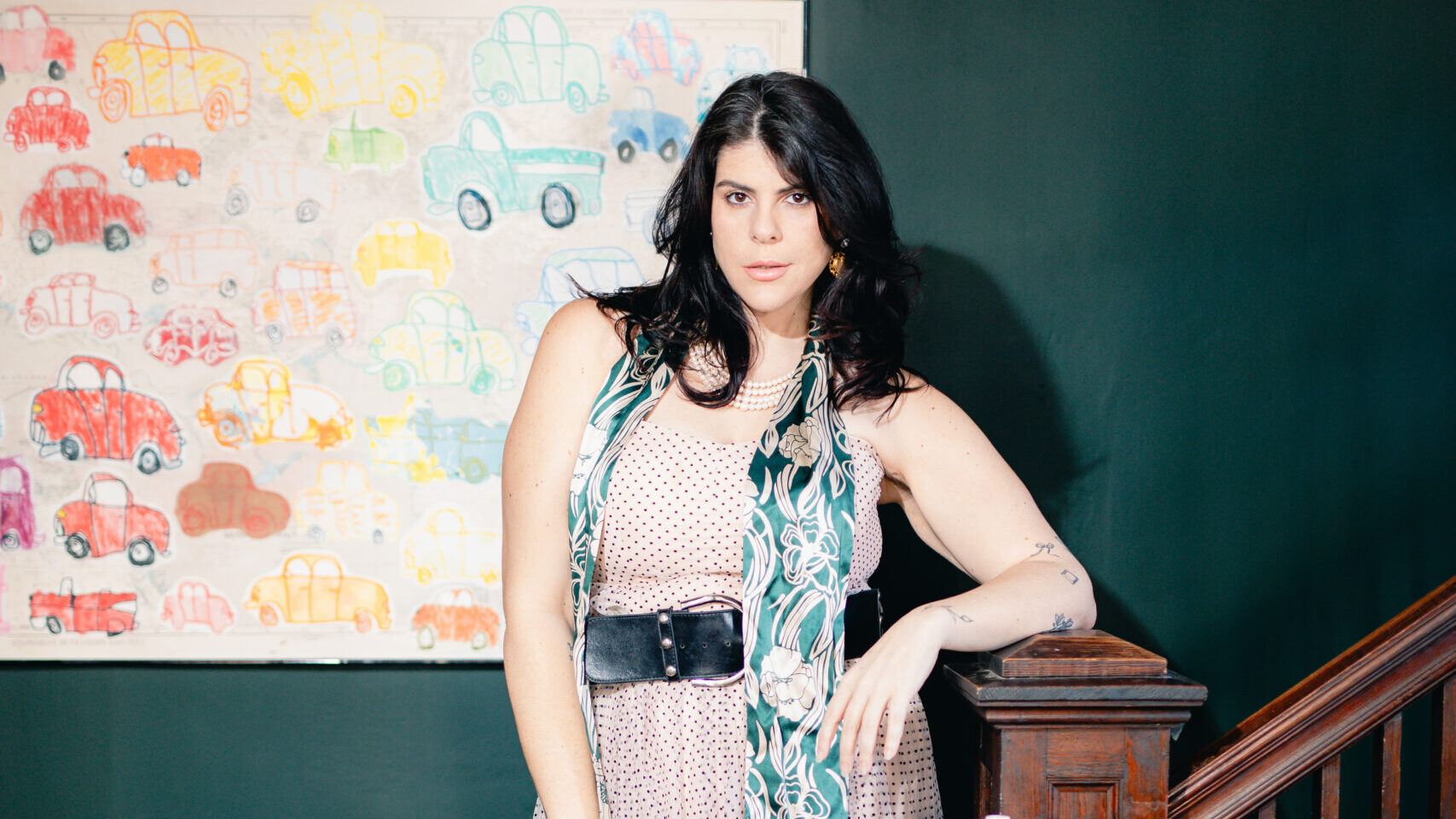
Mary Fehr’s photography is immediately recognizable, and in many ways has become synonymous with her hometown of Birmingham. Fehr is a master at elevating the everyday, whether she’s capturing a romance, a chef in the kitchen, or a fleeting moment between friends. Her photographs don’t just show what’s in front of the lens; they show the heart of the people and places that make up the Magic City.
Based in Birmingham, Fehr has built a style that blends documentary realism with editorial polish, shaped by her love of art history, sculpture, and painting, and by a deep investment in the city’s creative community. Her work is about presence and connection; Fehr captures people and places with intimacy and curiosity.
Editor Holly Swafford sat down with Mary Fehr to talk about the beginnings of her photography career, the city that continues to inspire her, and the people-first approach that guides her work.
How did you first come to photography?
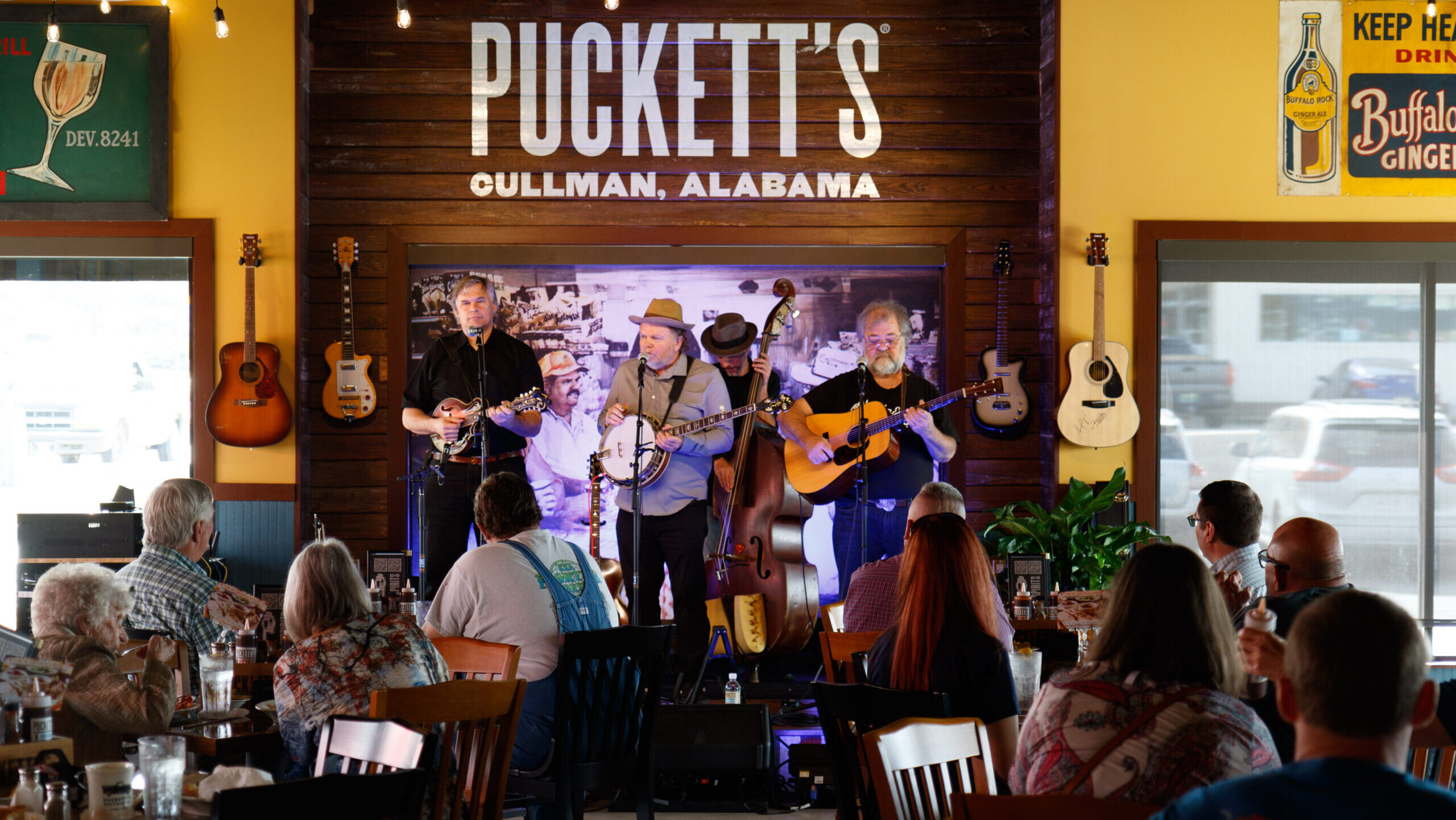
(Katherine Mullen/Contributed)
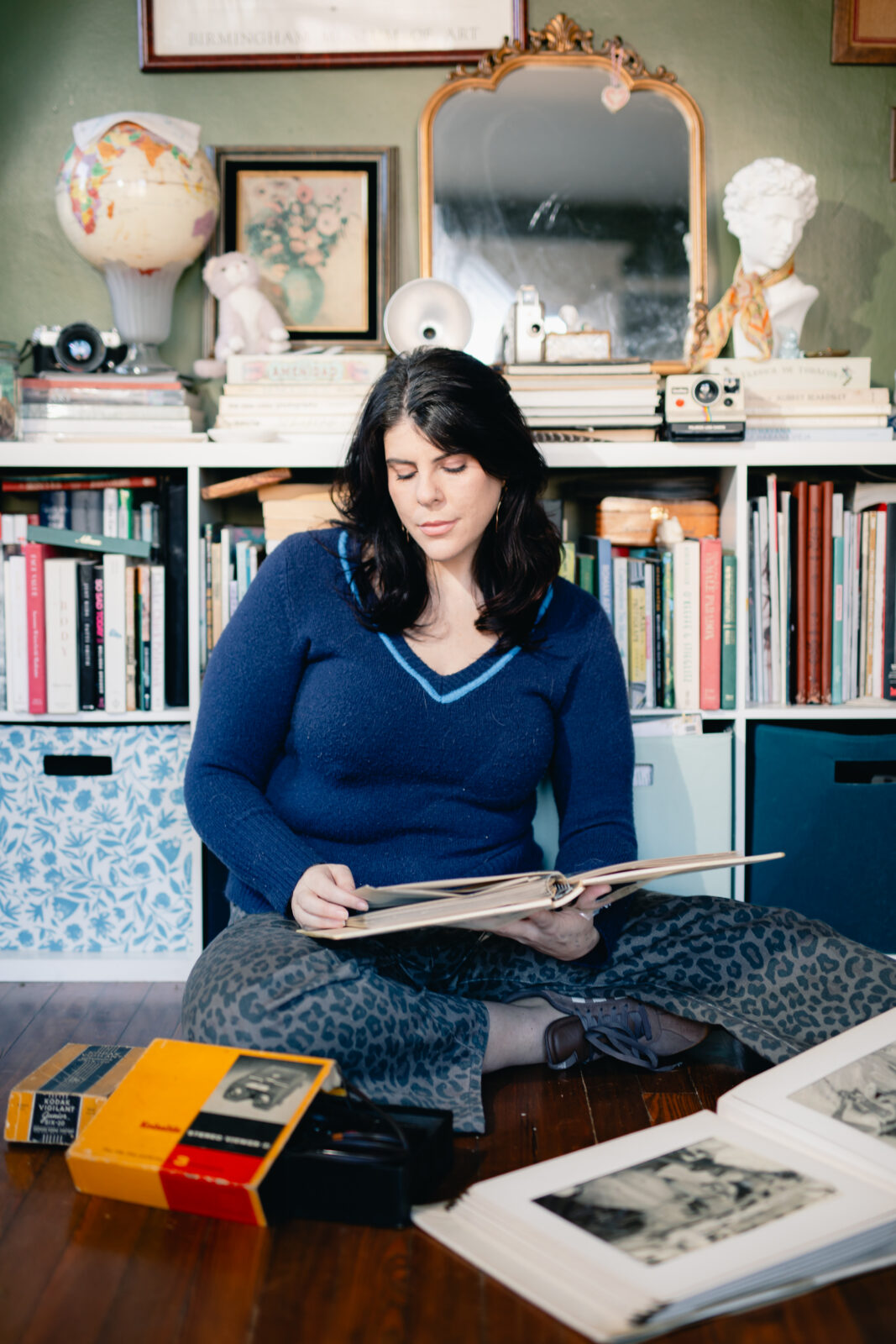
My mom was always really into photography. I have three sisters, and at every family event it was always my mom with her camera, documenting everything. Sometimes it felt annoying to have so many photos of the same thing, but as you get older—and people start passing—you realize those photographs are everything. If my mom hadn’t taken those pictures, those moments would be gone. I love having boxes of her photos now.
In high school, I was on the newspaper staff and really enjoyed taking pictures of my friends and everyday life, but it was casual. When I went to college at Montevallo, I didn’t know what I wanted to do. I signed up for a photography class at the last minute, and my professor, Karen Graffeo, really pushed me to keep going. Photography feels like that sometimes—like something that’s given to you as a gift.
I ended up getting my degree in art with a photo concentration. I loved art history and art photography, especially working with film. At the same time, I was working several restaurant jobs and started assisting other photographers—one wedding photographer and one commercial photographer. When I graduated, I slowly started building my business, and at the end of 2017 I convinced myself to try photography full time. It was scary not having a backup plan, but I felt really lucky to be able to take that leap.
How would you describe your visual style to someone encountering your work for the first time?
I describe my style as a mix of documentary and editorial, with a colorful, contrasting punch. I studied a lot of art history in college, and I’m really influenced by Greek and Roman sculpture—the boldness, the form—and by painters like John Singer Sargent, who is my favorite. There’s so much emotion and depth in that work.
I also took fashion photography classes and went to New York Fashion Week, which I loved, and I studied documentary photography too. I’m really drawn to photojournalism, but I have such a sensitive heart that I don’t know if I could always remain neutral. So I think my work lives somewhere in between: documentary moments with the direction and intention of an editorial shoot.
Visually, I want things to feel real but elevated. I like color and contrast. I don’t want my work to feel too soft or airy—I want it to feel fun, bold, and honest.
Birmingham has a distinct sense of place—how does the city influence the way you see and photograph?
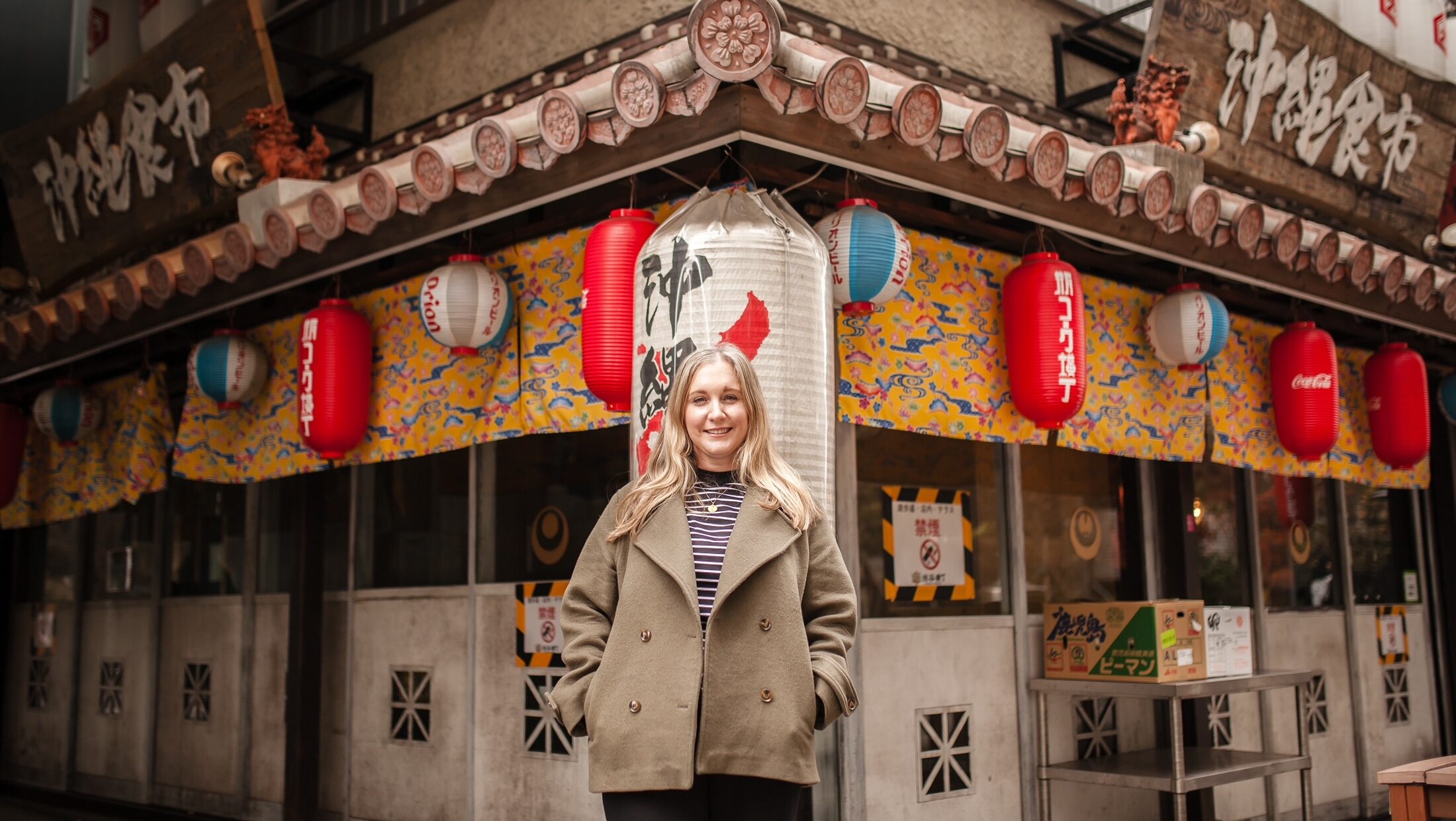
(Katherine Mullen/Contributed)
Birmingham has such a rich and deep history, and much of it isn’t positive. But at the same time, the community here is so vibrant. The people are incredible—food, drink, fashion, events, visual arts. There are so many talented people here doing exactly what they love and building community around it.
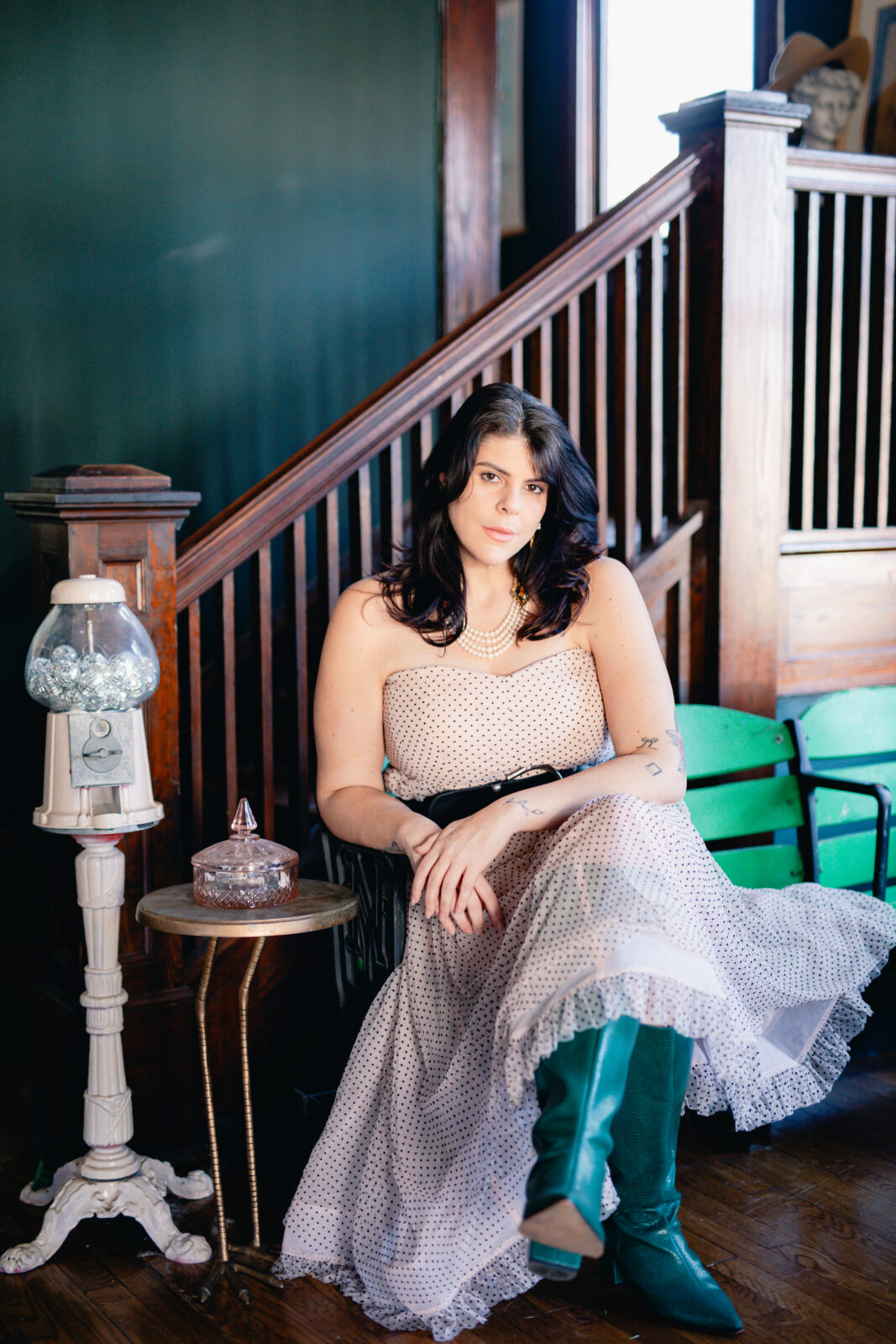
I live in a historic home that’s over a hundred years old, and I love thinking about all the life that’s been lived within these walls—people who laughed and cried and had friends over for dinner. There’s something really grounding about being in a place that has existed for so long. I feel that way about found objects, too—something that mattered to someone else and now gets to live a new life with me.
Birmingham feels like that to me. You can’t erase what’s happened here. It bears witness. There’s so much history layered into everyday life, and being surrounded by that makes me more aware, more present. The city feeds me creatively because of its people and its sense of continuity.
Food photography is a unique balance of storytelling and restraint. How do you approach it?
Weddings and events came first for me, but food photography started around the same time through work with Birmingham Magazine. I was shooting dishes and recipes, and I was also photographing my own food just because I loved it. It became this ripple effect—the more I shared, the more people reached out.
Food has to be visually appealing, of course—colorful, bold, distinct—but it’s also such an art. Who is the person behind this dish? Who is it for? What does this place feel like? I’m always trying to capture the vibe of the space, not just a “nice, clean picture.”
Food is such a huge part of Southern culture, and especially Birmingham’s culture. When people ask what there is to do here, the answer is always: do you like to eat or drink? Because we have incredible chefs and bartenders. But what excites me most is the story behind the food. Whoever is making it—that’s their heart they’re showing you. It doesn’t have to be perfect or pristine. Mess is human, and that matters to me.
When you’re photographing people, do you have any tricks or advice to help them feel comfortable?
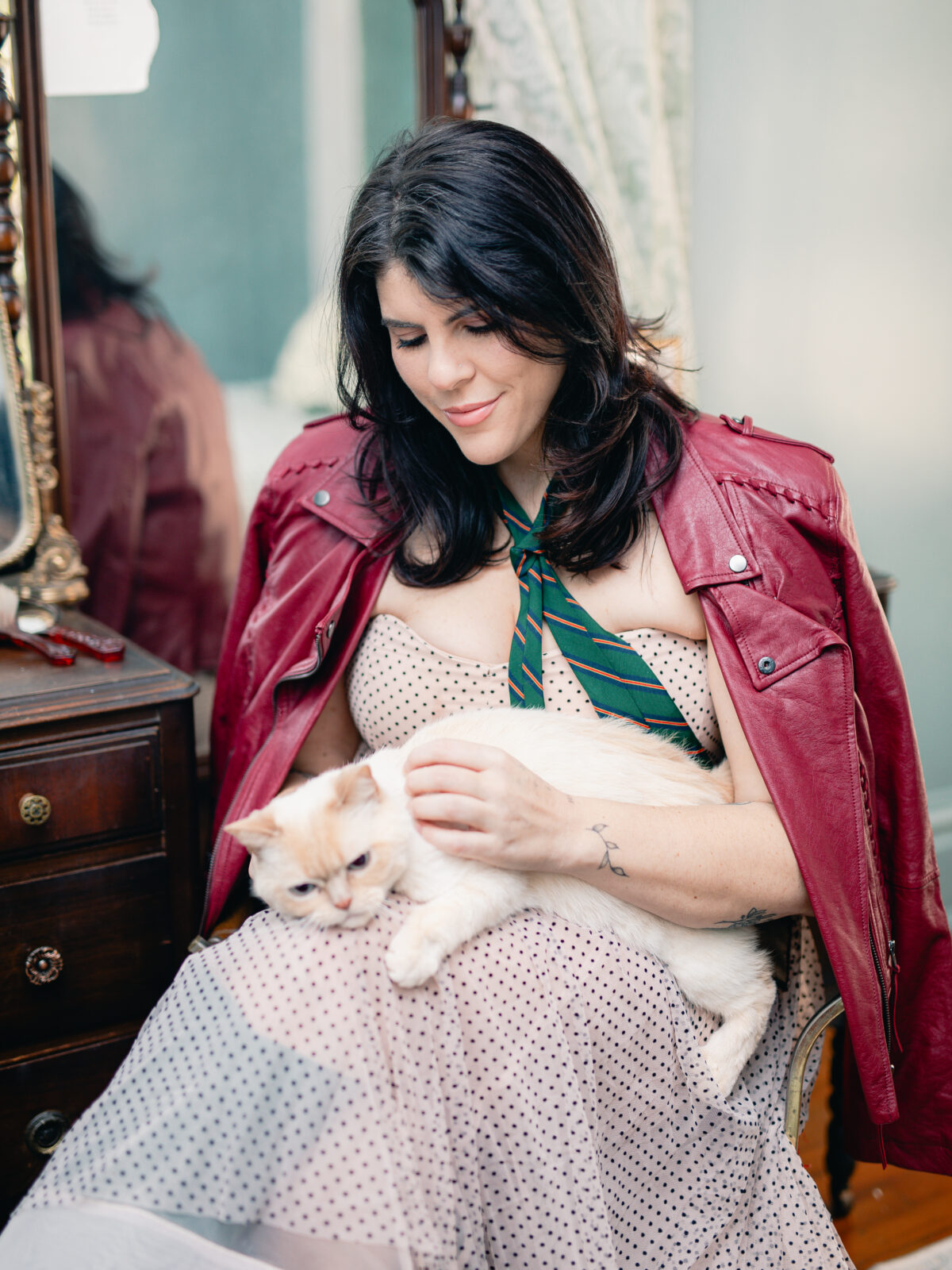
It’s a really big deal to me that people feel comfortable and low stress. I try to go into every shoot with a warm, open, welcoming energy. A handshake and a smile go a long way—it’s a way of saying, “We’re doing this together.”
I ease into the shoot by making small talk and just being present. I want people to feel like I’m just hanging out with them, camera included. Curiosity is everything. If you’re open and you listen, people really want to tell you who they are, and I want to know how to show that visually.
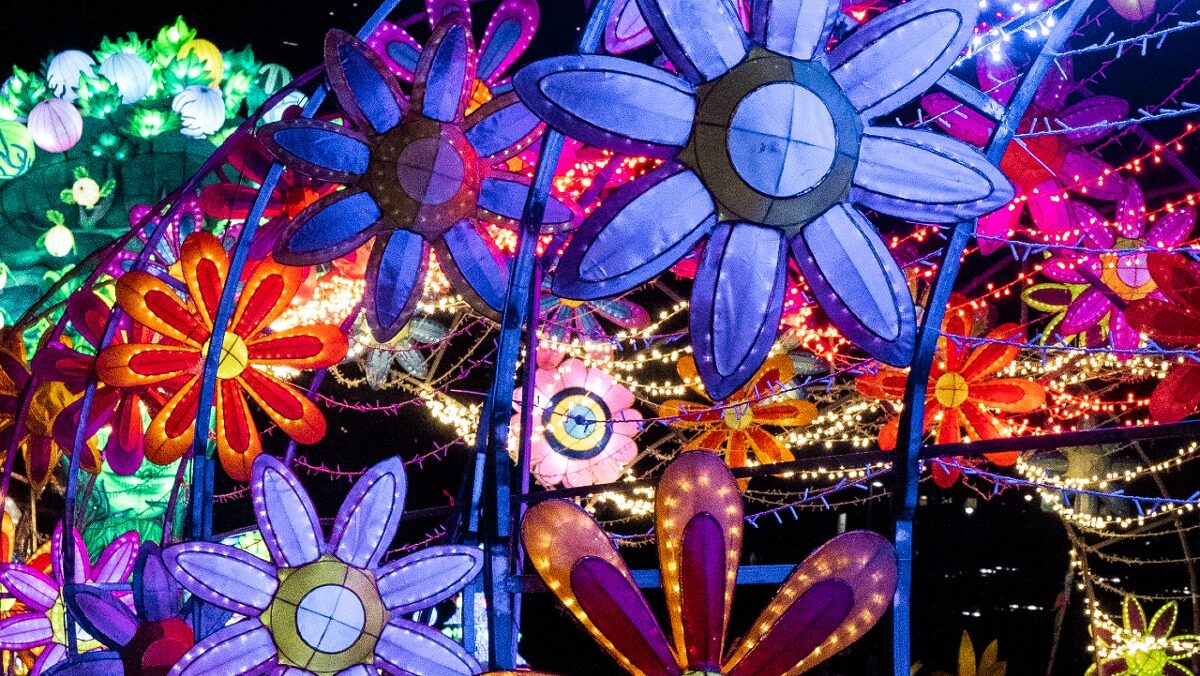
(Katherine Mullen/Contributed)
Recently, I was photographing a cotton farm in North Alabama for an assignment and expected it to be quick. Instead, the farmer drove me around his land for hours, shared snacks, told me stories, and invited me back for lunch another day. It turned into one of the best days of my photography life. That only happened because I was open to letting the interaction unfold.
I keep a verse on my mirror that says not to just pretend to love people, but to really love them. That stays with me. At the end of the day, we’re all the same. Being present and genuinely caring changes everything.
How has your work evolved since building your career here, and what lessons has Birmingham taught you as a photographer?
Community has shaped everything for me. Birmingham’s creative community is incredible, but it needs to be fed. Some people have to stay and invest in it. There’s so much talent here, and while that can feel intimidating, there’s also so much work to go around because of how rich the city is creatively.
I’ve learned that community doesn’t just happen—you have to build it. I’ve started hosting gatherings, inviting people together, creating the kind of space I always wanted growing up. Nobody cares if things are perfect. They just want to feel welcomed and loved and know there’s a seat at the table.
Art is about connection. Making friends. Bringing people together. That’s been one of the biggest lessons Birmingham has taught me.
Do you have a favorite subject to photograph?
I love shooting food, and I enjoy weddings, but what I love most is photographing people doing their thing—environmental portraits. Seeing someone in their element tells you so much about who they are.
That started in college for me, photographing professors at work or artists in their studios. I love asking people questions beyond “what do you do?” Who are you outside of your job? What do you love? Those portraits feel the most meaningful to me.
Looking ahead, what kinds of stories or projects are you most excited to tell next?
I’m working on a show and a book of my personal figure work, which feels really important to me. I’m also dreaming about a project photographing Birmingham chefs in their home kitchens—documenting who they are outside of work, cooking a meal they love, and telling their story through that.
I imagine it as a coffee table book with portraits, recipes, and interviews. Food is such a huge part of Birmingham’s culture, and the people who make it are just as important as the dishes themselves. And that’s a story I really want to tell.
Want more stories like this? Join our newsletter for more stories rooted in Alabama, delivered to your inbox every Friday.