I knew my grandparents, especially my great-grandparents, by the toys and blankets they handcrafted for me. The pink babydoll cradle, hand-carved by a great-grandfather who died when I was in utero. The vibrant quilt that my great-grandmother, still living but far away, stitched together for tummy time. The numerous baby blankets that another, distant grandmother cross-stitched for me, covered in teddy bears and bows.
It didn’t occur to me to find it odd that all these handmade treasures came exclusively from my grandparents—not my mother, aunts, uncles or father. But Alabama Chanin, a Florence-based fashion brand, thinks that generational gap is worth a second look.
Jess Turner, who works for Alabama Chanin, told me, “Several years ago, Natalie (AC’s founder and creative director) just kind of out of nowhere looked at me and she goes, ‘You know, you’re the first generation since Adam and Eve that doesn’t know how to grow their own food, sew their own clothes, build their own shelter’—what we would call sustainable living arts.”
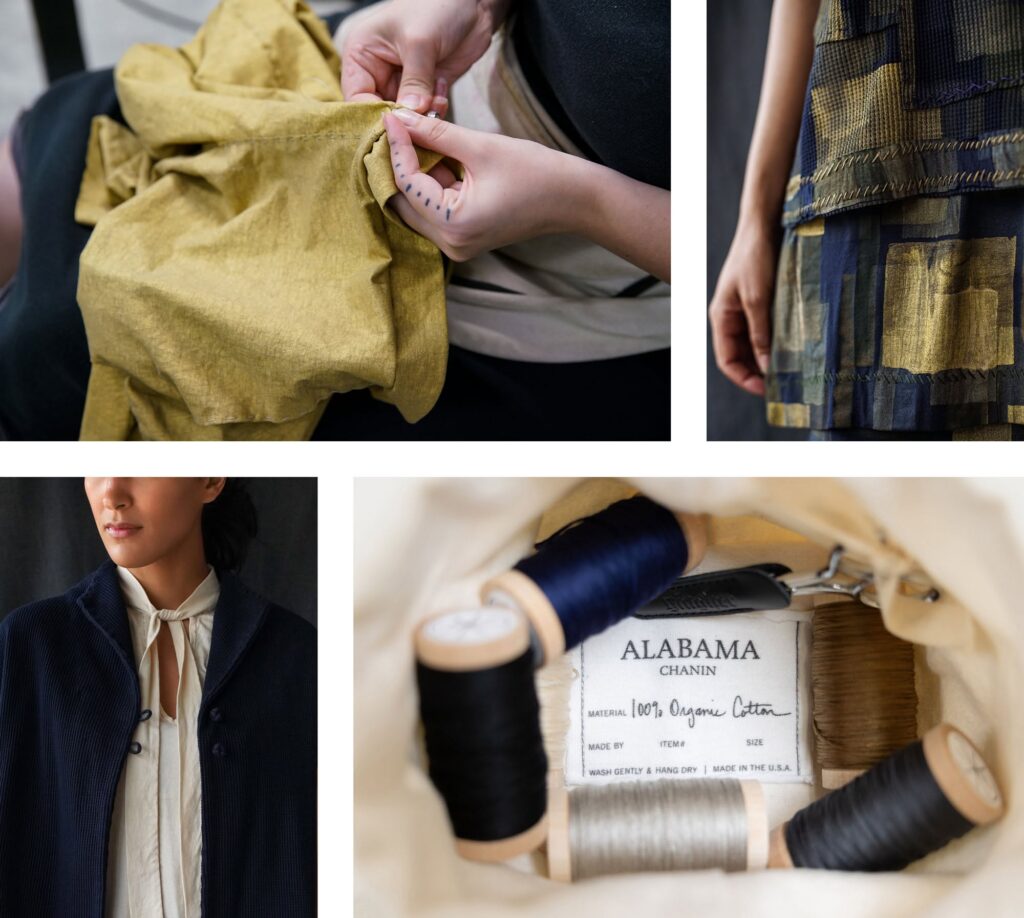
(Alabama Chanin/Facebook)
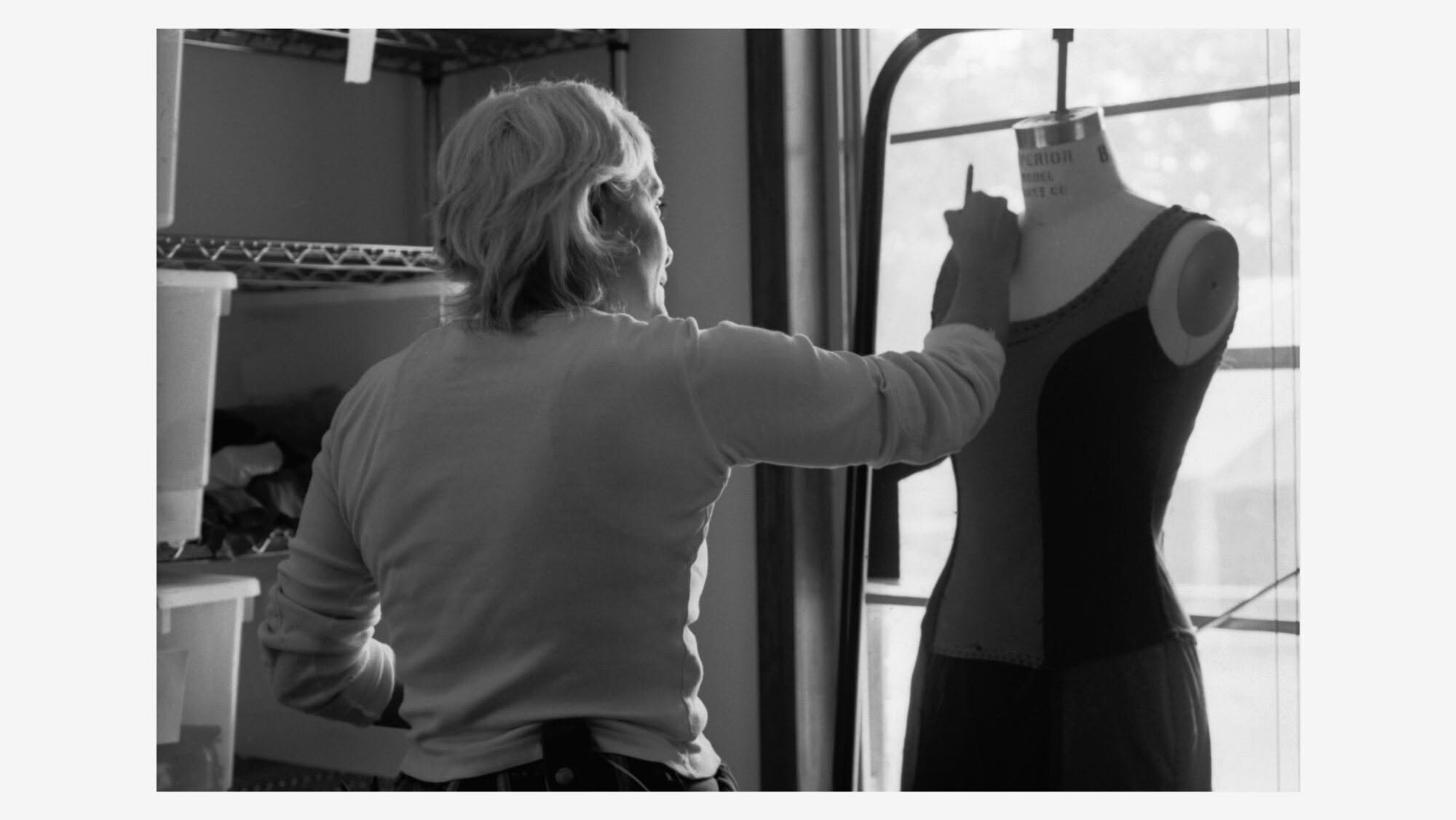
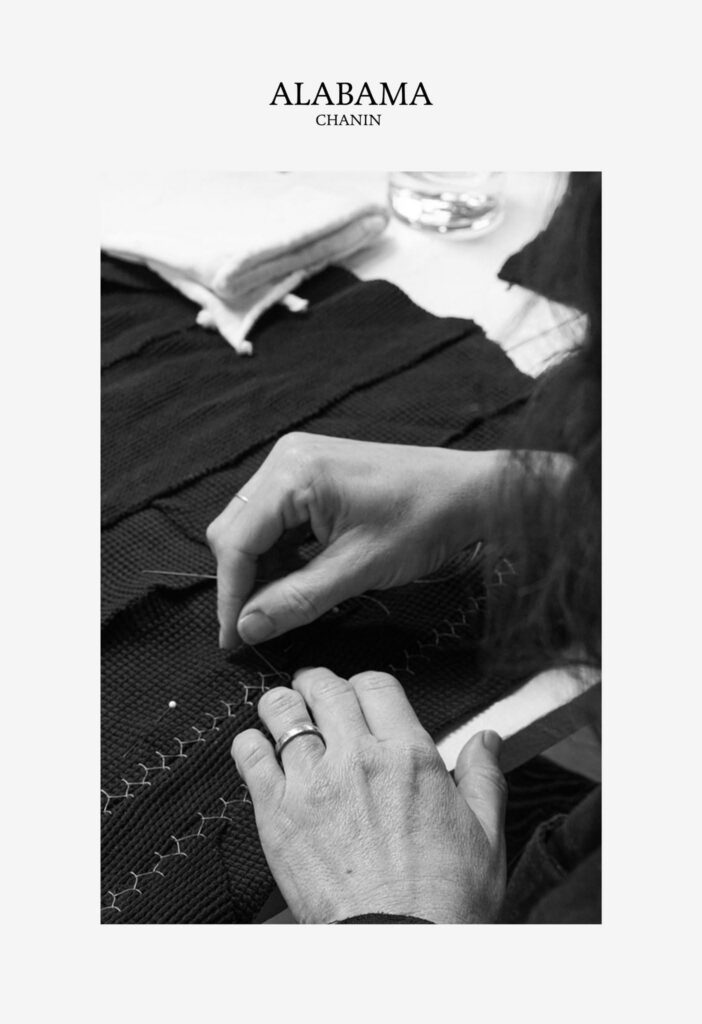
I’d just asked her about the importance of hand sewing, a cornerstone practice of Alabama Chanin. I’d expected a line of reasoning closer to what her coworker, Maggie Crisler, said.
“To me, it just brings the humanity back,” Crisler said. “Spending, you know, seventy-five to a hundred hours embroidering a fabric that I then wear—I just feel like I’m wrapped in love every time I do it.”
Turner did mention other benefits of the practice: an outlet for grief and a way to foster community were both important factors for her. And as Crisler pointed out, hand sewing was also about “having that connection to make something that lasts.” In other words, the sentimental value of a handmade object gives us a reason to keep it—something especially important for a brand committed to sustainability.
But to Turner, committing to hand sewing came down to something else entirely: carrying the weight of history.
She mentioned, “We’ve traced these techniques as far back as the Aztecs and the Mayans. We feel a personal obligation to not let them die off with us.”
And there was the catch—because Alabama Chanin isn’t just dedicated to the preservation of the craft; it’s also deeply committed to sustainability within the craft. And when they say sustainability, they aren’t just talking about using organic cotton, though they do, and it’s all grown in the American South. They’re talking about transforming the whole supply chain.
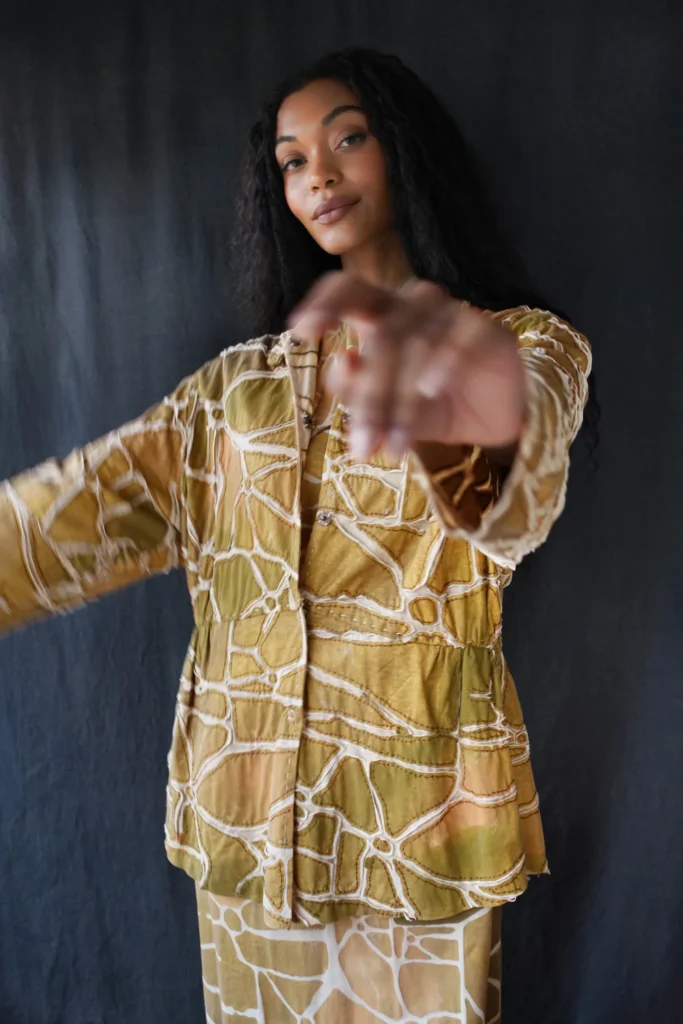
(Alabama Chanin/Facebook)
Their fabric is American-made from seed to shelf; their workers are all well-paid, local artisans; and their garments are made to order, reducing waste and allowing them to reuse the scraps for future appliqué. Not to mention, with proper upkeep, their designs should last decades.
But these ethics come at a cost, literally. Their simplest shirt, the waffle sweatshirt, runs around $300, but more of their items are closer to the one- or even two-thousand-dollar mark.
Preservation work often requires accessibility. But, as Alabama Chanin’s meticulously crafted supply chain illustrates so well, accessibility and sustainability are often competing goods. Turner identified this tension as “the tightrope of responsibility.”
One way they’ve tried to walk this tightrope is by offering workshops. There, they teach reverse appliqué and traditional whipstitch, along with other techniques associated with their brand. But even then, the same cost-driving factors that impact their waffle sweatshirt drive up the price of their workshops. In other words, the barrier remains up.
The answer came in 2018, when Project Threadways was born, and with it, the School of Making. While still a part of the Alabama Chanin ecosystem, Project Threadways—the umbrella that the School of Making sits under—is its own nonprofit.
They still do the traditional, full-priced workshops. But now they provide other, more accessible opportunities to learn, too. For instance, they’ve had a recurring partnership with the University of North Alabama, which allows them to essentially teach the same workshop for less than half the price.
“It was a way to open up our techniques to the community at large,” Crisler recalled, “to garner community interest, to get the word out about what we’re doing, and teach people that might have an interest in it.”
Turner added, “We were able to provide nine scholarships through a generous gift of a donor. They provided the funds for nine people to attend this workshop complimentary.”
(Alabama Chanin/Facebook)
They’ve written six different books, host virtual classes and facilitate the “School of Making Club,” which Crisler described as “part community, part online database of School of Making techniques.” The club is only $5 a month for a basic membership, but they offer a complimentary basic membership “if anybody ever reaches out and potentially can’t afford it.”
The effect on their community was greater than they anticipated. Crisler told me the story of a social worker who attended their UNA class some years ago.
“She ran a mental health club after school in her room, and she wanted to take these techniques back to her students. She actually ended up applying for a grant from the state.”
After being awarded the grant, the social worker had the School of Making come into her class and teach her special education class. Crisler described the event as “eye-opening.”
“Teachers and the principal would come sit in on the class. They would tell me that they couldn’t believe that this student or that student sat quietly, because that student had been sent to the office for fighting twice that week and was disruptive in class … but in this class, that student was very polite and quiet and focused on their work.”
Then Crisler added with a smile, “One of our current summer interns is actually one of the students from that class.”
Bringing the humanity back, it seems, means something more than bringing people physically back to the production process. Remembering our forgotten “sustainable living arts education,” as Turner coined it, might be preservation work; but ultimately, these practices bring us back to each other and back to ourselves.
There’s more to the quilts I received from my Grammy than their craftsmanship, after all. It’s about a connection between her and her work and me, and what flows from that.
Never miss a story. Subscribe to our newsletter and get the best of Alabama delivered to your inbox every Friday.