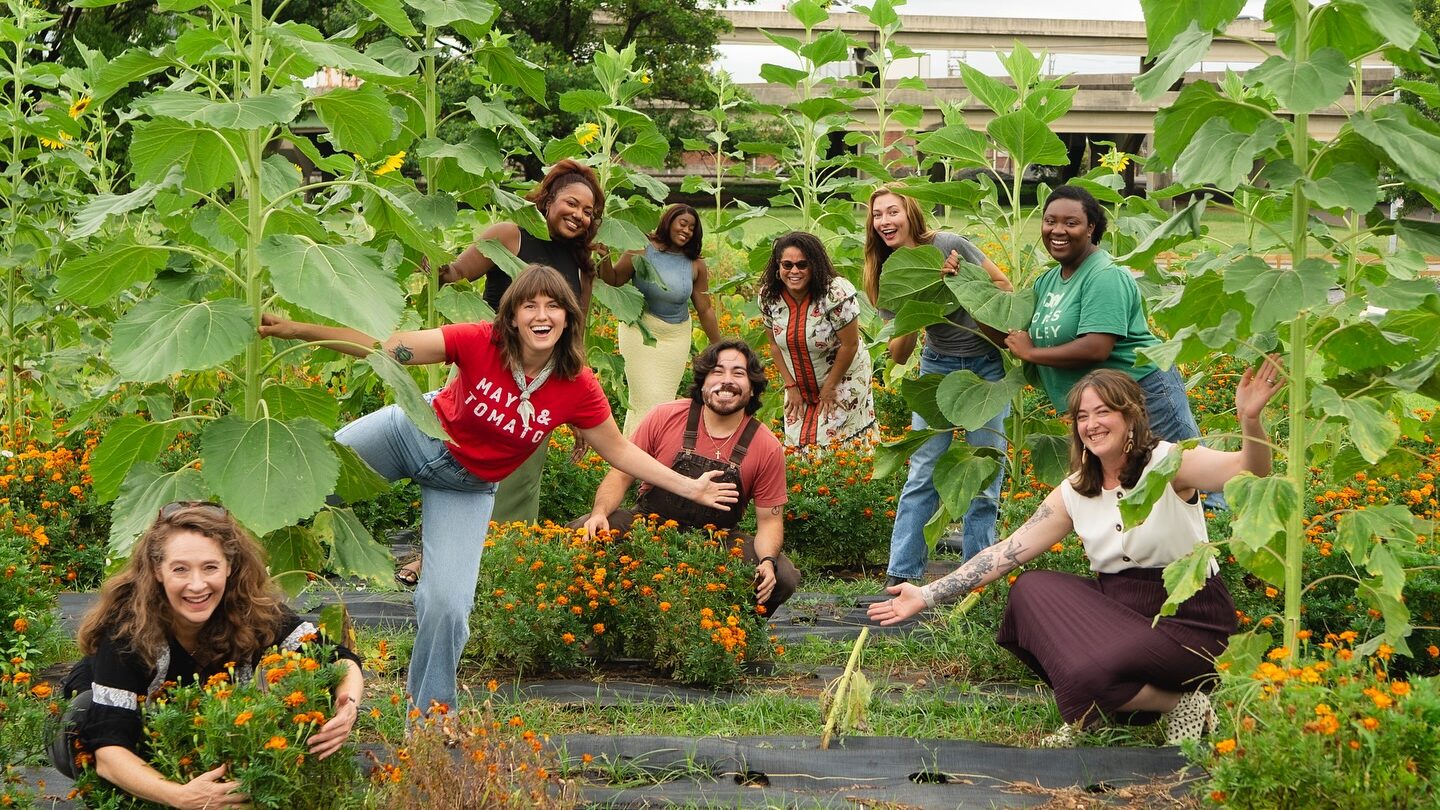
In the heart of Birmingham, Alabama, where food deserts affect tens of thousands of residents and contribute to the state’s high rates of obesity and diabetes, one organization is redefining healthcare. Jones Valley Teaching Farm (JVTF) isn’t a hospital or clinic—it’s an urban farm network turning fresh, locally grown produce into the first line of defense against chronic disease.
Through its Good Community Food initiative and flagship Good School Food program, JVTF demonstrates that access to nutritious food, paired with hands-on education, is powerful preventative medicine.
A Mission Rooted in Education and Access
The organization’s mission is clear: use food as a foundation so young people can lead, create, and grow a healthy future for themselves and their community. Founded in 2002 as a nonprofit dedicated to urban agriculture and youth education, JVTF now operates eight teaching farms across Birmingham City School campuses, along with its Center for Food Education.
In a city where convenience stores often replace grocery aisles and processed foods dominate diets, JVTF harvests more than 200 varieties of vegetables, fruits, herbs, and flowers each year. This bounty—thousands of pounds annually—doesn’t just feed families; it helps build long-term health resilience.
“The City of Birmingham is a food city, and to me, that means we grow it and share it too. We are lucky to have so many talented and passionate urban farmers in this city,” said Jessica Hill, Jones Valley Teaching Farm Community Programs Manager.
Tackling Systemic Barriers to Healthy Eating
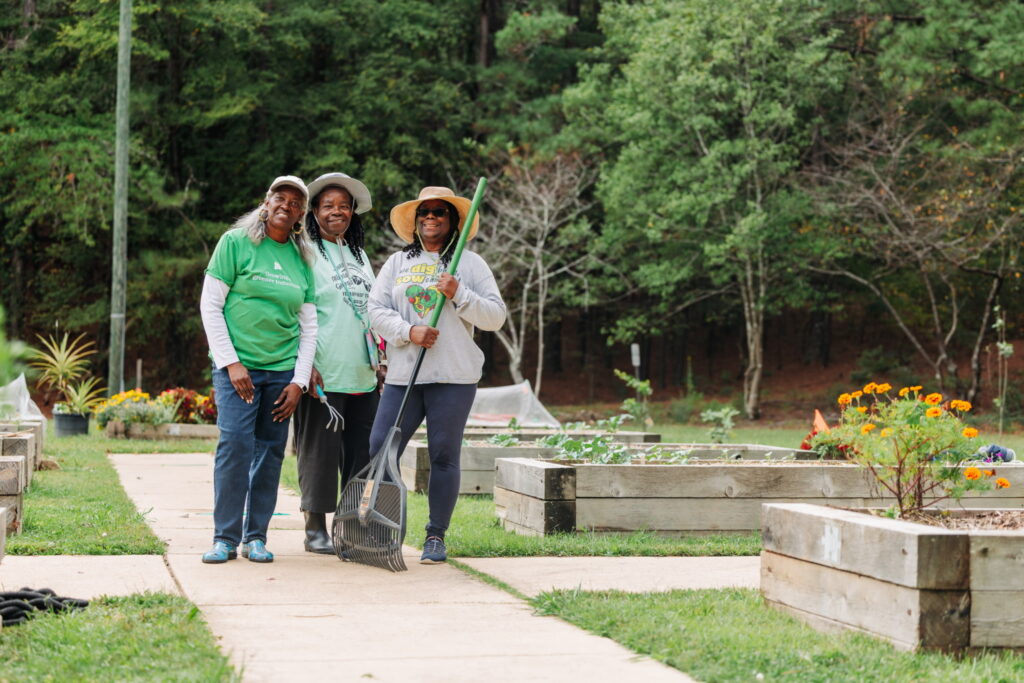
(Jones Valley Teaching Farm/Facebook)
Birmingham’s broader health challenges provide the backdrop for JVTF’s work. Alabama consistently ranks among the nation’s highest for adult obesity and diabetes, with food insecurity affecting a significant portion of households statewide. In urban food deserts, fresh produce is often scarce, expensive, or inaccessible, contributing to higher rates of diet-related illness.
JVTF counters these barriers directly. Its Good Community Food program, launched with federal support, strengthens the local food system by increasing access, offering skills training, and distributing free produce through farm stands, Harvest Share, and a growing network of community partners.
In a recent academic year, JVTF distributed nearly 25,000 pounds of fresh produce—a substantial increase from the year prior—to families across dozens of zip codes. Farm stands operated more than 200 days during one period, while a Seedling Share program delivered tens of thousands of free seedlings to community gardens, benefiting thousands of residents.
“The City of Birmingham is proud to stand with Jones Valley Teaching Farm in supporting our local urban farmers. These investments are proof of our commitment to both small business growth and food access for all residents,” said Birmingham Mayor Randall L. Woodfin.
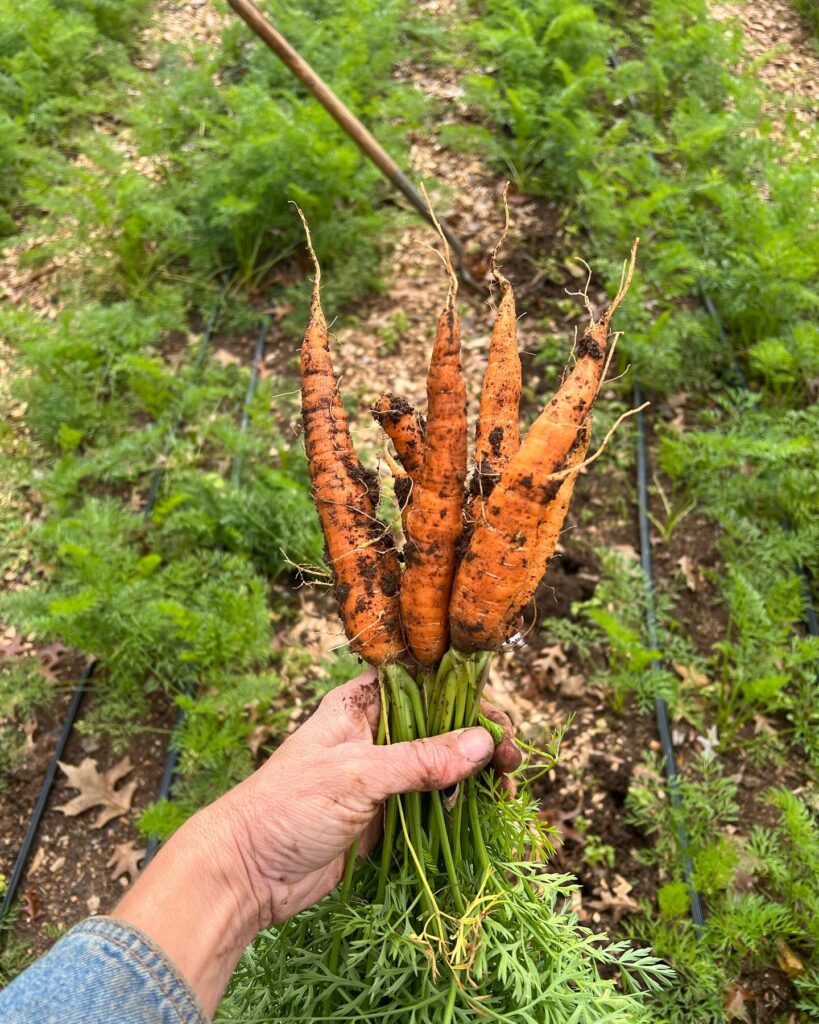
(Jones Valley Teaching Farm/Facebook)
Strategic Healthcare Through Community Empowerment
JVTF’s work goes beyond food distribution—it represents a form of strategic, community-based healthcare. By placing high-quality, chemical-free produce directly into neighborhoods, the organization reduces reliance on high-calorie, low-nutrient foods that contribute to chronic disease.
Equally important, recipients gain knowledge alongside access. The Good Community Food Fellowship trains urban growers through an intensive curriculum covering agriculture, culinary arts, food justice, and community gardening. Fellows manage plots at the Center for Food Education, emerging as advocates who extend the farm’s impact into their own communities.
At the same time, the City of Birmingham partners with JVTF on grant programs that provide stipends to local growers focused on whole-food nutrition and healing. These efforts create a ripple effect: residents grow their own food, families prepare healthier meals, and communities begin to shift toward a culture of wellness.
Cultivating Lifelong Habits in the Classroom
Education remains central to JVTF’s preventative approach. The Good School Food program reaches thousands of Pre-K through 12th-grade students in Birmingham City Schools through standards-aligned, experiential learning. Instructors and fellows integrate farming, cooking, and nutrition into subjects such as science, math, history, and health.
Students don’t just learn about food—they plant it, harvest it, prepare it, and taste it. What might otherwise be abstract lessons become tangible, lived experiences.
Recent data shows thousands of students reached in person during a single academic year, with qualitative studies pointing to increased responsibility, teamwork, nutritional awareness, and confidence.
Superintendent Dr. Mark A. Sullivan praised the program’s impact: “JVTF has instilled in thousands of Birmingham City School scholars the importance of good food and nutrition—and shown students how to grow and cook their own food.”
Parents and students echo that sentiment. One parent shared that her son gained lifelong skills in gardening, entrepreneurship, and conservation, while former apprentice Sedrick Burton—now managing a school farm—described feeling empowered as a Black urban farmer.
These outcomes matter because habits formed early often carry into adulthood. Students who understand where food comes from and how to prepare it are far less likely to develop obesity or diabetes later in life.
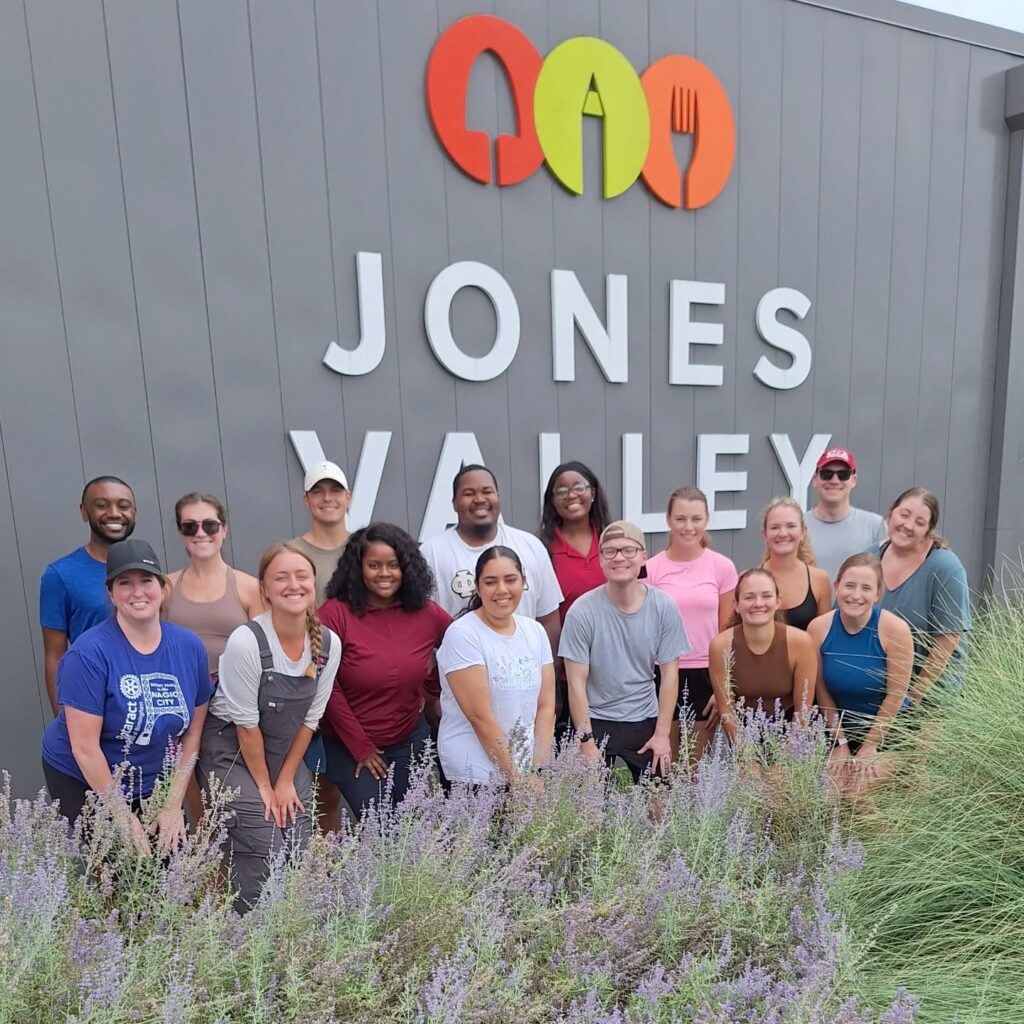
(Jones Valley Teaching Farm/Facebook)
Closing the Gap on Health Disparities
The farm’s impact extends far beyond individual students or families. By distributing fresh produce at no cost and supporting community gardens, JVTF directly addresses systemic inequities in Birmingham’s food landscape. In a city where many residents live in areas without reliable access to fresh food, every pound harvested and every seedling planted represents a step toward closing that gap.
To ensure its work is both effective and sustainable, JVTF partners with universities to evaluate its programs, measuring everything from student engagement to produce distribution. This data-driven approach reinforces what the community already feels: access to fresh food, combined with education, can create lasting change.
A Growing Model for the Future
JVTF’s work offers a compelling blueprint for cities across the country. As urban populations grow and climate pressures challenge traditional agriculture, teaching farms like this demonstrate how local food systems can serve as engines of both education and public health.
The organization’s vision—communities inspired by food and transformed by youth—is already taking shape in Birmingham’s gardens, kitchens, and classrooms. And as partnerships expand and awareness grows, so does the potential for even greater impact.
That growth, however, is not without its challenges. Meeting increasing demand, securing long-term funding, and expanding training programs will require continued investment and community support. Still, the trajectory is clear: volunteer engagement has surged, partnerships continue to deepen, and produce output rises year after year.
Food as Medicine, Rooted in Community
In an era when “food as medicine” is gaining traction in clinical settings, Jones Valley Teaching Farm is putting that philosophy into practice every day. Its work demonstrates that preventative healthcare doesn’t always begin in a doctor’s office—it can begin in a garden, a classroom, or a shared meal.
Sometimes, it starts with something as simple as a seed. From there, it grows into knowledge, access, and opportunity. And through that growth, JVTF is doing more than feeding Birmingham—it is helping to heal it, one harvest at a time.
This Health & Wellness story is brought to you in partnership with Blue Cross Blue Shield of Alabama, supporting healthier communities across our state.