From historic riverfronts to growing workforce pipelines and strategic development along major corridors, west Alabama’s cities show how local leadership and citizen involvement can shape lasting progress. Through the Alabama League of Municipalities’ Live Locally Alabama campaign, municipal leaders are highlighting the ways residents, businesses and governments work together to strengthen the places they call home.
As part of the campaign, ALM is visiting communities across the state to spotlight how local governments partner with citizens to create opportunity, connection and pride. In west Alabama, three communities—Thomasville, Selma and Guin—demonstrate how investing in education, downtown revitalization and strategic development helps communities grow stronger together.
Learn Through Early Workforce Pathways in Thomasville
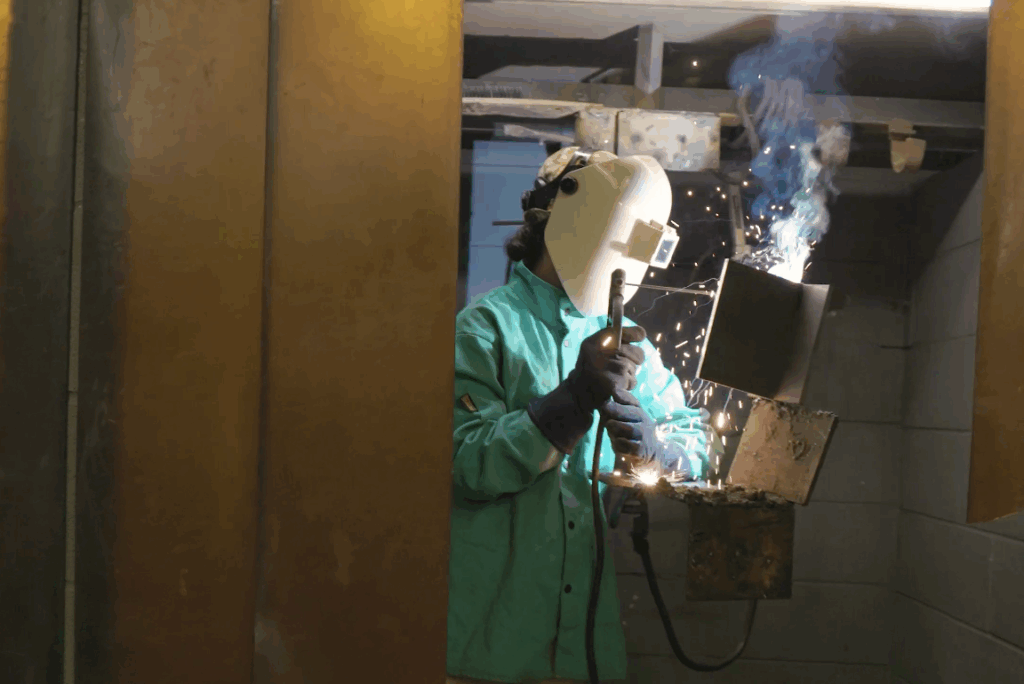
Located in Clarke County, the city of Thomasville has made workforce development a long-term priority—one that begins well before high school graduation. Nearly two decades ago, the city became one of the first communities in Alabama to fully embrace dual enrollment at the high school level, creating a model that has since been shared statewide.
Mayor Sheldon Day, an ALM board member, says the program’s success came from collaboration. “As we developed it, we found out that partnerships are critical,” Day said. “We worked closely with our local community college, the Alabama State Board of Education, our superintendent and accreditation groups to build something that could really serve our students.”
The dual enrollment program allows students to begin technical and academic college coursework while still in high school, helping them prepare for careers in manufacturing and other industries in the region. “It’s extremely important for us to develop our workforce,” Day said. “If we have more opportunities locally, students can get a jumpstart on technical training, finish their degrees faster and stay right here in Alabama.”
(GinnyGray/SoulGrown)
When the program first launched, some parents were hesitant about technical education. Over time, perceptions changed as families saw the academic and career benefits. Today, about 30% of Thomasville High School students are enrolled in the dual enrollment program, and participation continues to grow across the area.
For Day, the Live Locally Alabama campaign reflects how Thomasville approaches growth and engagement. “Living locally starts at the local level,” he said. “The state and federal levels are there to support us, but it’s really about what you want for your community—how you want it to grow and how you want to support your families, schools and businesses.”
Community involvement is central to that vision. “The city isn’t just the buildings—it’s the people,” Day said. “Part of living locally is getting involved. We need everyone plugging in, sharing ideas and willing to play a role. That’s how we make our community great.”
Stay and Explore the Riverfront in Selma
With deep historical roots and a renewed focus on revitalization, Selma continues to invest in projects that invite both residents and visitors to experience its downtown and riverfront.
City Councilmember Jannie Thomas says recent riverfront development and community programming have helped bring new energy to the city. “I’m extremely proud of our downtown riverfront projects and the concert series,” she said. “We want people to stay and play in Selma.”
That vision is advancing through a multi-phase, $4.5 million riverfront development project led by the city of Selma. The initiative is focused on expanding public access to the Alabama River while laying the groundwork for long-term economic growth, recreation and tourism in the historic downtown corridor.

(GinnyGray/SoulGrown)
The city recently began phase one of the Riverfront Boardwalk Project, supported in part by an $800,000 Transportation Alternatives Program grant through the Alabama Department of Transportation. This phase includes construction of a boardwalk and a new boat ramp, improving pedestrian connectivity and allowing residents and visitors to safely engage with the river near the Edmund Pettus Bridge.
Before construction could move forward, the city spent years addressing foundational challenges, including riverbank stabilization in partnership with the U.S. Army Corps of Engineers. Those behind-the-scenes efforts resolved erosion issues that had long delayed progress and made the current phase possible.
City officials say the boardwalk represents only the beginning. Future phases outlined in the city’s plans include expanded green space, improved lighting, gathering areas and additional recreational amenities designed to draw people downtown and strengthen connections between the riverfront, historic landmarks and local businesses.
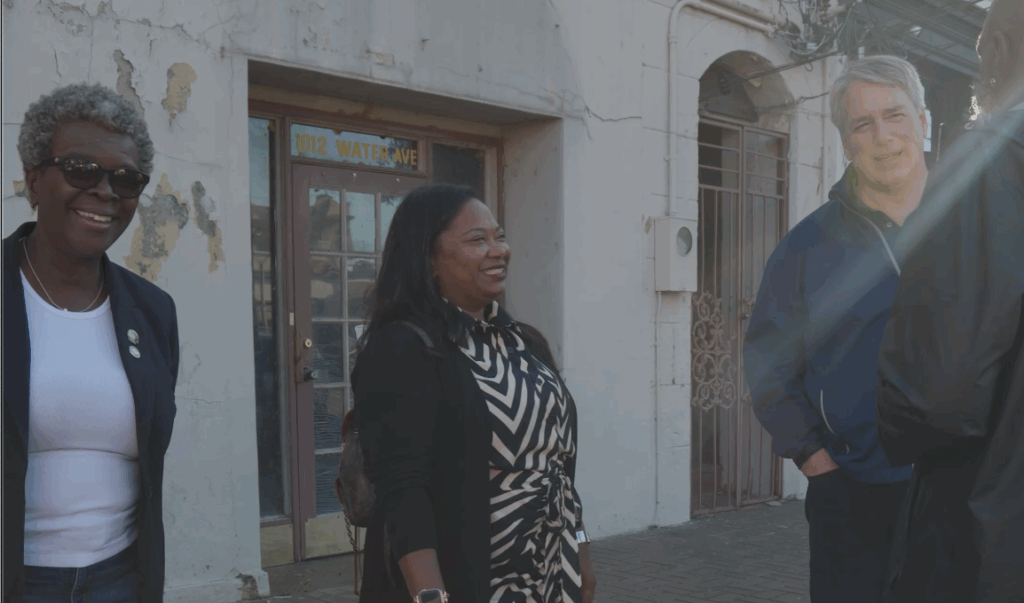
Thomas notes that revitalization efforts are strongest when they extend beyond infrastructure. Downtown businesses help complete the riverfront experience, she says, pointing to Reflections Coffee Shoppe as a welcoming stop for visitors exploring Selma. “You always feel welcome when you come to Selma,” she said.
(GinnyGray/SoulGrown)
She adds that sustaining momentum requires continued community engagement. Through attending council meetings, participating in cleanups and staying connected through city communication channels, residents play an active role in shaping the riverfront’s future and ensuring it remains a shared civic space rooted in Selma’s pride and progress.
Grow Strategically Along Interstate 22 in Guin
Located along the I-22 corridor, the city of Guin has focused on strategic development that supports travelers while generating long-term benefits for residents.
Former Mayor Phil Segraves, who served as ALM’s president in 2016, points to the city’s full-service Holiday Inn as one of the projects he is most proud of. “It gave Guin a presence on I-22,” Segraves said. “We can now provide lodging and meals for people traveling through the area, and it was truly a team effort with many people involved, from the city council to federal grant partners.”

(GinnyGray/SoulGrown)
The hotel has earned national recognition, receiving the only IHG award in the nation based on guest votes. Revenue from the property helps fund city services, and the project has become a source of pride for the community.
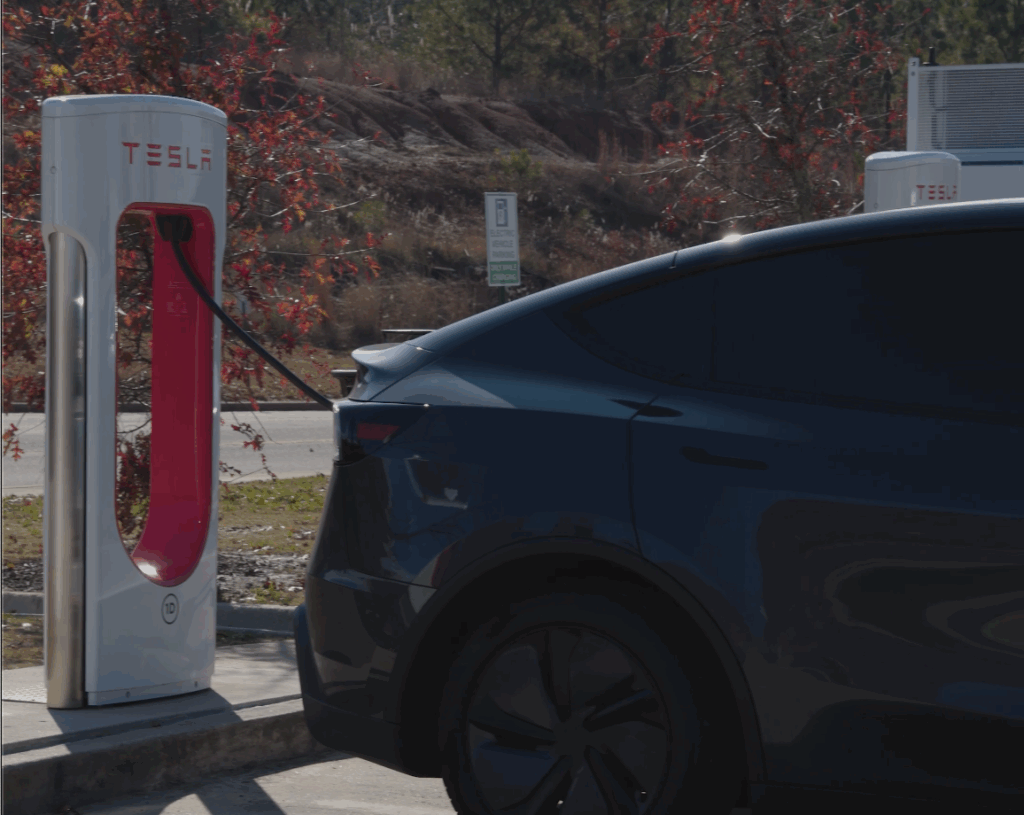
Another milestone for Guin is the addition of a Tesla charging station at the Holiday Inn, making it the only one located along I-22. Segraves says the project has helped set the city apart and demonstrates the value of thinking ahead. “We’re proud to have Tesla as part of our family and to offer a service that benefits both travelers and our local economy,” he said.
(GinnyGray/SoulGrown)
For Segraves, the Live Locally Alabama campaign reinforces the importance of supporting hometown investment. “When you buy local, you’re pouring back into your own community,” he said. “My vision has always been for people to be proud of their city, and projects like the hotel are part of that vision.”
Thomasville, Selma and Guin demonstrate that communities thrive when residents, elected leaders and partners work together. While local governments can build programs, projects and amenities, it is citizen involvement that gives them meaning and momentum.
Through the Live Locally Alabama campaign, these west Alabama communities show that living locally means more than where you live—it means participating, supporting local businesses and helping shape the future of your hometown.
For more information on the ALM Live Locally Alabama campaign, including municipal and citizen resources, visit almonline.org/LiveLocallyAlabama.