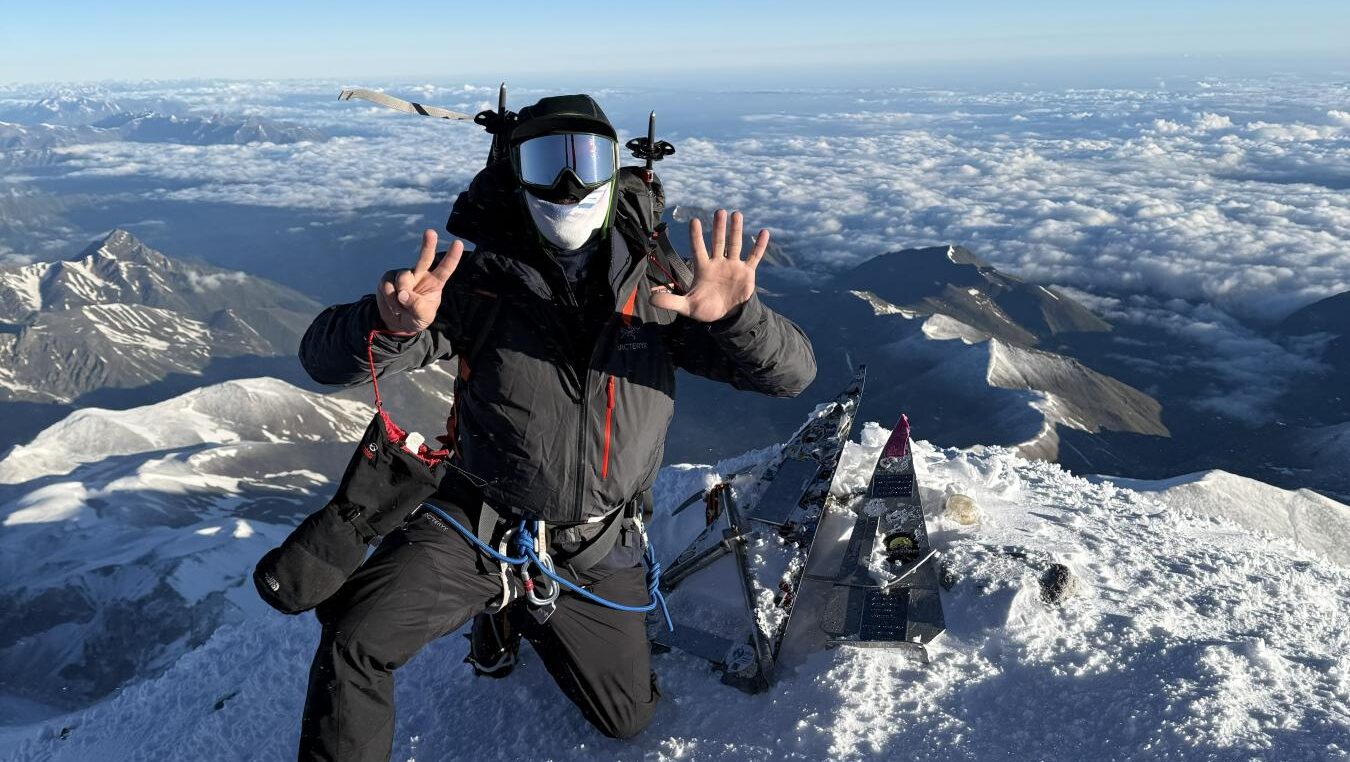
Atop the blustery, 18,510-foot summit of Mount Elbrus in Russia, Jasper Mayor Josh Gates posed for a photo with seven fingers up–the final summit in his pursuit of the Seven Summits.
Prior to becoming the 20th mayor of Jasper, Alabama, Gates served in the U.S. Army as an Airborne Ranger with the 3rd Battalion, 75th Ranger Regiment. After a career demanding such physical and mental toughness, Gates said he was searching for something to challenge him in a similar way–leading him to mountaineering.
“Climbing became that outlet. I was drawn to the physical demands, but just as much to the problem-solving,” he said. “Every mountain presents a different set of challenges, and success depends on preparation, discipline, and making good decisions when conditions change. I found that process rewarding, and it became something I wanted to keep pursuing.”
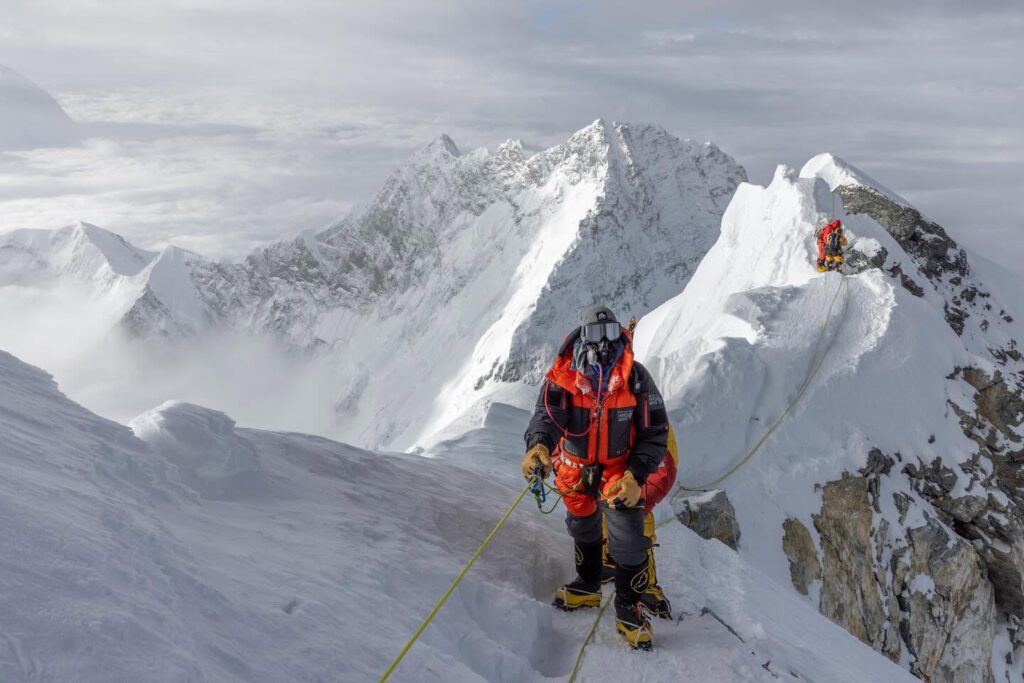
Mountaineering is one thing; completing the Seven Summits is a different beast. The challenge is notorious for a reason. Less than 500 people in the world have achieved it. Completion means summiting the highest peak on each continent, spanning Mount Carstensz, Mount Vinson, Mount Elbrus, Mount Kilimanjaro, Denali, Aconcagua, and possibly the most-famed, Mount Everest.
(Josh Gates/Facebook)
Seven Continents, Seven Different Fights
Mountaineering is an uphill battle–literally. Serious preparation goes into climbs before stepping onto base camp. Cardiovascular, physical strength and mental preparation all begin months before, but nothing can prepare you for variables out of your control.No two summits on the list test a climber the same way–and that variety is part of what makes the challenge so rare.
Mount Carstensz, buried deep in the Indonesian rainforest, isn’t just a hike to the top—climbers face genuine rock-climbing terrain and rappelling through some of the most remote jungle on Earth, on a mountain so hard to access that permits alone have turned back plenty of would-be finishers.
Mount Vinson sits at the bottom of the world in Antarctica, where the isolation is so extreme that simply getting there is often the hardest part of the climb; there’s no calling for backup once you’re on the ice.
Kilimanjaro is the gentlest of the seven, a non-technical trek with no ropes required, but its danger hides in plain sight: the elevation climbs fast enough to bring on serious altitude sickness in climbers who underestimate it.
Denali, tucked deep in the Alaskan wilderness, is widely considered the most physically brutal of the seven—climbers haul their own gear and sleds for miles across sub-arctic glacier terrain, in conditions that can turn violent with almost no warning.
Aconcagua, the tallest peak outside of Asia, doesn’t require technical climbing skill so much as it requires will—the mountain is infamous for winds strong enough to end a summit push in minutes, regardless of how prepared you are.
And then there’s Everest—the mountain that needs no introduction. At 29,032 feet, it demands everything the other six do combined: technical skill, brutal cold, extreme altitude and years of accumulated experience, all layered with the highest stakes of the entire challenge. Each mountain asks something different of the climber–different gear, different acclimatization, different risks. Gates trained for years to be ready for all seven, and he summited Everest in 2024, becoming just the third Alabamian to ever do so.
“People often ask about Everest because it’s the climb everyone recognizes,” Gates said. “The reality is that the summit is only one small part of the process. Preparing for Everest meant years of progressively more difficult climbs, developing technical skills, and gaining the experience needed to make good decisions in a very unforgiving environment. When I reached the summit in 2024, it was rewarding because of everything that had gone into getting there. It reinforced the idea that worthwhile accomplishments are almost always earned long before anyone sees the final result.”
When Things Don’t Go As Planned
Gates said in every expedition, there have been moments where things don’t go as planned. Weather changes, fatigue sets in and conditions are more difficult than first expected. He says this is where the little things matter more, decisions carry more weight.
“You rely on the preparation that got you there, trust the people climbing beside you, and stay focused on making good decisions one step at a time.”
Gates said that mindset is applicable to any aspect of his life. As well as being mayor, he is the co-founder of Saturday Down South, a sports media brand covering primarily college football. Whether he’s navigating a council meeting or a whiteout on a mountainside, Gates said the same principles apply: prepare thoroughly, trust the people around you, and don’t let a bad moment derail the bigger goal.
A Family Behind Every Summit
Gates bragged on his wife and kids supporting him through his journey, saying he couldn’t do any of this without them.
“None of this would have been possible without my family. Talia has always been incredibly supportive, and we’ve always tried to support one another’s goals and passions. Our boys have grown up knowing that these climbs are important to me, and I’ve always hoped they’ve seen that pursuing difficult goals requires commitment, preparation, and perseverance. Having that support at home has made every expedition possible,” he said.
Never miss a story. Subscribe to our newsletter and get the best of Alabama delivered to your inbox every Friday.