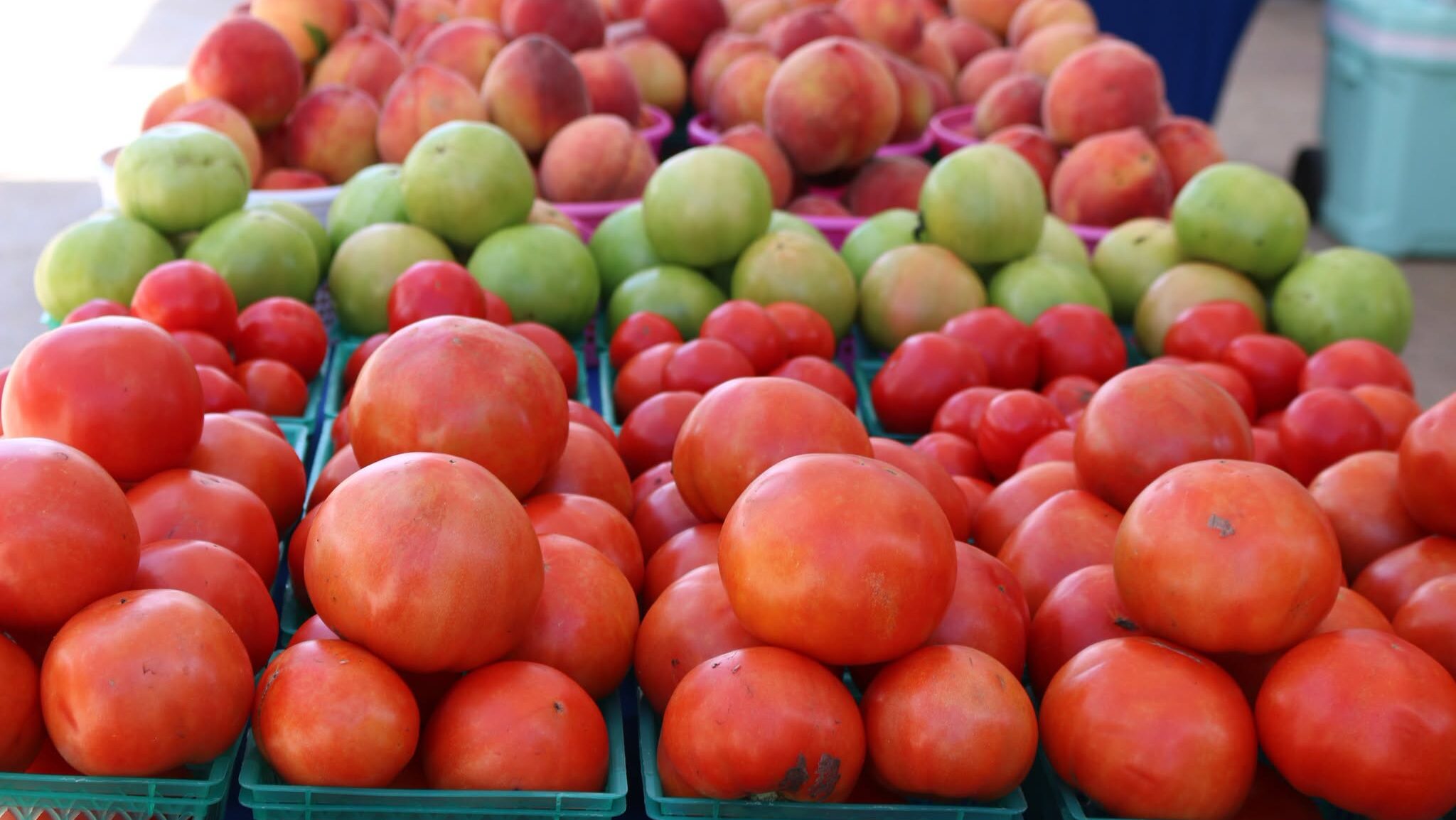
Summer has arrived in Alabama, and with it comes one of the best reasons to shop local: peak produce season. Across the state, farmers are harvesting everything from tomatoes and sweet corn to peaches, blueberries, watermelon, and okra.
Whether you’re planning meals around the farmers market or simply looking to eat more seasonally, here’s a guide to some of Alabama’s freshest summer crops and the nutritional benefits they bring to the table.
The Ultimate Summer Lineup
Tomatoes
(Pepper Place Farmer’s Market/Facebook)
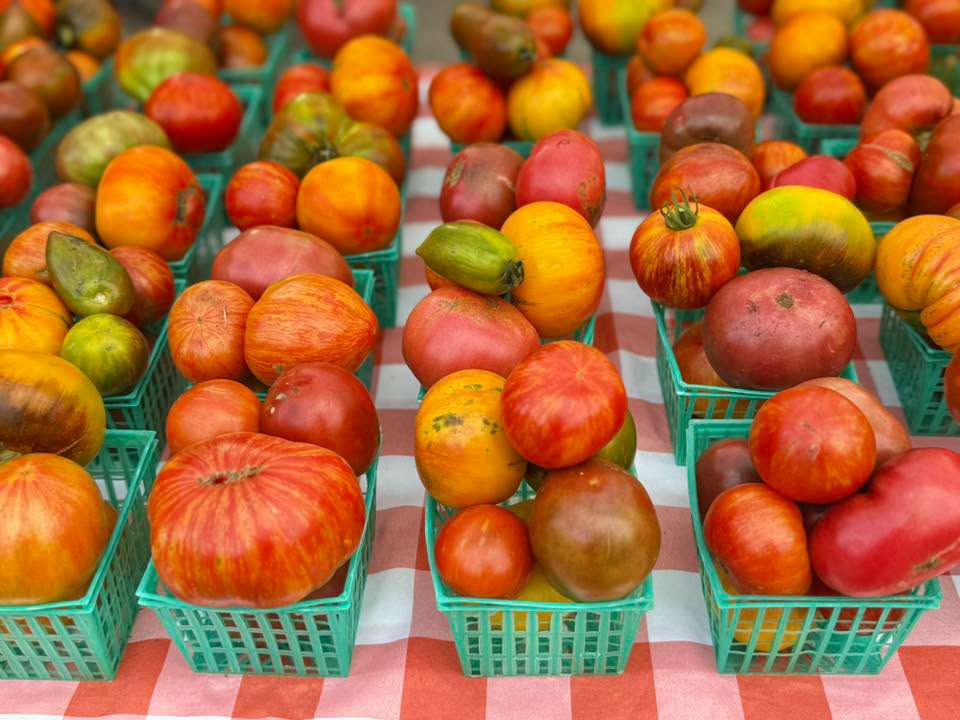
Nothing signals an Alabama summer quite like a thick slice of a homegrown tomato. From the historic fields of Slocomb to backyard gardens across the Tennessee Valley, nothing says summer vacation like a juicy Alabama tomato.
For many Alabama farmers, the summer tomato is a deeply sensory experience tied directly to the ruggedness of the season.
“Southern summers are rough. There’s the humidity. The mosquitoes. Did we mention the humidity? But there’s one thing that makes Southern summers worthwhile: Tomato sandwiches… You love the deep yellow in the yolk of your eggs, the cherry red of a warm tomato on the vine,” said Farmer Sara of EAT South in Montgomery.
Key Nutrients & Health Benefits: Tomatoes are famous for their high concentration of lycopene, a powerful antioxidant.
Where to Find It: Look for heirloom varieties, beefsteaks, and sweet cherry tomatoes at your local county farmers market, such as Pepper Place Farmer’s Market on Saturdays.
Watermelon
(Pepper Place Farmer’s Market/Facebook)
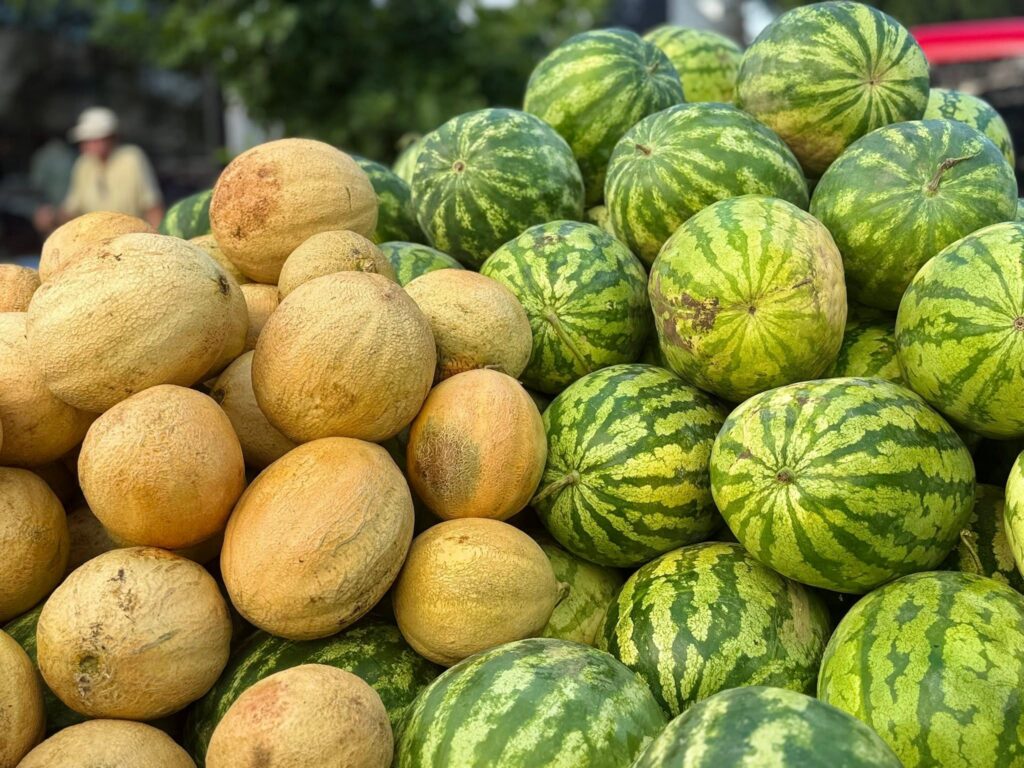
It’s hard to picture a backyard barbecue without a delicious Alabama watermelon. The fruit thrives in the sandy loam soils of South Alabama, particularly around areas like Grand Bay, which is famous for its sweet melons.
“These popular summer fruits are excellent sources of potassium, plus vitamins C and A. Due to their high water content, both watermelon and cantaloupe can help you meet your nutrition and hydration needs,” said Alissa Palladino of Alissa Palladino Nutrition.
Key Nutrients & Health Benefits: Watermelon is 92% water, making it a refreshing, low-calorie way to stay hydrated during Alabama’s hottest months. It provides vitamin C, vitamin A, potassium, magnesium, lycopene, and citrulline—nutrients that support heart health, healthy blood flow, digestion, and skin and eye health while offering antioxidant protection.
Where to Find It: Look for roadside trucks with beds piled high, or local farm stands off major state highways.
Blueberries
(Pepper Place Farmer’s Market/Facebook)
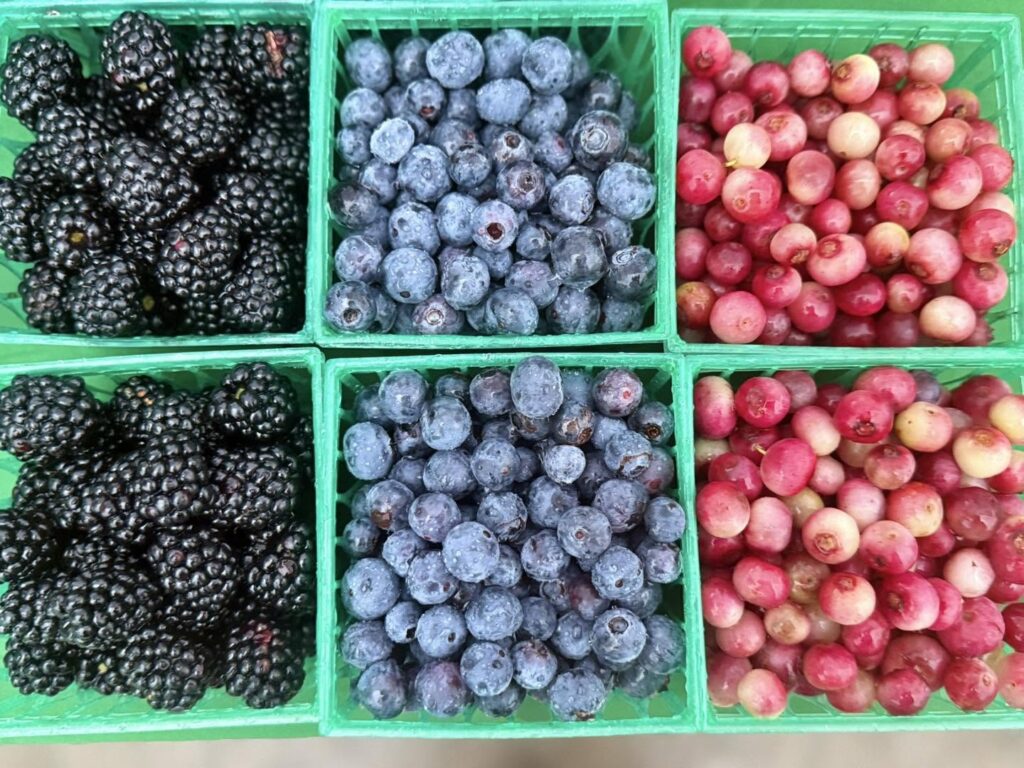
Alabama’s blueberry season hits its stride in June and July. This native crop handles the Southern climate beautifully, offering a sweet-tart pop of flavor.
“Berries, especially blueberries, are considered among the most nutritious fruits available. In addition to dietary fiber and a host of vitamins and minerals, they are high in a class of antioxidants called anthocyanins, which help reduce oxidative damage, promote recovery, decrease cancer risk and optimize health,” said Alissa Palladino of Alissa Palladino Nutrition.
Key Nutrients & Health Benefits: Blueberries are packed with antioxidants, fiber, vitamin C, vitamin K, and manganese. Their high levels of anthocyanins help combat inflammation and oxidative stress while supporting heart health, brain function, blood sugar regulation, and gut health.
Where to Find It: Blueberries are highly popular at U-Pick farms across the state, from Cullman down to Baldwin County, offering a perfect summer family activity.
Peaches
(Sweet Grown AL/Facebook)
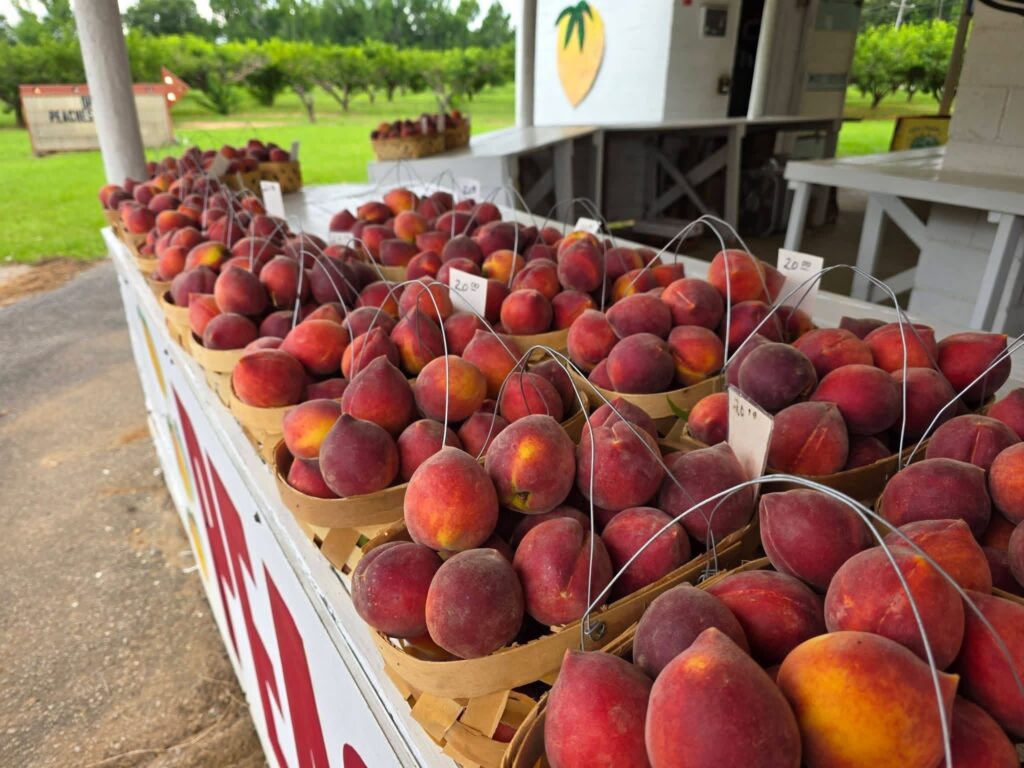
While Georgia can often hog the spotlight, Alabama peaches—particularly those grown in the nutrient-dense soil of Chilton County—cannot be ignored. They are legendary for their exceptional sweetness and juiciness.
Because Alabama’s humidity is so thick, growing perfect fruit is an intense balancing act of timing and weather.
“Mid-July we’re just slap run over with peaches… We try to let our peaches get as ripe as possible because we think it makes a difference in taste… I always tell people if we lived in California, we would be able to grow organically. But here there’s way too much humidity and obviously, rain,’ said David Reeves of Reeves Farm in Hartselle.
Key Nutrients & Health Benefits: Peaches are a low-calorie source of fiber, vitamin C, vitamin A, potassium, and antioxidants. These nutrients support immune function, digestion, heart health, skin health, and eye health while helping keep you hydrated.
Where to Find It: Look for specialty peach stands throughout central Alabama, or check for them at urban markets in Huntsville, Birmingham, and Mobile.
Sweet Corn
(Pepper Place Farmer’s Market/Facebook)
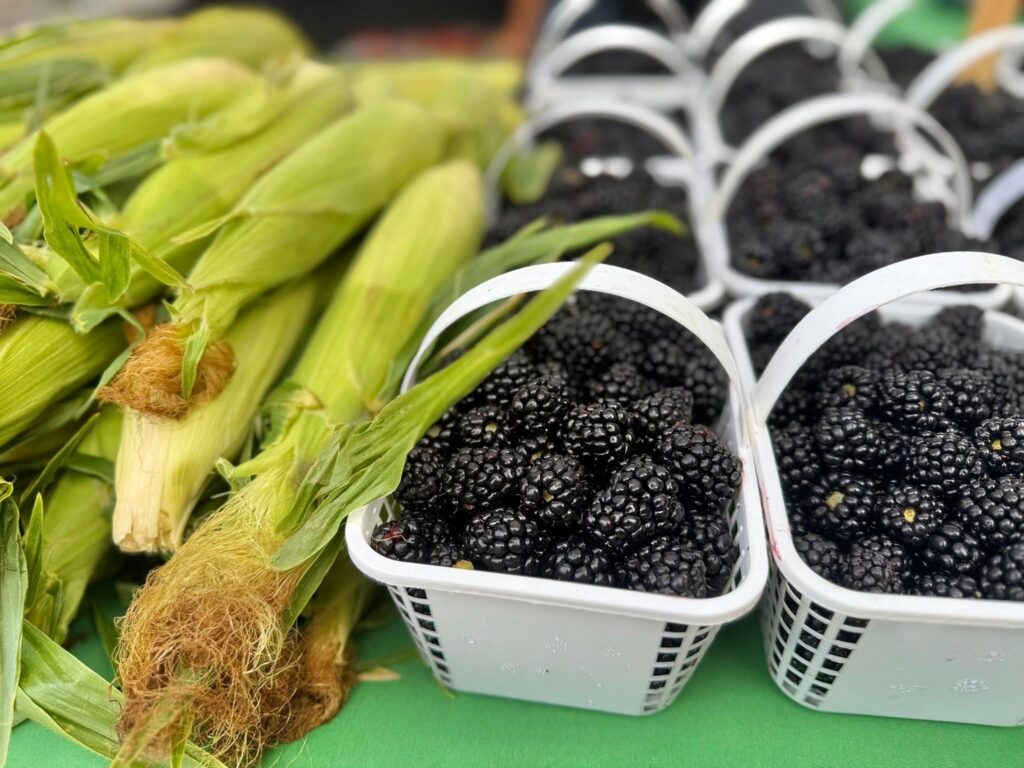
Few things beat the crunch of fresh sweet corn, a staple of Alabama agriculture that transitions beautifully from the field to the dinner table.
“Corn gets a bad rap, but it’s an excellent source of complex carbs, essential fuel for runners and other endurance athletes. It also contains dietary fiber, plant protein, and a variety of vitamins and minerals that are involved in energy production, blood pressure regulation, cell growth, bone health and more,” said Alissa Palladino of Alissa Palladino Nutrition.
Key Nutrients & Health Benefits: Sweet corn provides fiber, B vitamins (including folate and B6), potassium, and antioxidants like lutein and zeaxanthin. It supports eye health, digestion, heart health, and provides steady energy.
Where to Find It: Pick up ears at local morning markets; buy them with the husks still intact to preserve moisture.
Cucumbers
(Pexels)
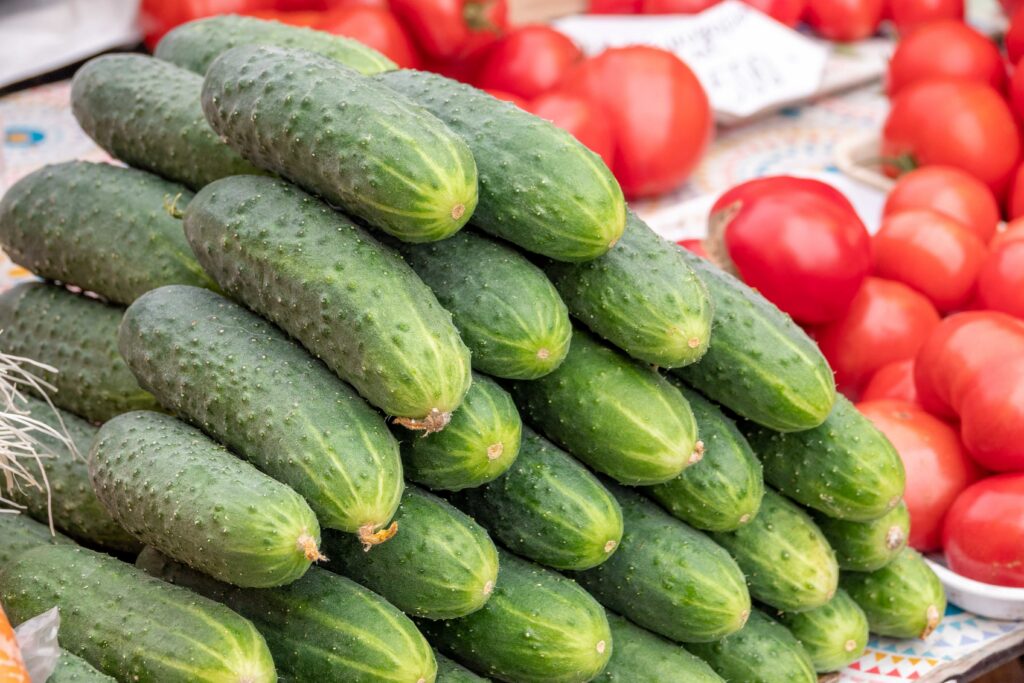
Crisp and cooling, cucumbers are a highly productive summer crop across the state, offering a refreshing contrast to some of the more heavy summer dishes.
“Due to the high water content, cucumbers fill you up with very few calories and are a great way to add to your daily hydration, which is especially important when running in the summer heat. They also contain fiber and potassium,” said Alissa Palladino of Alissa Palladino Nutrition.
Key Nutrients & Health Benefits: Cucumbers are 96% water and very low in calories, making them ideal for hydration and light summer eating. They provide vitamin K, vitamin C, potassium, magnesium, fiber, and antioxidants that support bone health, digestion, heart health, and hydration.
Where to Find It: Readily available at almost every farm stand and neighborhood market in Alabama throughout the summer months.
Okra
(Pepper Place Farmer’s Market/Facebook)
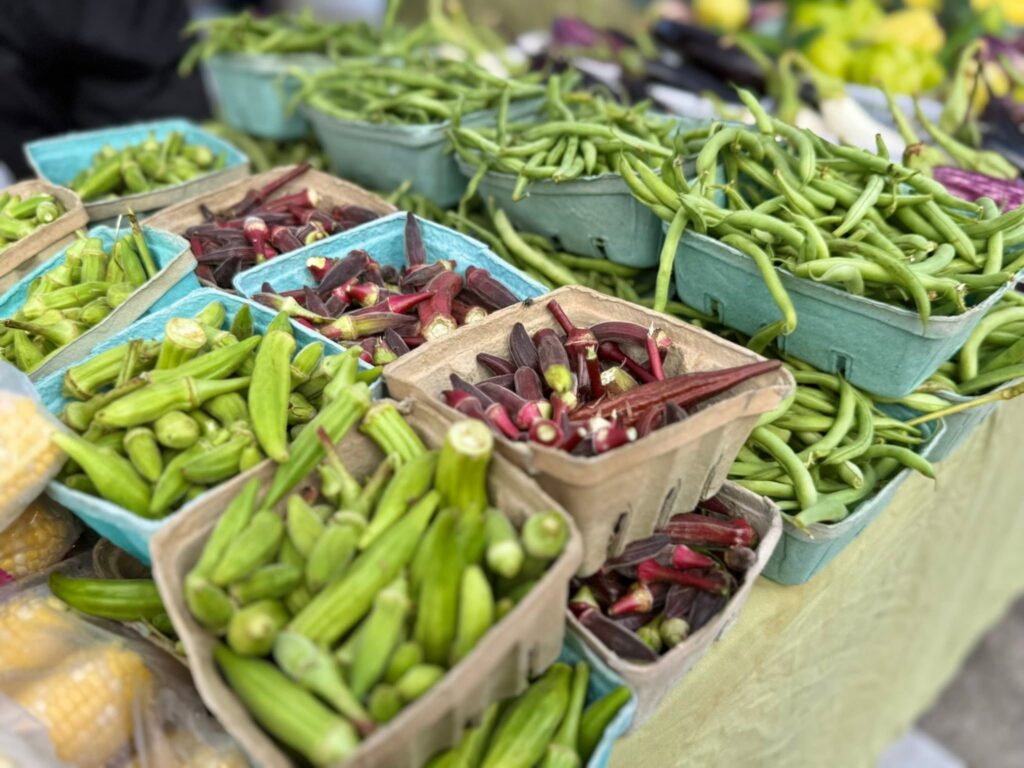
A true icon of Southern cooking, okra loves the intense Alabama heat. When other plants begin to wither under the midsummer sun, okra thrives and produces abundantly.
“The fiber content in okra can help with blood sugar control by slowing down the absorption of sugar and carbs. Pectin is a gel-like prebiotic fiber, which means it feeds the good bacteria in your gut. A happy microbiome means less inflammation and bloating.” said Zawahri Krasuna, RD, LD of the Cleveland Clinic Health.
Key Nutrients & Health Benefits: Okra is a nutrient-rich vegetable known for its mucilaginous texture. A serving delivers low calories with about 3 grams of fiber, vitamin C (26% DV), vitamin K (26% DV), folate (15% DV), magnesium, and polyphenols. Its fiber and mucilage support digestive regularity and gut health, while the overall nutrient mix aids blood sugar management, heart health, bone strength, immune function, and antioxidant protection against chronic conditions.
Summer Squash and Zucchini
(Pepper Place Farmer’s Market/Facebook)
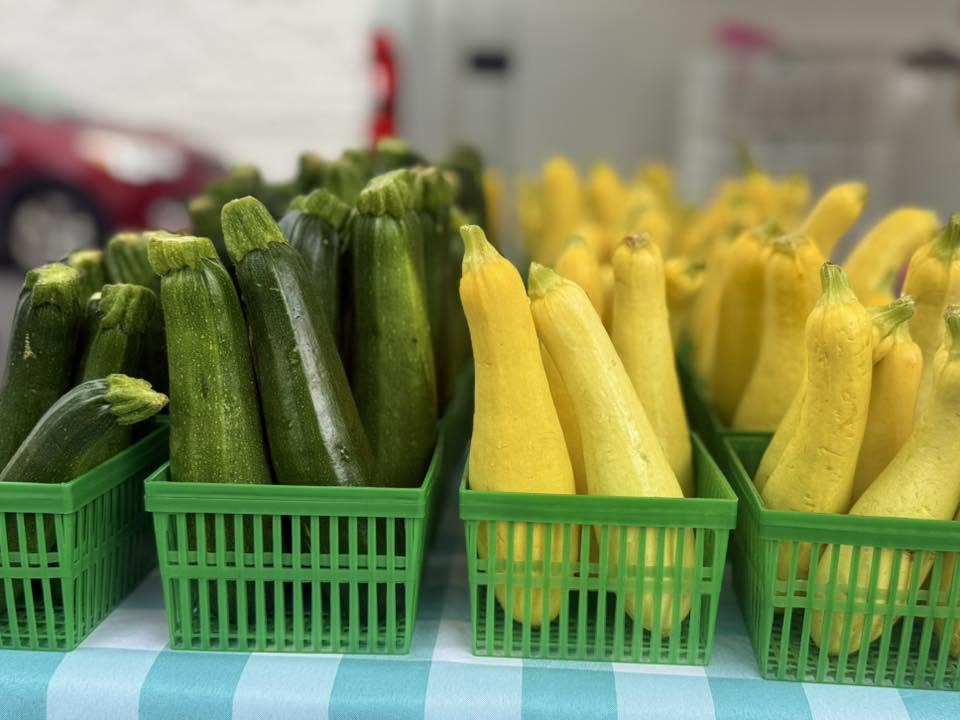
Whether yellow crookneck, straightneck, or deep green zucchini, summer squash varieties are highly versatile staples of the Alabama harvest.
“Both summer squash and zucchini are high in vitamin C, an antioxidant that supports the immune system, enhances the absorption of plant-based iron, and is involved in collagen synthesis needed for healthy skin, hair and nails. They also provide dietary fiber, which helps regulate cholesterol and blood sugar levels, promotes bowel regularity, and keeps us feeling full. Additionally, both are good sources of potassium, a key electrolyte essential for heart and muscle contraction that is lost in sweat, and which runners must replenish, especially during the hot summer months,” said Alissa Palladino of Alissa Palladino Nutrition.
Key Nutrients & Health Benefits: Summer squash, including zucchini, is a mild, versatile vegetable that is low in calories (about 20–27 per cup) and high in water content. It provides fiber (around 2 grams), vitamin C (26% DV), vitamin A (11% DV), manganese, potassium, magnesium, and antioxidants like lutein and zeaxanthin. These elements promote digestion, weight management, eye health, heart and blood sugar support, skin and immune function, and overall antioxidant benefits when the skin is consumed
Where to Find Alabama-Grown Produce
Eating fresh and supporting our state’s agricultural community is incredibly straightforward. Alabama offers several ways to connect directly with the people who grow your food.
- Local Farmers Markets & Farm Stands: Most counties host at least one weekly farmers market where you can buy directly from growers. Many participate in the Senior Farmers Market Nutrition Program (SFMNP) and WIC programs, accepting benefit cards to make fresh food accessible to everyone.
- U-Pick Farms: For a hands-on experience, visit a U-Pick farm. It’s an excellent way to see exactly where your food comes from while spending time outdoors with family.
- The Sweet Grown Alabama Farm Finder: The absolute best tool at your disposal is the Sweet Grown Alabama Farm Finder. By visiting their website, you can enter your zip code and instantly search for specific produce, finding farmers markets, stores, and individual farms right in your backyard that proudly sell certified Alabama-grown products.
Choosing local produce also keeps your food dollars right here at home. Supporting Alabama’s hardworking agricultural community ensures the state’s family farms can thrive for generations to come.
This Health & Wellness story is brought to you in partnership with Blue Cross Blue Shield of Alabama, supporting healthier communities across our state.