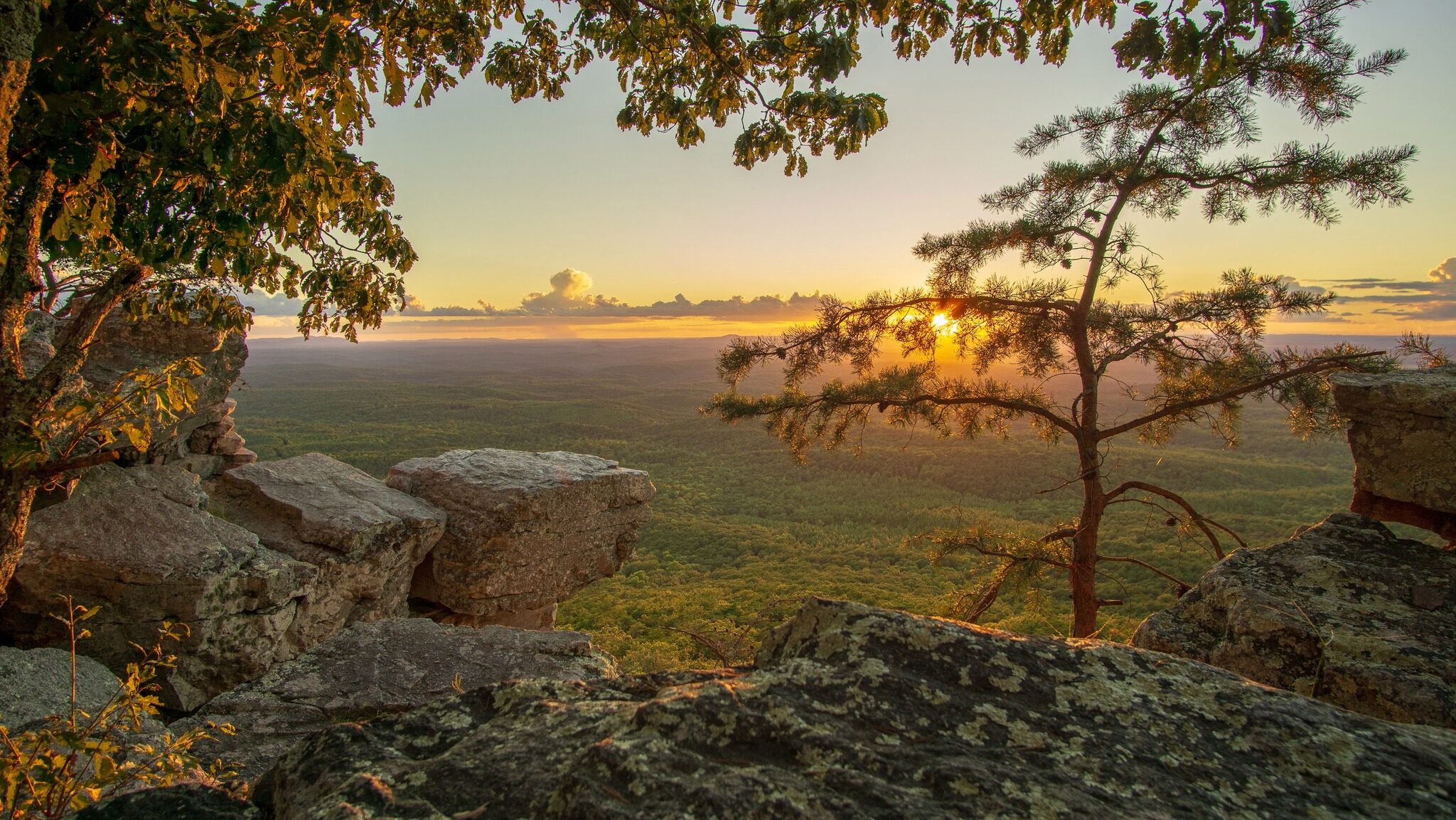
One of the most underrated aspects of Alabama is the state’s remarkable capacity for ecotourism. Ranking fourth in the nation for biodiversity — and first among states east of the Mississippi River — Alabama encompasses an extraordinary range of ecosystems. Forests, woodlands, prairies, glades, rivers, and even marine habitats shape the landscape. From caving and hiking to hunting, fishing, and whitewater rafting, nearly every outdoor pursuit (short of snow sports) is possible here. Consider this a brief tour of a personal Alabama nature bucket list.
Cheaha State Park
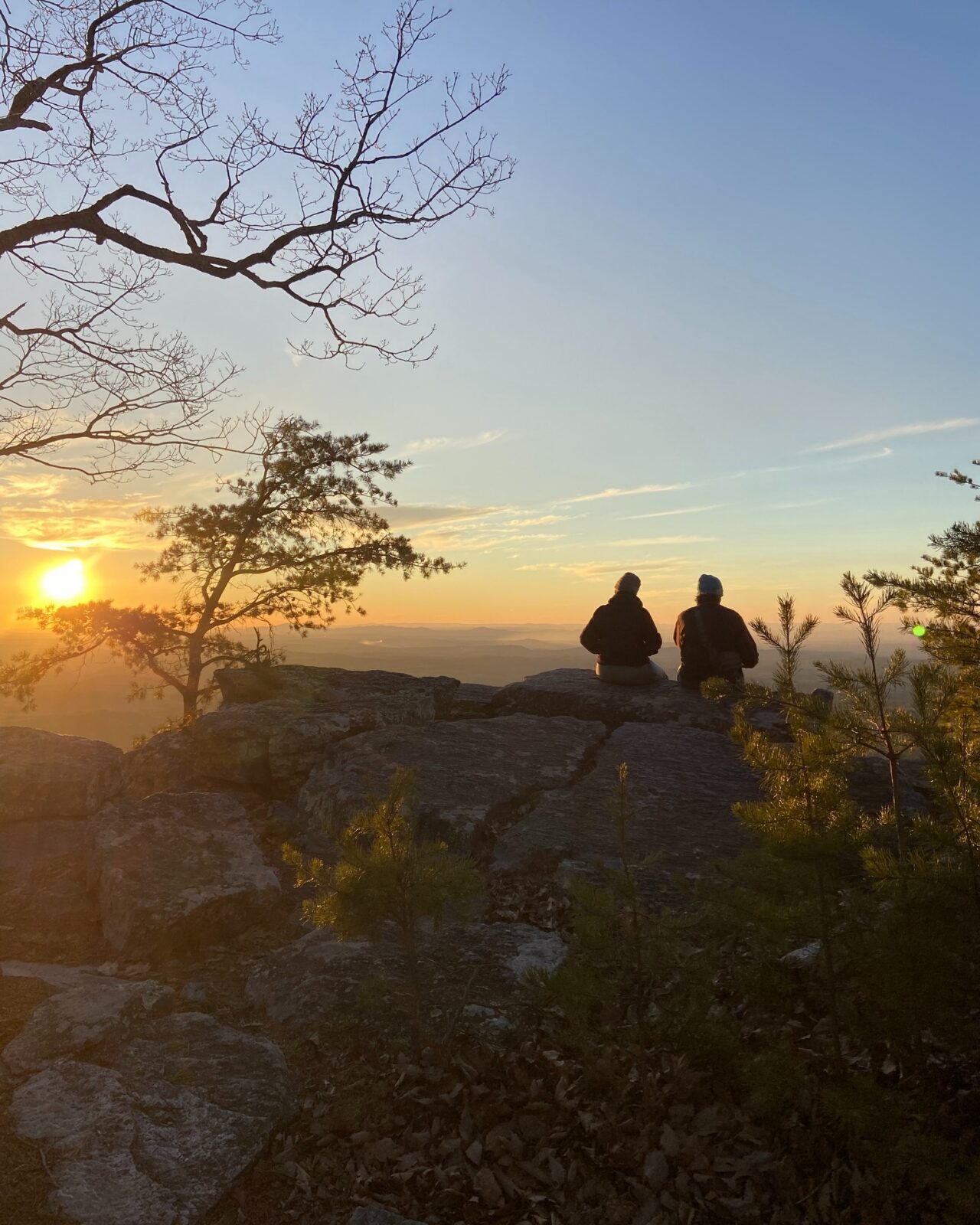
(Cheaha State Park/Facebook)
Located at the southernmost edge of the Appalachian Mountains, Cheaha State Park is home to Mount Cheaha, the highest point in Alabama. A hike to the summit rewards visitors with sweeping views of the Talladega National Forest, where ridgelines stretch for miles and clouds sometimes drift below the overlook. It’s one of the most dramatic vantage points in the state.
Dismals Canyon
Dismals Canyon offers one of Alabama’s most unique natural experiences. Known for its bioluminescent “Dismalites” — glowworm larvae that illuminate the canyon walls — the park hosts guided night tours in the spring and fall. During the day, visitors can explore a rare tract of old-growth forest, complete with moss-covered rock formations, waterfalls, and shaded trails. Reservations for night tours are recommended, especially during peak months.
Wetumpka Impact Crater
For those drawn to geology, the Wetumpka Impact Crater Discovery & Visitors Center provides a glimpse into ancient history. Formed millions of years ago when a meteor struck what was then a shallow sea, the site remains one of the best-preserved marine impact craters in the United States. Though erosion has softened its appearance, the structure is still visible, offering a fascinating stop for anyone interested in Earth’s deep past.
Neversink Pit
Near Fackler in Jackson County, Neversink Pit is a dramatic limestone sinkhole plunging roughly 160 feet into the earth. Waterfalls cascade down its fern-covered walls, creating an almost otherworldly scene. Experienced vertical cavers can descend into the pit, while hikers with a permit can walk to the overlook and peer down into its depths. North Alabama is home to hundreds of caves and sinkholes, making it a destination for serious spelunkers.
Splinter Hill Bog Preserve
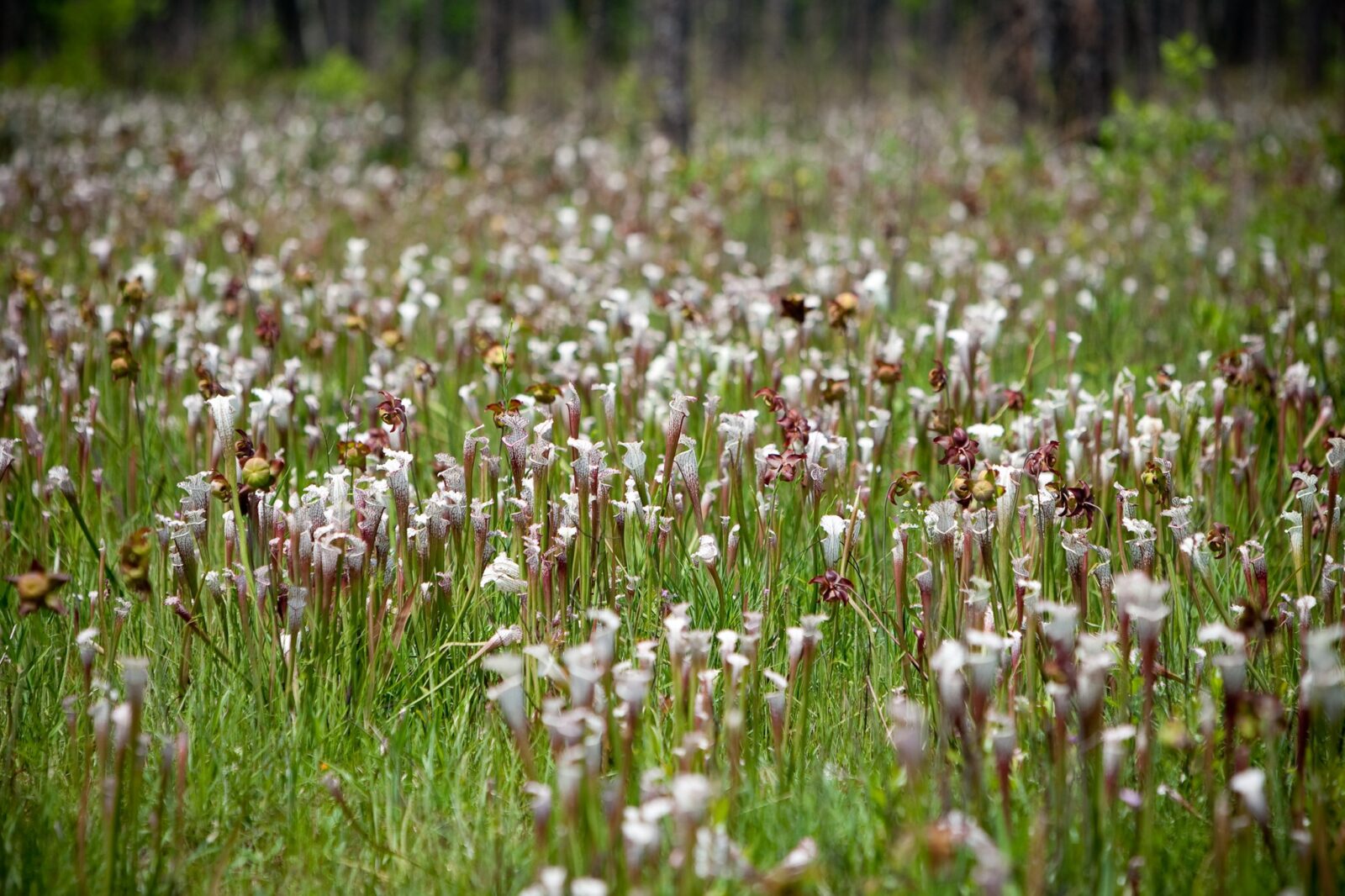
(Outdoor Alabama/Facebook)
Splinter Hill Bog Preserve protects one of the last remaining pitcher plant bogs in the world. The preserve is home to a dozen species of carnivorous plants, along with wildlife such as bald eagles and gopher tortoises. Open for day use, the trails provide a rare opportunity to witness a fragile ecosystem that exists in few places elsewhere.
Dauphin Island
Along Alabama’s Gulf Coast, Dauphin Island offers white sand beaches and gentler crowds than many neighboring destinations. The same warm Gulf waters and coastal ecosystems extend across state lines, but here they feel quieter and less hurried. It’s an ideal place to enjoy the shoreline without the bustle of larger beach cities.
Botanical Gardens Across the State
For a more curated outdoor experience, Alabama’s botanical gardens provide beautifully maintained spaces that celebrate the state’s plant life. Cities such as Birmingham, Huntsville, Dothan, and Mobile each offer gardens that combine education, conservation, and seasonal beauty. Whether you’re interested in native species or ornamental blooms, these spaces highlight another dimension of Alabama’s natural richness.
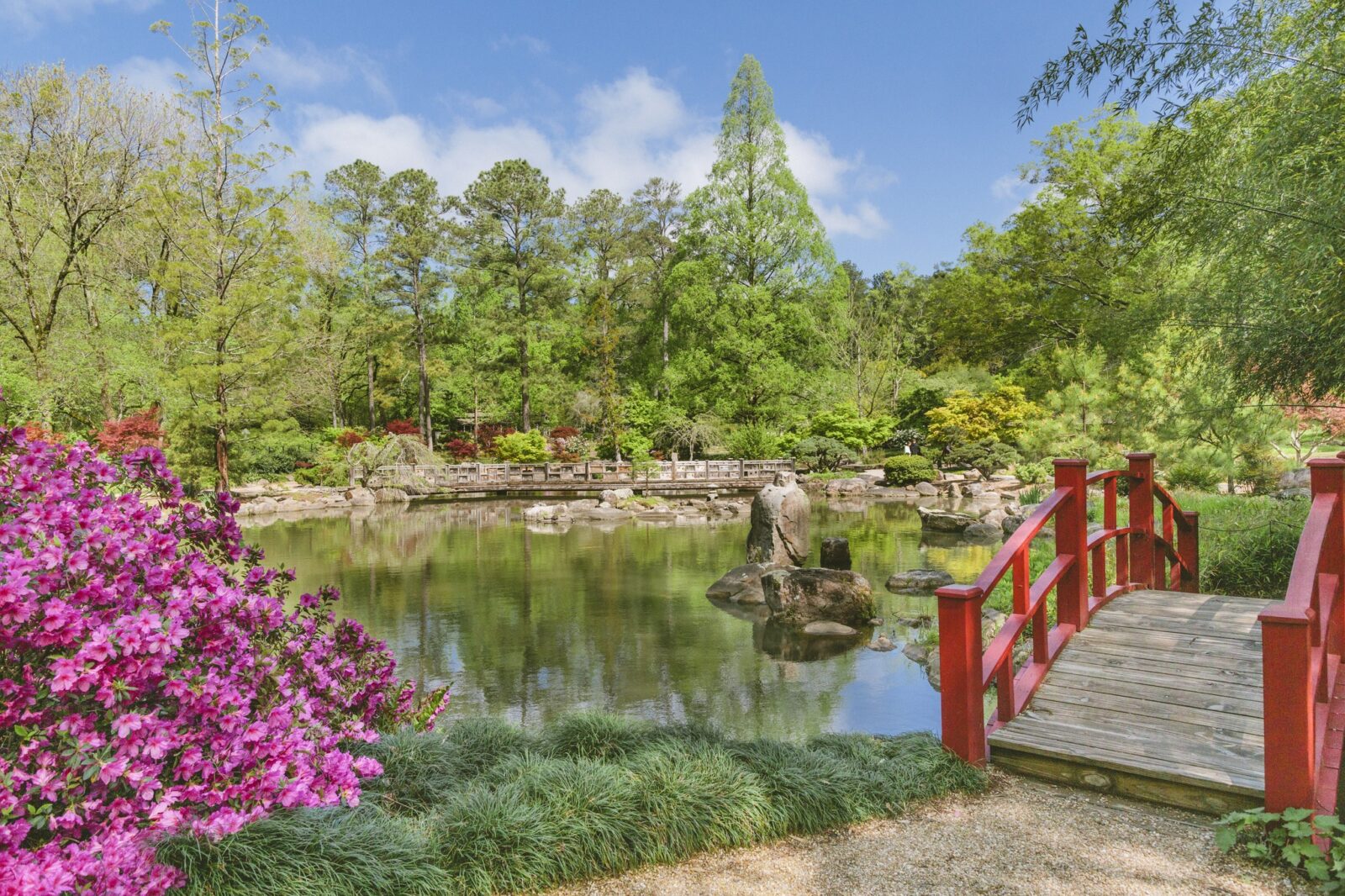
(Birmingham Botanical Gardens/Facebook)
Want more stories like this? Join our newsletter for more stories rooted in Alabama, delivered to your inbox every Friday.