As a student of language, I love learning the “untranslatable” words when I travel. These are words that don’t have direct correlation with a word in English, and to me, they are the most special–because they reveal an aspect of the culture that almost feels like a secret.
And as I grew restless in my seat on the 13 hour plane ride to Tokyo, I scrolled through a list of some of these words in Japanese. One stood out to me – komorebi, which roughly translates to “sunlight filtering through trees.”
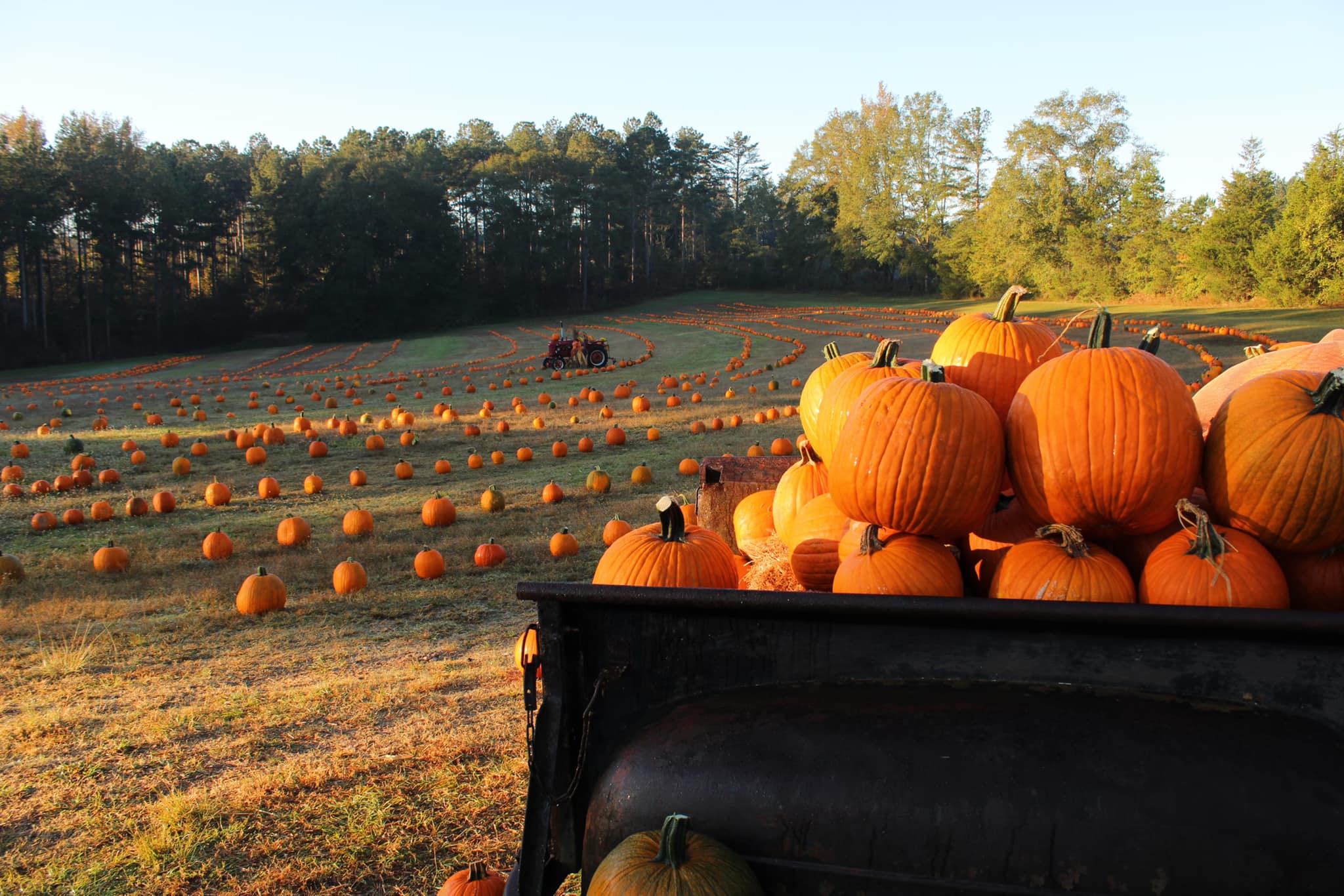
The word stopped me in my tracks. Here I was, on my way to a metropolis of 14 million people, and yet my mind immediately flashed to walking through the Alabama woods with my sons. It was early fall, and the first fallen leaves crunched under our feet. The boys were focused on the ground – finding rocks for their collection, bugs that wriggled and squirmed, or a piece of soft moss. But me, my neck was craned upward, and every few steps I’d tilt my head back again, to witness how the light had changed in mere seconds, through the branches above.
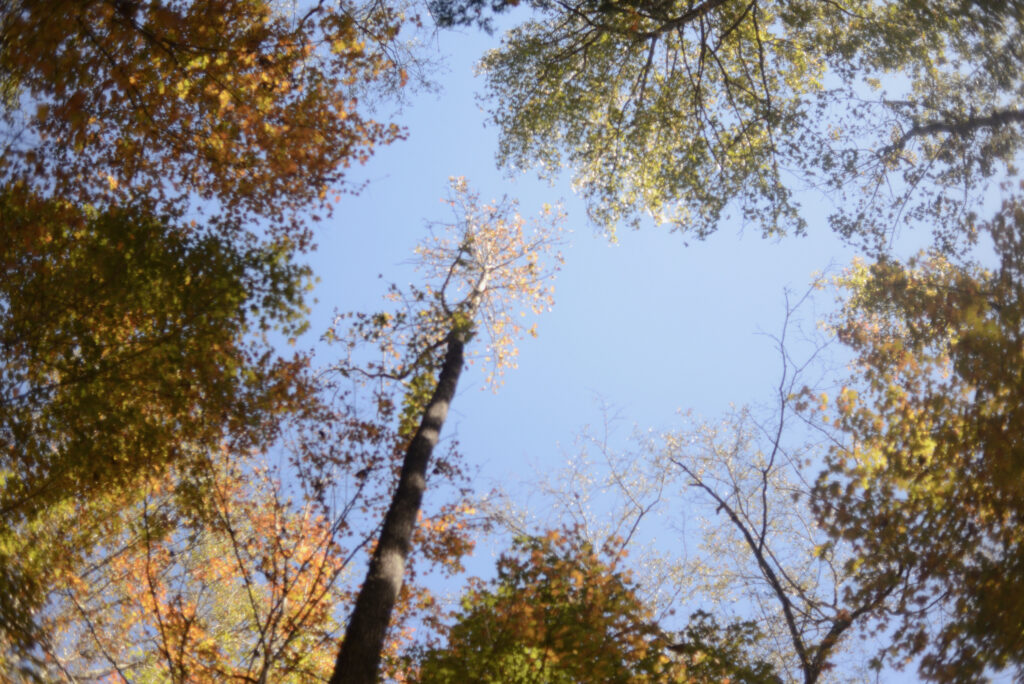
(Holly Swafford/SoulGrown)
I thought about that moment in the woods while I closed my eyes, settling into the trembling undercurrent of the plane’s engines, the artificial calm of flight.
***
(Jaydine Photography/Contributed)
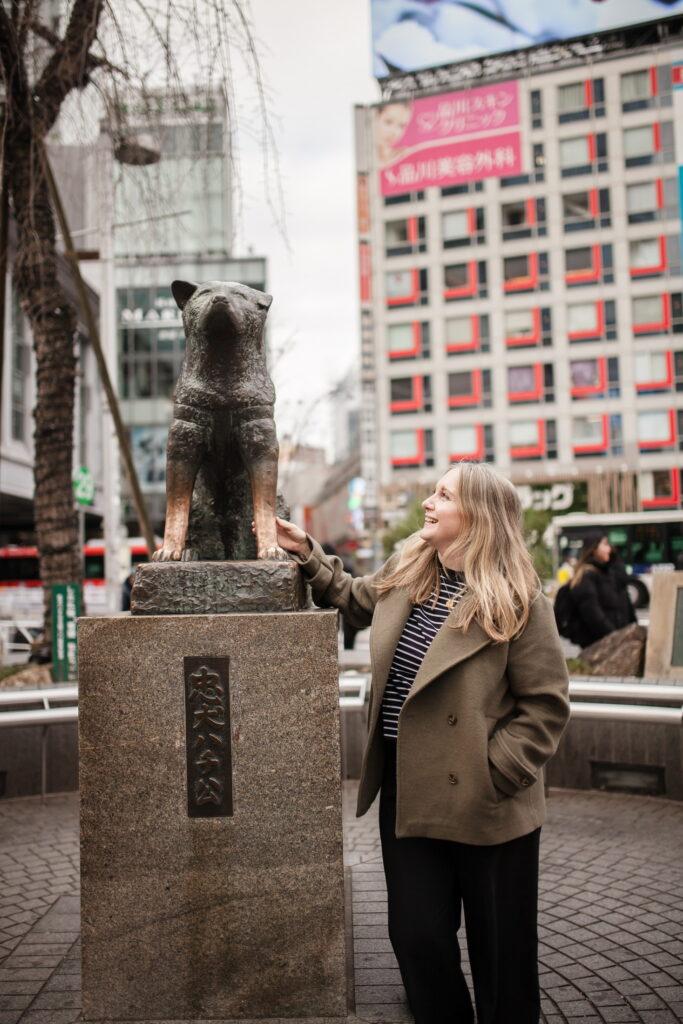
“Meet at the Hachiko statue.”
It was not quite 8am when I arrived at Shibuya Crossing, and the striped walkways were not yet paved with the steps of the crowds. I had ventured to this crossing–the busiest crossing in the world–a few days before, and it was an entirely different scene. I had watched it from the second floor of the corner Starbucks. Hundreds, if not thousands, of men and women weaving past, a rolling tide of suits and scarves in perfect choreography–and then dissolved in mere seconds as the light changed to red.
But not this morning. There were a few scattered pedestrians, moving at various paces. A gray-haired man tip-toed across, shuffling by just in time to catch the light. A small group gathered in front of Hachiko, the famous dog who patiently waited ten years at Shibuya for his deceased owner. As the group moved away, I walked gingerly up to him. Sheepishly, I smiled and said hello, as if he could somehow hear me beneath the metallic fur, touching his paw where millions had petted him, patina rubbed off for the bronze to shine through.
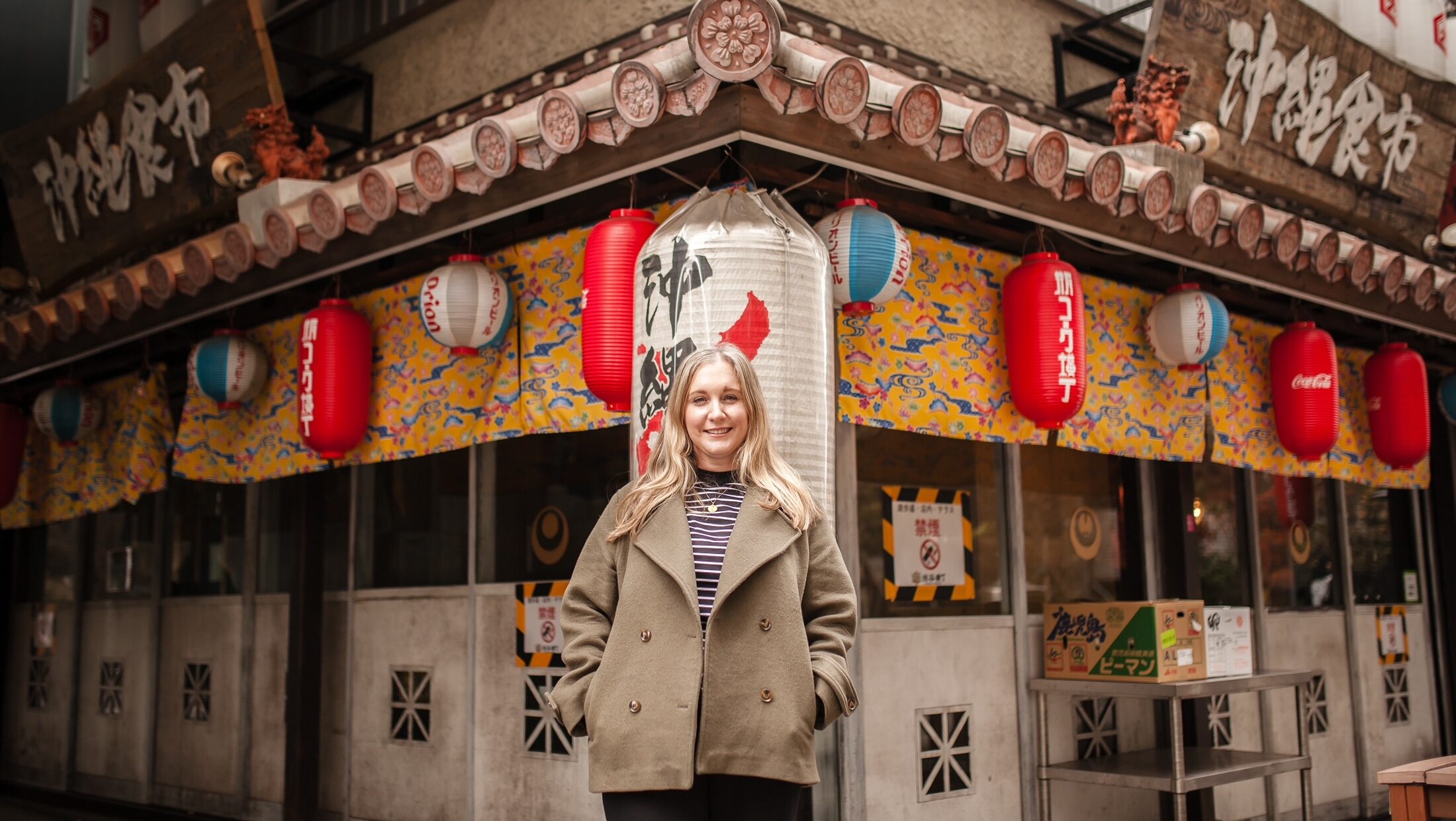
Jaydine met me there in her apple green coat. Warm and bright, we immediately felt like old friends as she led me around Shibuya. We started in the crossing itself, bounding across again and again, laughing like girls. All the while, we talked. We talked about everything–our kids (we both have sons), our cultures, our travels, things we’d both learned in our 30s and had yet to learn.
(Jaydine Photography/Contributed)
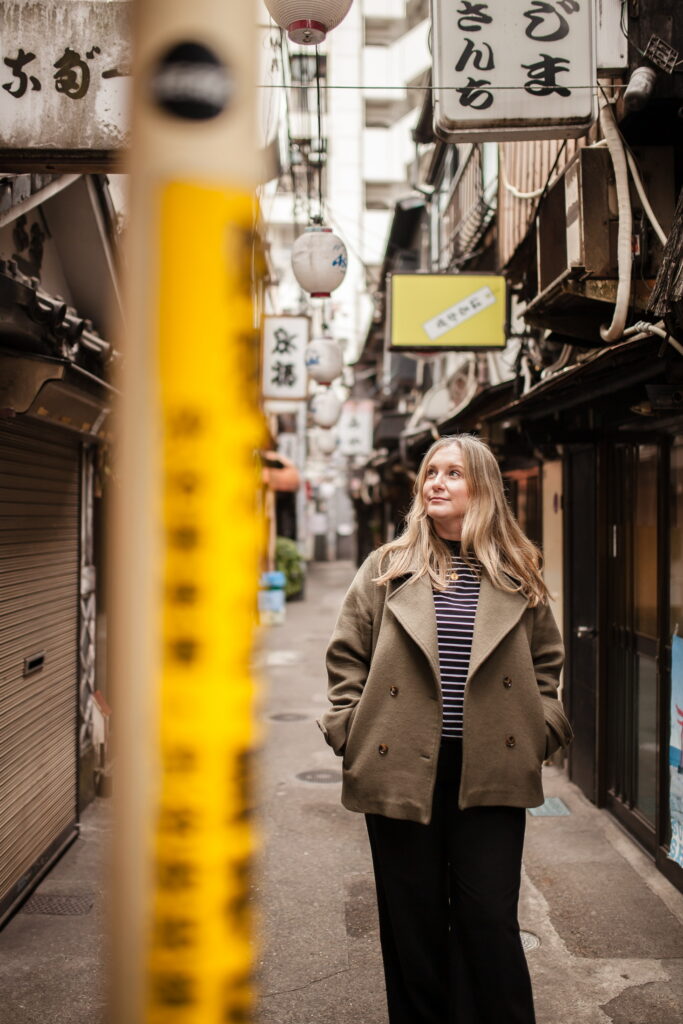
Finally, she led me to the entrance of a wooden gate, and put her finger over lips, instructing me to walk quietly. We entered in silence.
The alley was otherworldly quiet, and the only sound came from a humming radiator on the second floor above us. I stepped lightly down the center of the alley, reverently, the upstairs windows adorned with draped laundry, clipped on clotheslines. A string of white paper lanterns dotted my path, leading me through the alley, and the air was so still and silent that it felt as if I was walking down a church aisle. I inhaled and heard the air in my lungs, and held it there while watching the lanterns sway gently.
We stayed only a few minutes. When we exited, the sun was higher in the sky, and Shibuya’s traffic had grown from a scattered few to small clusters of pedestrians–and yet, I had felt something sacred in that small pocket of stillness moments before.
I thought about it again that night as I wandered around the streets of Shinjuku, alone yet surrounded by passing faces. Tokyo is a kind of paradox in that way. Sleek bullet trains and calm alleyways; quiet temples between neon signs. Ancient and modern…centuries-old rituals held up by paper lanterns.
(Holly Swafford/SoulGrown)
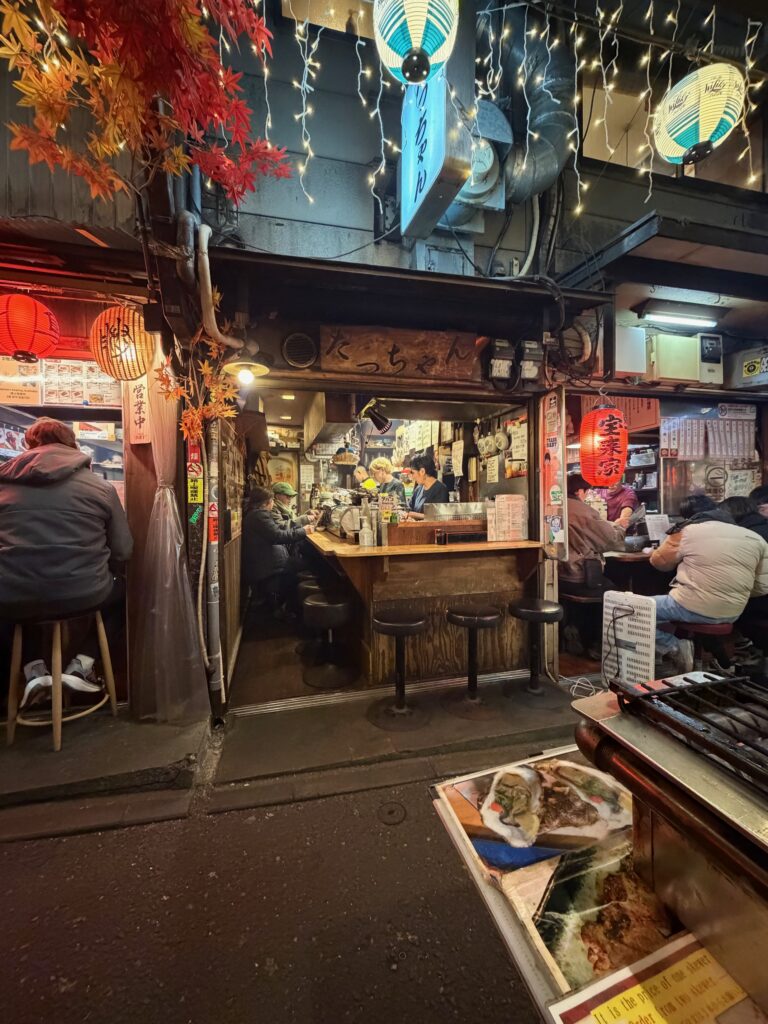
And as I settled into a seven-seat yakitori restaurant, I felt deeply comfortable and wonderfully small. In front of me, a woman turned skewers of chicken and peppers on an open-flame grill, brushing them with a generous amount of sticky soy sauce before handing them to me. Few words were exchanged, but in moments when language falls away, something else takes its place–a gentle understanding carried through laugh lines, moving hands and kind glances.
Komorebi. I had understood why that word had followed me across an ocean. The light keeps falling in, sometimes in a wide-casting blaze, and other times in the tiniest ribbons, slipping through a tangle of leaves to finally rest on the forest floor.
These are the moments that steady us, that remind us why we’re here, that make the next step possible when everything feels heavy. It’s light catching on my boys’ faces as they run beneath the trees. It’s the delicate swaying of paper lanterns. It’s a small kindness exchanged between two people who were strangers just minutes before.
It’s light filtering through whatever stands in its way…and somehow, it makes everything beautiful.
Love this story? Join our newsletter for more stories rooted in Alabama, delivered to your inbox every Friday.