Editor’s Note: Growing up, we didn’t talk much about where ingredients came from, who grew them, or what was in season. Like many of us who came of age in the ’90s, food felt largely disconnected from its source—it simply showed up at the grocery store, and that was enough. Over time, that began to change for me. Through conversations with chefs, farmers, and people closely connected to this work, I started to see food differently—not just as something we consume, but as something tied to place, season, and community. This series, Seed to Soul, comes from that shift. It’s a way of highlighting local chefs who are doing this thoughtfully and intentionally, and an invitation to slow down, pay attention, and better understand the connection between what’s grown here and what ends up on our tables. —Holly
Across Alabama, a growing number of chefs are looking beyond the plate—building relationships with local farmers, sourcing ingredients with intention, and shaping menus around what the land has to offer. It’s a quieter shift, but one that’s redefining how food is grown, prepared, and experienced across the state.
That idea is at the heart of Seed to Soul, a new video series from SoulGrown that offers a behind-the-scenes look into kitchens across Alabama. Through short-form videos, the series highlights chefs who are championing local producers and bringing a deeper awareness to the state’s foodways—inviting viewers into both the process and the thought behind each dish.
At its core, the series is about connection. When chefs source locally, they’re not just choosing fresher ingredients—they’re supporting a larger system. Buying from nearby farms helps strengthen food security by reducing reliance on outside supply chains, supports more sustainable growing practices, and keeps resources circulating within local communities. In turn, that connection shows up on the plate—in flavor, in seasonality, and in the stories behind each ingredient.
In a kitchen shaped by that same rhythm, the starting point isn’t always a recipe—it’s what arrives from the farmer that week.
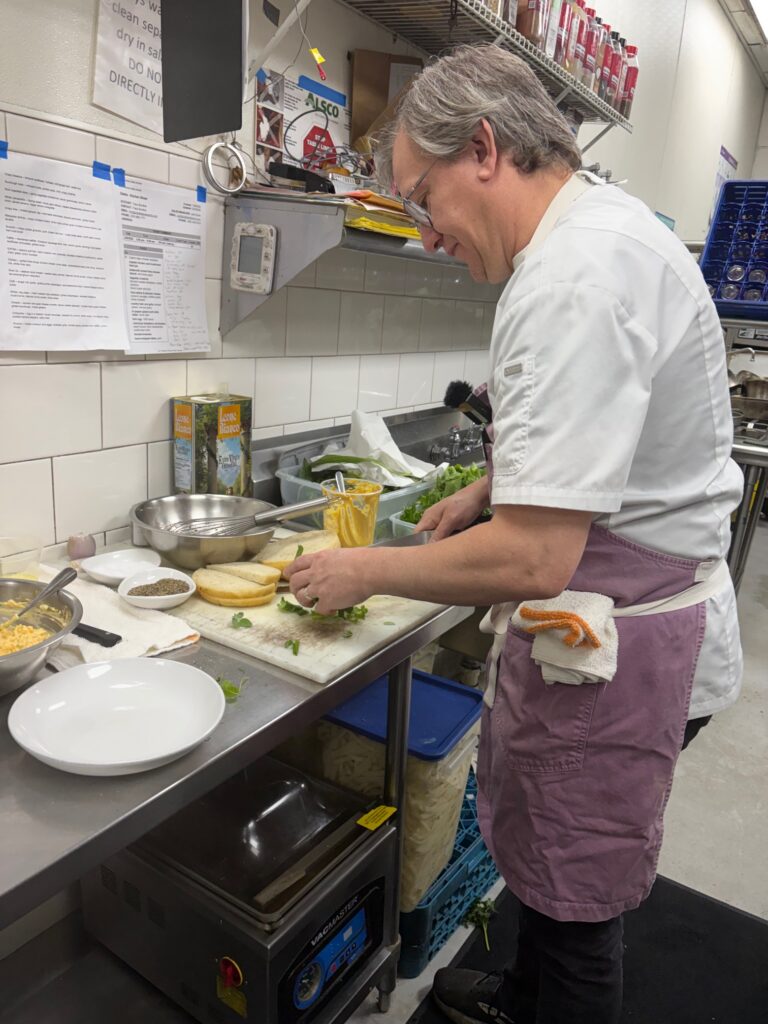
Chef Josh Quick, Odette
(Holly Swafford/SoulGrown)
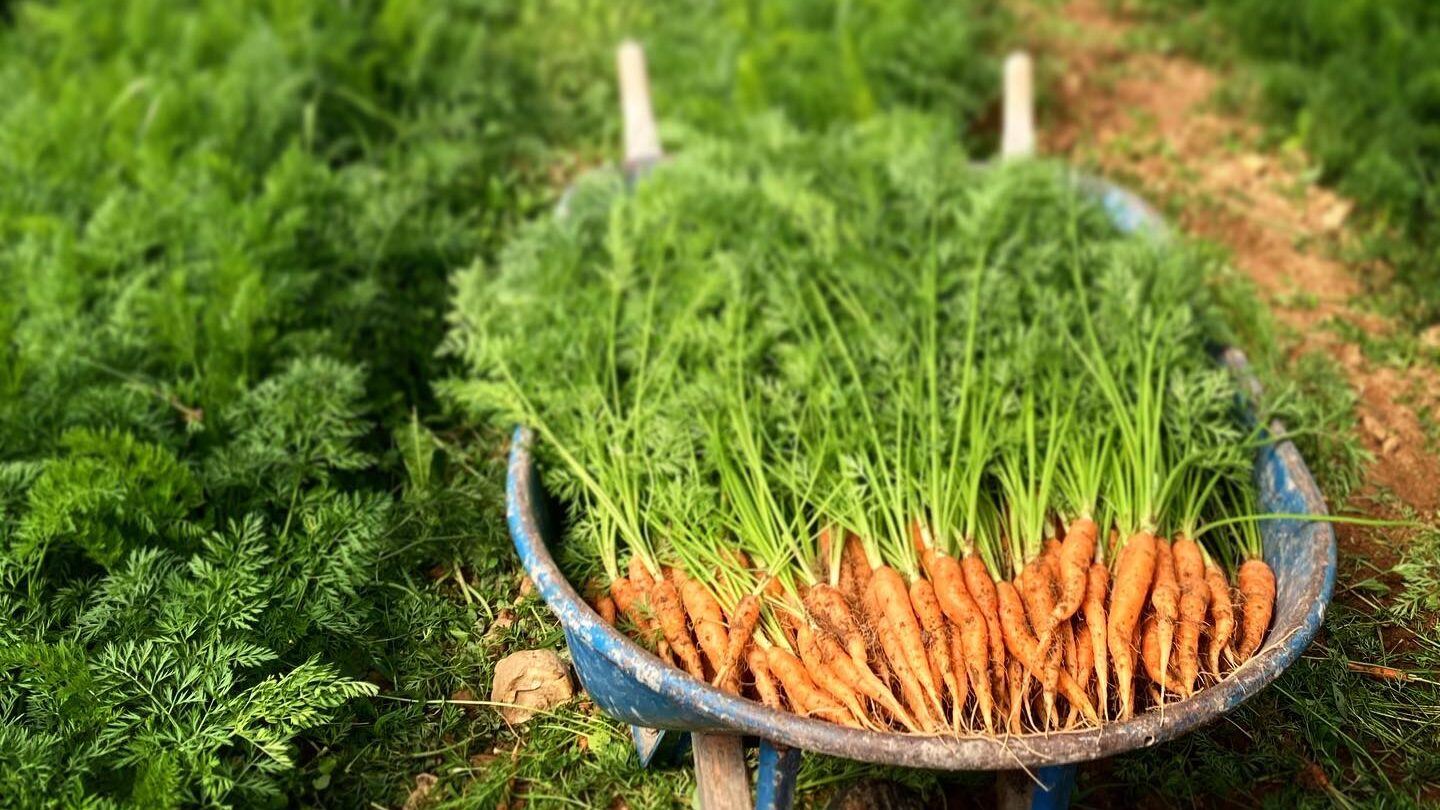
For Chef Josh Quick, our first guest of the series, that often looks like a box of ingredients from a local farm: eggs still rich with color, handfuls of fresh herbs, and greens that are crisp and bright from their recent harvest. It’s less about planning a dish in advance and more about responding to what’s in front of him.
The ingredients inspired him to create a spring egg salad on toasted focaccia. “What inspired this dish was the kind of CSA-style box of vegetables and goodies we got—just to kind of see what we had.”
Inside that box were spring greens and vibrant herbs. The added addition of sumac added a citrus note. “We thought we’d do a little sumac vinaigrette on there to kind of brighten everything up,” he explains.
Cooking with What the Land Gives
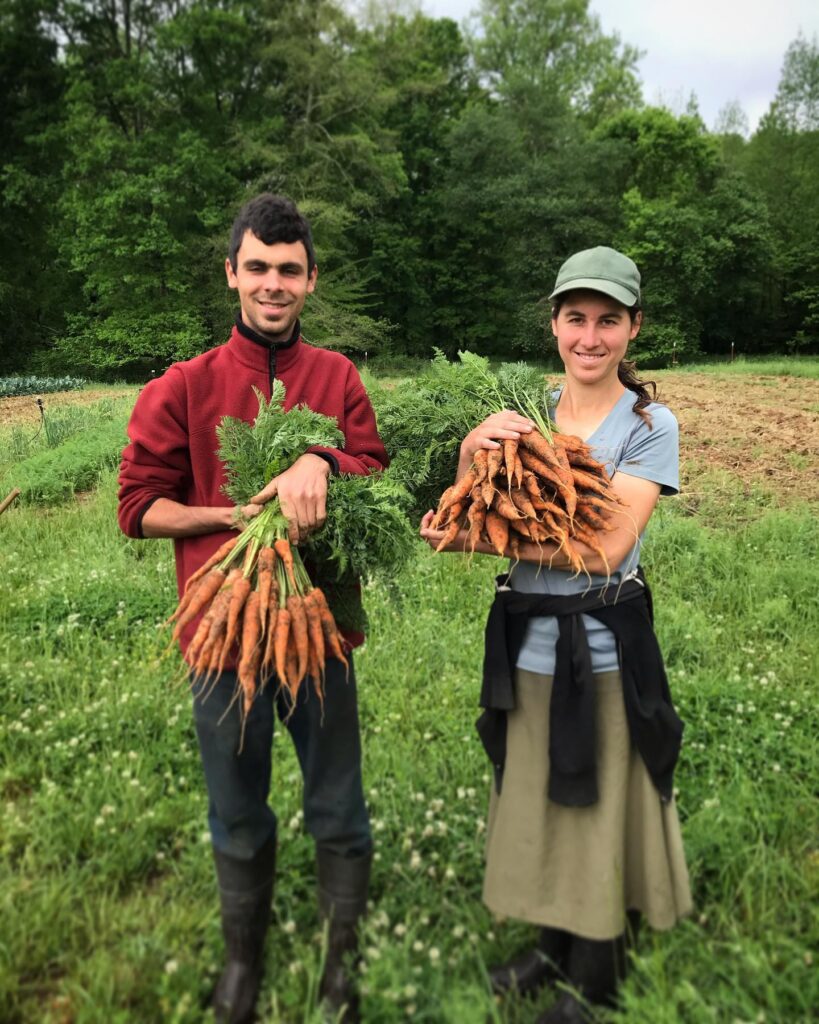
That approach starts with relationships—particularly with the farmers who are growing the food. Chef Josh and his team at Odette work closely with a farm in Iron City, Tennessee, Sonlit Meadows Farm, where the focus is on natural growing practices and seasonal production. Instead of ordering specific ingredients, he listens.
“The farmers are kind of leading that,” he says. “They tell me what’s in season. They’re saying, ‘this is what’s coming out of the ground, this is what we have available,’ so I can kind of build a dish based on what they’re telling me to do.”
It’s a shift from control to collaboration—one that ties the kitchen directly to the land. And the difference, he says, is immediate.
“The biggest difference I see using local ingredients is the freshness of it—how bright the colors are, the flavors are. It’s so much better.”
(Sonlit Meadows Farm/Facebook)
More Than a Meal
For Chef Josh, cooking this way is a chance to highlight not only his technique, but an ingredient-forward approach that lets the farm freshness speak for itself.
“I think it’s important for people to understand where the food comes from and our foodways,” he says. “Because it creates a sense of community that is so important.” That sense of community extends beyond the plate and into the kitchen itself. The work is built on relationships—with farmers, with guests, and with the team behind the scenes.
“I really want hospitality on our team to be first and foremost,” he says. “We’ve built a really great team. We’ve built this on relationships with people.”
These two pillars—a familiarity with ingredients, and a familiarity with his guests and team—are both undoubtedly built on a commitment to connection.
At the heart of it, this way of cooking is about more than what ends up on the plate—it’s about understanding how it got there in the first place. Knowing where our food comes from, who grew it, and what season it belongs to creates a deeper connection, not just to the meal, but to the place itself. And in that connection, something shifts. Food becomes less transactional and more intentional—something to pay attention to, something to appreciate, and something that ties us back to the communities that make it possible.
Love this story? Subscribe to our newsletter and get the best of Alabama delivered to your inbox every Friday.