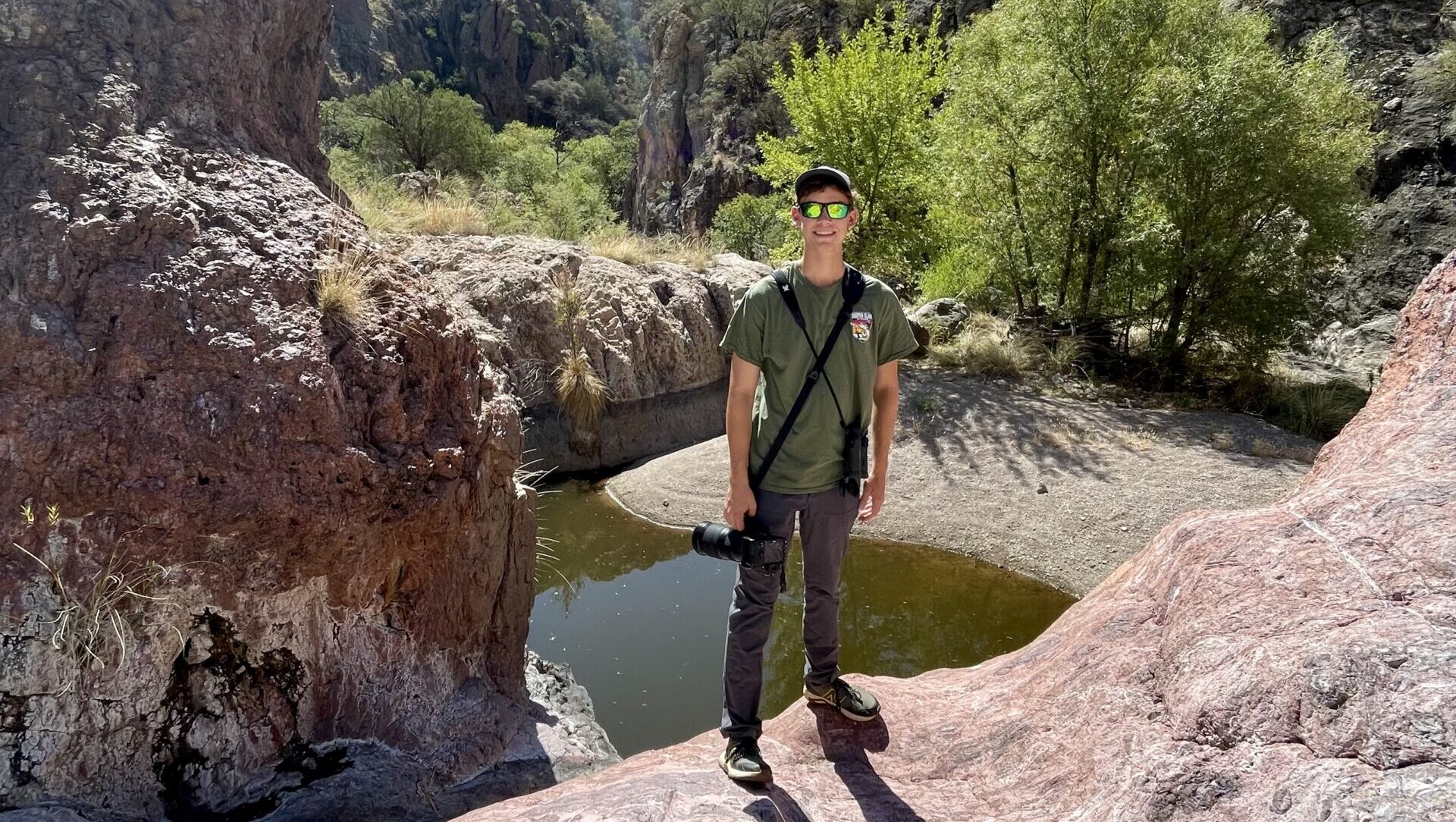
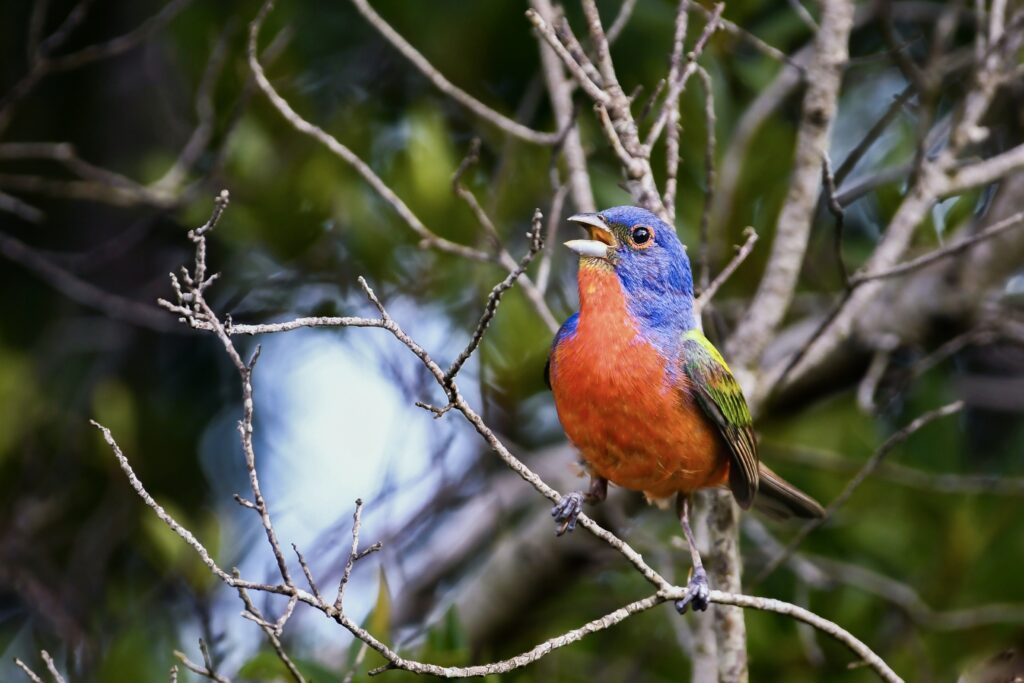
On a beautiful blue-sky day when he was 11, Mason Currier looked up and saw something that really sparked his interest. An Eastern Bluebird perched on a power line suddenly took flight, its vibrant plumage cutting through the air like living sapphire.
“What in the world is that?” he wondered. That single moment ignited a passion that would reshape his life—and eventually rewrite Alabama’s birding history.
Now a freshman environmental science major at Samford University, the 19-year-old from Mobile, Alabama, stands as the state’s record holder for the most bird species observed in a single year. During 2025, Currier spotted 357 species, surpassing the previous benchmark of 334. He achieved the feat alongside friend and fellow birder Andrew Lydeard of Alabama Audubon, with the record-breaking sighting occurring 75 miles offshore in the Gulf of Mexico amid a flock of rare shearwaters.
A Spark in Middle School
(Mason Currier/Contributed)
Currier’s journey began at Cypress Grove Academy, a Christ-centered classical school in Mobile. When his mother started homeschooling him in sixth grade, the extra hours outdoors invited curiosity.
“I just have this core memory of me and my mom, where we would go biking many afternoons when I was in middle school. I remember just seeing this beautiful bird—like bright blue, brighter than the sky, with this fiery orange belly. It’s like, ‘What in the world is that?’”
At the time, Currier was also doing some painting and artwork.
“I found this bird, this blue bird in this book, and started drawing this blue bird. And then from there, it was like, ‘Oh, well, here’s another bird. Here’s another one.’ I just started slowly learning to identify the birds around me. I got myself a pair of binoculars and a field guide, and that fall, went to Alabama Coastal Bird Fest and met my first bird watchers. I realized this is something fun to do that other people do besides me.’”
He was the only kid there that year, with his mom the second-youngest participant. Over ensuing years, he connected with a small but growing cohort of younger birders.
Birding as Mental Anchor
For Currier, birding is more than a hobby—it is an antidote to chaos.
“It’s good for your mental health,” he said. “It slows me down and plants my feet.” Long stretches without time in the field leave him feeling overwhelmed by the demands of college coursework. Early mornings in nature, filled with birdsong and focused observation, offer clarity. “I forget about all the stresses and all the homework I have to do.”
The Record-Breaking Big Year
(Mason Currier/Contributed)
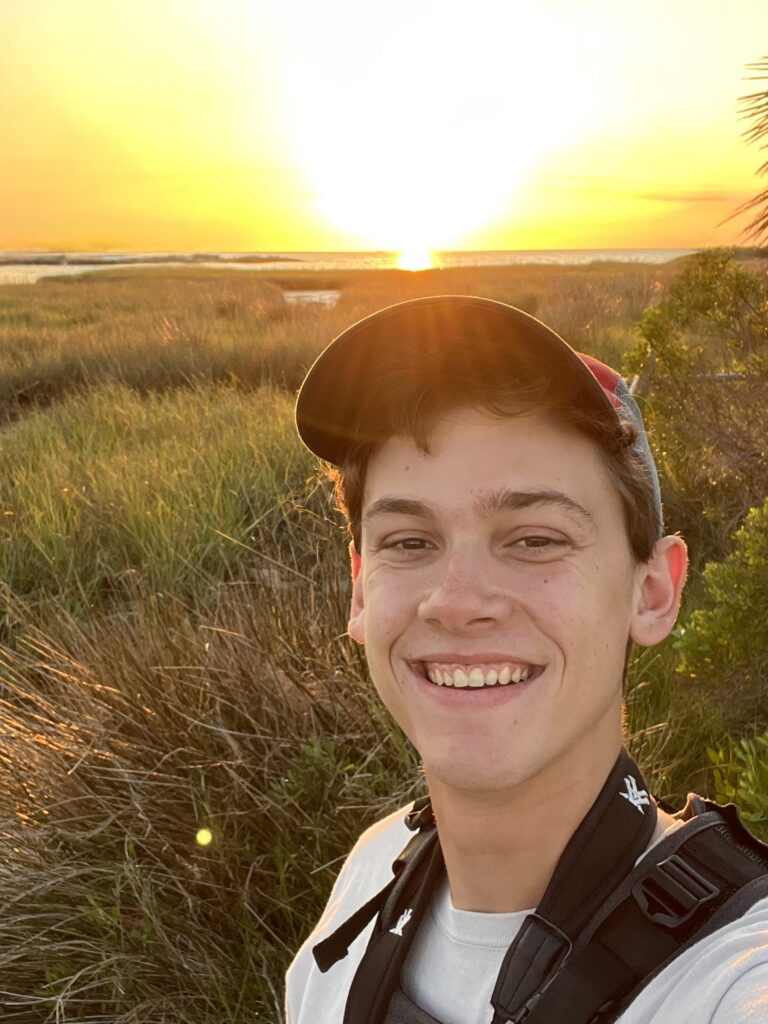
That grounded focus fueled an extraordinary 2025. Currier entered the year with modest intentions: explore Alabama’s rich ecosystems and enjoy the process.
“Going into the year, my goal was just to explore and have fun, not to break the record,” he said. “Obviously, I just love challenging myself, just to explore.”
Yet blessings accumulated rapidly. An offshore trip proved pivotal. January tested his stamina; he ended the month with roughly 220 sightings, capitalizing on winter rarities. By April, spring migration propelled him past 300 species, putting him on a record-setting pace.
“I was three or four months ahead of where I thought I would be,” he said.
He maintained steady momentum, ultimately closing the year at 357 species. Before college, Currier had already pushed boundaries as a high school senior, targeting 300 species in a “Big Semester” that included rarities such as a Sprague’s pipit, glaucous-winged gull, Harris’s sparrow, American goshawk, and the state’s first recorded thick-billed longspur. He credits community support and friendly competition—especially with Lydeard—for many breakthroughs.
Together they added unusual species to Alabama records, including birds never before confirmed in the state. For rare sightings, documentation through detailed notes, photos or audio recordings helped maintain the birding community’s honor-code system.
Finding Home at Samford
While considering colleges around the Southeast, Currier added Samford to his tour list on a classmate’s recommendation. The visit sold him almost in an instant.
“At Samford, I noticed how no one was on their phone walking between classes,” he said.
To this day, pulling out his phone on campus prompts a second thought. He found intentional relationships, genuine faith conversations, and peers who sharpen one another—“iron sharpens iron,” as the biblical proverb puts it.
As a freshman, Currier has thrived in Samford’s close-knit environment.
“It’s been a really fun year. I had high expectations coming in, and Samford has met and exceeded those,” he shared. “Student life is amazing. Everyone is so involved and interested in getting to know you. There’s endless things to do. It’s just a good community—small enough to where, if I meet someone new, I’ll see them at least every couple days around campus.”
Faculty impress him with small class sizes and intentional support. “The faculty has been amazing, really down to earth.”
He stays deeply involved in Christian communities on campus, including small groups through the Office of Spiritual Life, local church participation, and Reformed University Fellowship (RUF). “It is very hard to dodge being poured into with scripture,” he noted. “It was definitely something that I was excited about coming into Samford. The university really is what they promised.”
A Future Rooted in Stewardship
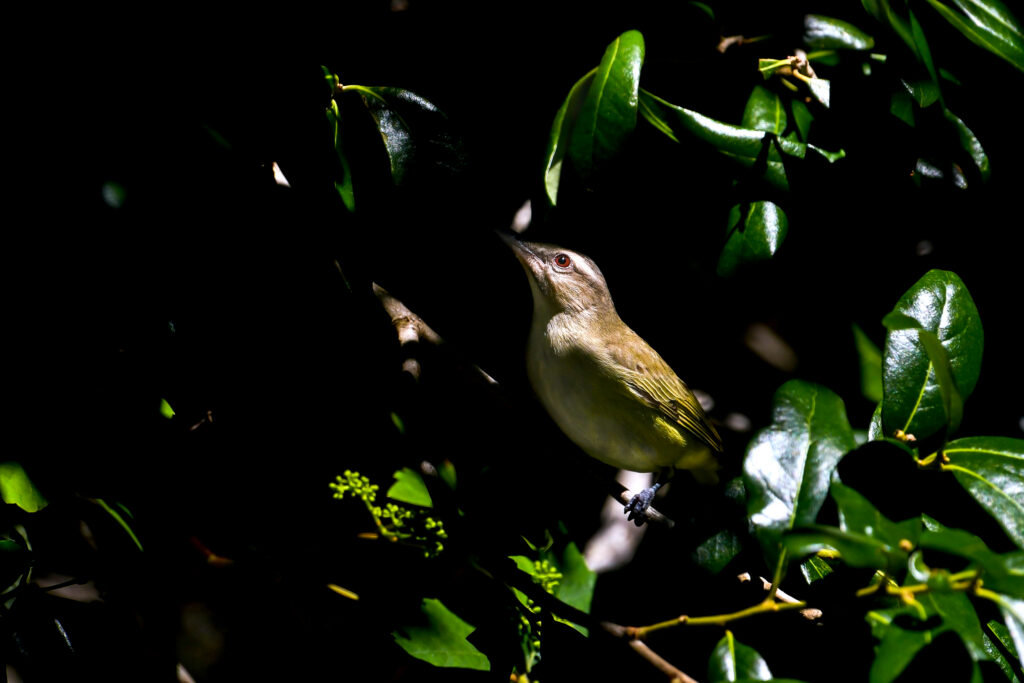
(Mason Currier/Contributed)
At Samford, Currier channels his passion into structured study.
“Feet in the dirt and hands on a pair of binoculars is my happy place,” he said, “and a place where a lot of good can be done.”
His environmental science major opens doors to conservation, land management, forestry, park service, environmental engineering, or nonprofit work—possibly even with groups like Alabama Audubon.
“I’ve gotten to meet a lot of cool people across the state, and I just love the environment here,” he explained. “Doing this birding thing has trained me to see that we have issues in Alabama and there’s so much good that can be done in this field.”
Alabama’s biodiversity inspires him—its wetlands, beaches, and deltas teem with life—but he sees challenges like habitat loss. He rejects false dichotomies.
“I don’t think it has to be a polarizing issue. I don’t think it must be habitat protection or people protection—there’s a lot of middle ground that can be found. There’s a lot of amazing people working hard to protect Alabama species.”
Many of the birds he observed owe their presence to decades of restoration efforts. Currier’s story reflects a broader evolution in birding. Once dominated by retirees, the hobby now attracts younger enthusiasts drawn to its mental health benefits and communal spirit. He delights in mentoring others, hoping to spark the same wonder that once stopped him in his tracks. His record year was never solely about numbers; it was about presence—waking before dawn, scanning horizons, listening intently. Professors and friends at Samford proved supportive when he balanced his “Big Year” with academics.
“My professors were supportive, my friends were supportive… People who knew what I was doing came alongside me,” he said. As he wraps up his freshman year and heads home for time with family, Mason Currier remains optimistic about Alabama’s untapped avian potential. The state still holds secrets that he intends to uncover while building a career protecting the ecosystems he loves.
In a world of constant distraction, he chose to slow down, look up, and pay attention. In doing so, he not only spotted more birds than anyone before him in a single Alabama year—he discovered a clearer path for himself and, perhaps, a model for thoughtful stewardship of the natural world.
Want more stories like this? Join our newsletter for more stories rooted in Alabama, delivered to your inbox every Friday.