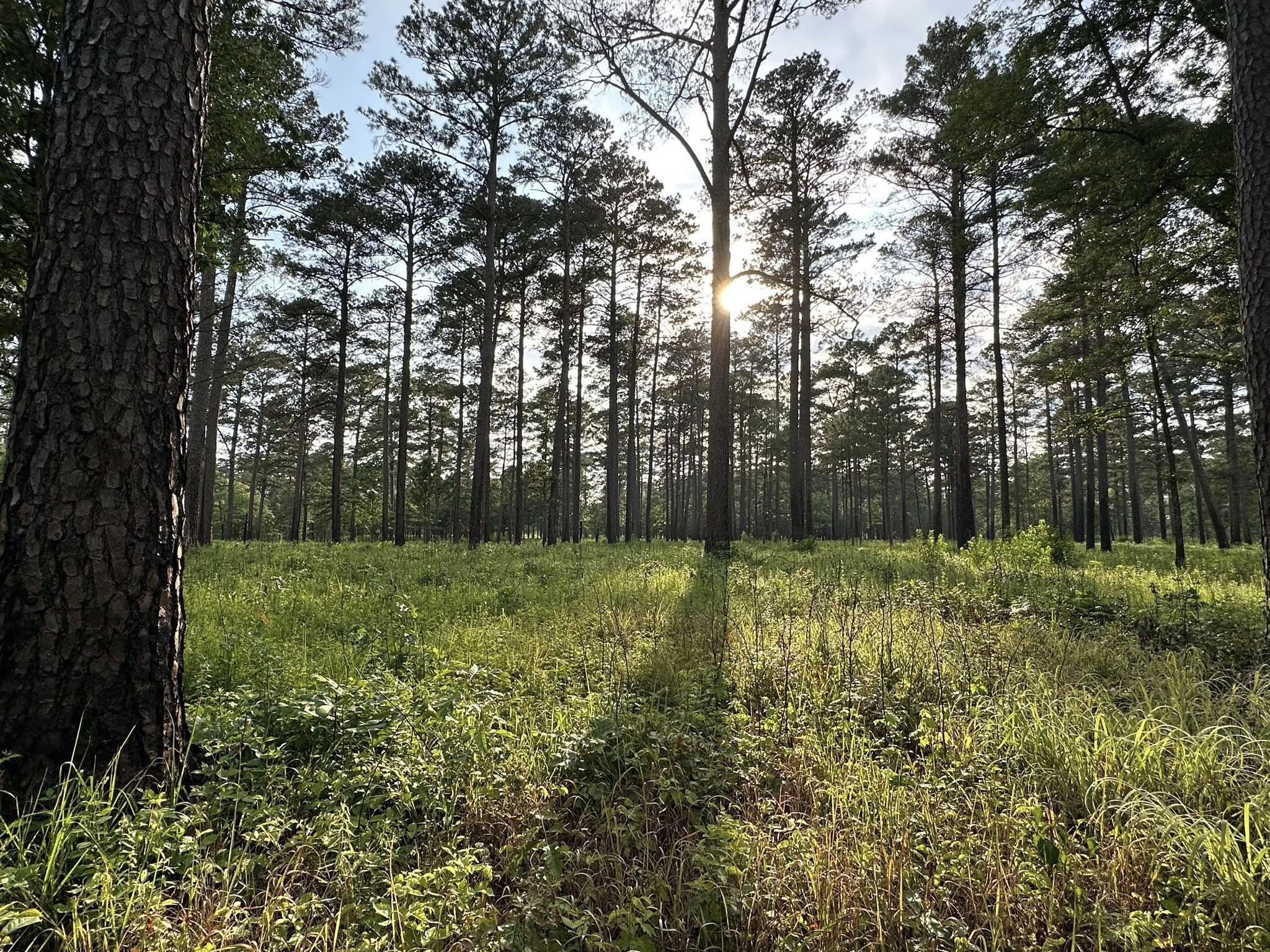
Alabama’s native grasslands and prairies once stretched across large portions of the state, particularly throughout the Black Belt, creating one of the Southeast’s most biologically rich ecosystems. These prairies supported an enormous range of native grasses, wildflowers, pollinators, birds, and game species, all adapted to Alabama’s soils, climate, and natural fire cycles. Today, however, only a fraction of those landscapes remain after decades of agricultural conversion, development, and fire suppression drastically reduced the state’s native prairie systems.
Private Landowners Hold the Key
Conservation groups and land managers across Alabama are working to reverse that loss through statewide seed collection initiatives, restoration funding, and habitat management programs. But according to Thomas Reddick, Executive Director of the Alabama Forest Land Trust (AFLT), the future of Alabama’s grasslands will largely depend on private landowners and how they choose to manage their property in the coming decades.
Because nearly 93 percent of Alabama’s land is privately owned, large-scale prairie restoration simply cannot happen without landowner participation. Founded in 1999, the Alabama Forest Land Trust is the state’s leading working forest land trust and has helped private landowners protect more than 90,000 acres of forest and farmland through conservation easements. The organization focuses on preserving privately owned working lands while still allowing traditional uses such as hunting, forestry, and agriculture to continue. Conservation easements remain one of the group’s primary tools for protecting Alabama’s forests, farms, and wildlife habitat long-term.
“Whether privately or publicly owned, any good steward of the land should always identify their land management objectives,” Reddick said. “We are seeing more interest and investments from recreation landowners who want to establish the best habitat their land can provide. The biggest failure we see is passive management.”
What Prairie Restoration Actually Looks Like
(Alabama Forest Land Trust/Facebook)
According to Reddick, one of the first steps in restoring native prairie habitat is understanding what the land historically supported before modern land use altered the landscape. Prairie restoration, he explained, is far more involved than simply planting native grasses. Landowners must first evaluate what currently exists on the property, what factors are preventing native habitat from thriving, and whether any desirable native species or ecological traits still remain.
Historical imagery can also provide valuable insight into how a property once functioned naturally.
“Historical imagery of the property will aid in identifying where native grasses thrived and where timber or wetland components were naturally established,” he said.
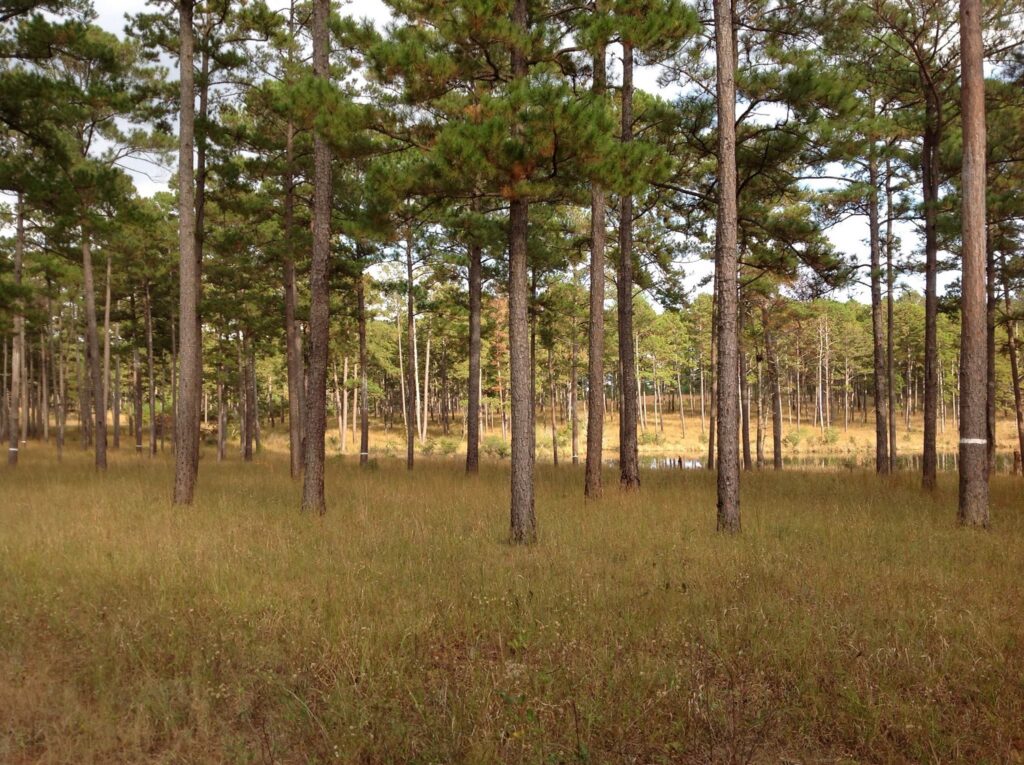
Prairie systems are not simply open fields devoid of trees. Instead, they are naturally diverse landscapes that often contain a mixture of grasslands, scattered timber, and wetland areas working together as part of a larger ecosystem. Successful restoration efforts focus on rebuilding that ecological balance rather than creating a uniform landscape.
Reddick also emphasized that prairie restoration is not a one-time project, but an ongoing management process that requires continual maintenance. Historically, Alabama’s grasslands were sustained through recurring fire cycles and grazing patterns that prevented woody vegetation from overtaking native prairie habitat. Without those natural disturbances, invasive species and dense tree growth can quickly dominate the landscape.
Today, land managers must intentionally recreate those conditions through prescribed burning and selective vegetation management.
“A combination of selective herbicide and prescribed fire is a powerful duo that can swing the species tide from woody stems and monoculture grasses to diverse native grasses and forbs,” Reddick said.
Over time, those management practices can become more strategic and tailored to the landowner’s goals. Alternating prescribed burns across different sections of a property and varying the timing throughout the year helps create a wider range of habitat conditions for wildlife. That diversity supports everything from pollinators and migratory birds to deer, turkey, and bobwhite quail.
“The burns will likely become easier and more predictable, but they should never stop,” Reddick said.
An effective prairie system, he added, should provide food and habitat throughout the entire year while supporting both game and non-game species across multiple seasons.
Education and Access Will Shape the Future
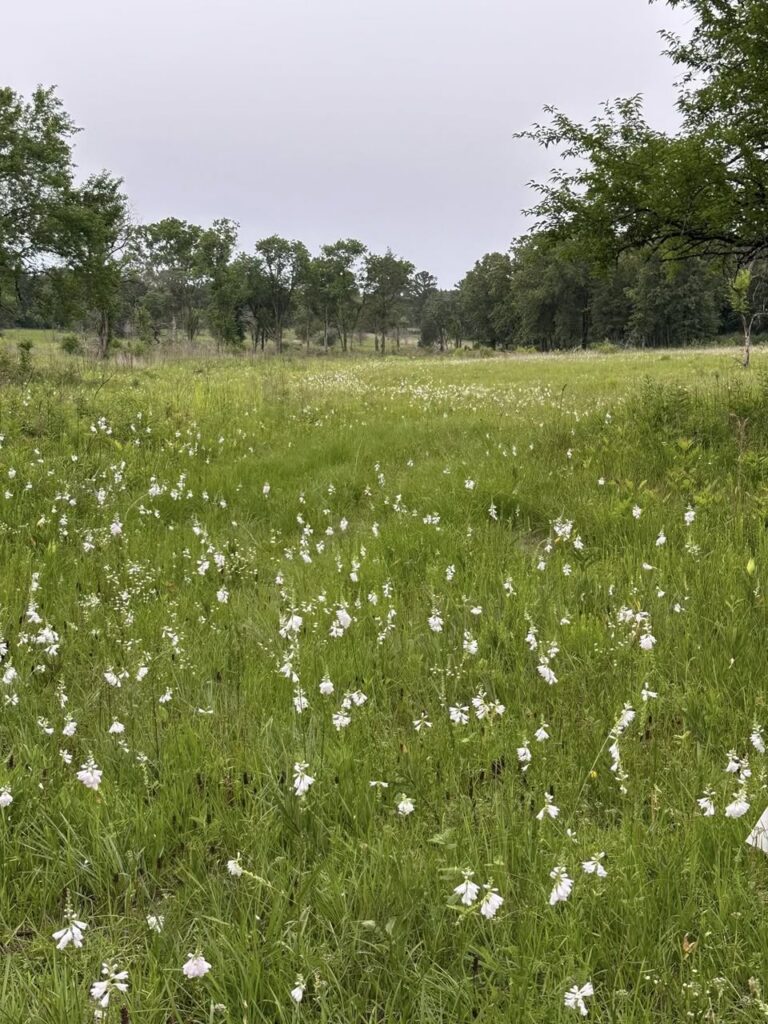
(Southeastern Grasslands Institute/Facebook)
At the same time, Alabama is beginning to see growing momentum behind grassland conservation efforts statewide. Recent initiatives include large-scale native seed collection projects, increased restoration funding, and programs designed to help landowners restore portions of their property back to native habitat. Still, Reddick believes one of the largest barriers remains simple awareness.
“I think it comes down to education and access for landowners,” he said. “If the landowners aren’t aware of these opportunities, or the programs require significant hurdles, then the projects won’t succeed.”
He pointed to landowner field days, conservation education programs, classroom outreach, and public awareness efforts as some of the most important tools for expanding restoration work across Alabama.
“It’s stories and articles such as this, landowner field days, industry-level education, and even visiting classrooms to educate the next generation, that will help transform our landscape,” he said.
The stakes, according to Reddick, extend far beyond biodiversity alone. He warned that much of Alabama’s landscape is increasingly threatened by monoculture systems and passive land management practices that reduce ecological diversity over time. He also noted that Alabama is currently experiencing a major generational transfer of land ownership, creating both challenges and opportunities for long-term conservation work.
“Anytime we can incentivize a private landowner to improve their landscape, that is a win,” he said.
While restoring native ecosystems often requires significant upfront investment, Reddick said those landscapes can ultimately become more sustainable and less expensive to maintain over time.
“It is cheaper to maintain a native ecosystem,” he said. “It’s the education and initial implementation that’s expensive.”
Looking ahead, Reddick believes long-term success will depend on making restoration programs more accessible, practical, and financially achievable for landowners throughout the state.
“Accessible programs that can reduce the initial burden of transforming a property into its native state,” he said, describing what success could look like over the next 10 to 20 years.
Once those initial restoration hurdles are overcome, he believes more landowners will begin sharing their own success stories, helping build additional momentum for conservation across Alabama. “Once this hurdle is crossed, the productivity will continue, and I promise their success stories will be shared,” Reddick said.
As Alabama’s prairie restoration movement continues to grow, conservation leaders say one thing is becoming increasingly clear: restoring the state’s grasslands will require far more than seed banks and funding alone. Long-term success will depend on education, active stewardship, and the willingness of private landowners to help rebuild one of Alabama’s most endangered ecosystems.
Want to stay up to date on Alabama conservation efforts? Subscribe to our newsletter and get the best of Alabama delivered to your inbox every Friday.