Some brands begin in boardrooms and tailored suits—but this one starts in the jungle.
Hatton Smith II didn’t originally set out to start a rum company. Campesino came together the way a lot of things in his life have—by going a little further than planned and figuring it out as he went.
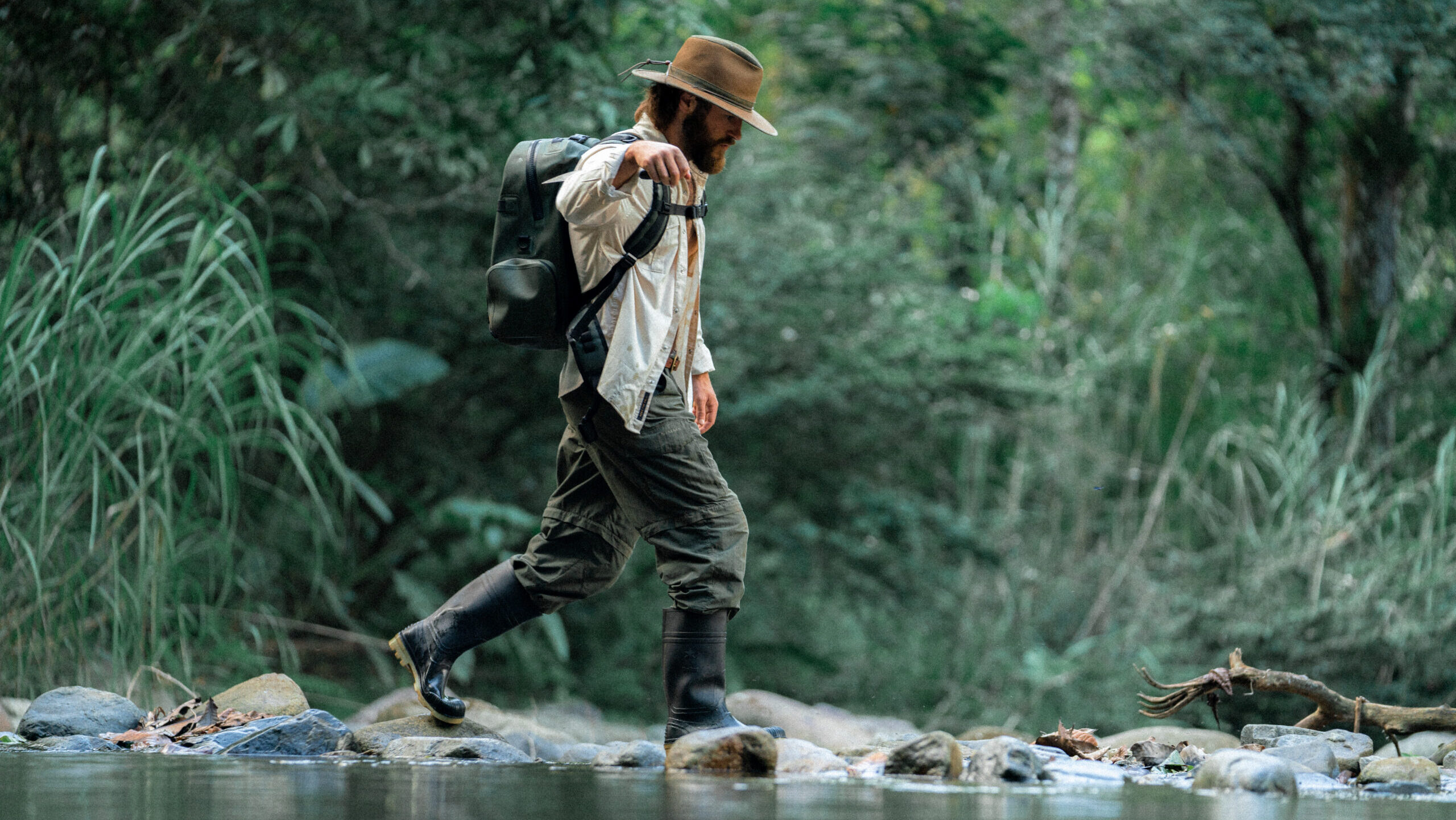
Years before there was a brand, that instinct had already taken him deep into the Panamanian jungle, where he learned to distill rum on a remote farm, trading bottles and building something that looked nothing like a business.
And his introduction to rum didn’t come from a bar, but from travel. Growing up, he spent time on coffee farms with his father, where sugarcane was always part of the landscape. “Everywhere coffee was grown, sugarcane was right there beside it,” he says. “I remember seeing these old presses—just two stones and a mule—and tasting fresh sugarcane juice for the first time. It completely blew my mind.”
That curiosity drew him in from a young age. As a teenager in Guatemala, he had his first real lesson in rum—not how to mix it, but how to sit with it. “An older man gave me a bottle and taught me to drink it properly—never mixing it, just appreciating it for what it is,” he says. “I still have that bottle.”
For Smith, curiosity has never been abstract—it’s been an invitation to explore, to chase the unfamiliar, and to pull him away from anything resembling a conventional path.
Off the map
(Ryan Valasek/Contributed)
In his late teens and early twenties, Smith kept following that instinct, returning to Central America whenever he could before eventually settling for stretches of time on a remote farm in Panama.
“I moved down there with no real plan,” he says. “I didn’t have money, I was in and out of school—I just kept finding ways to stay.”
Getting there wasn’t easy, either. The road eventually disappeared, replaced by a hike into the mountains where the farm sat, removed from anything structured or predictable.
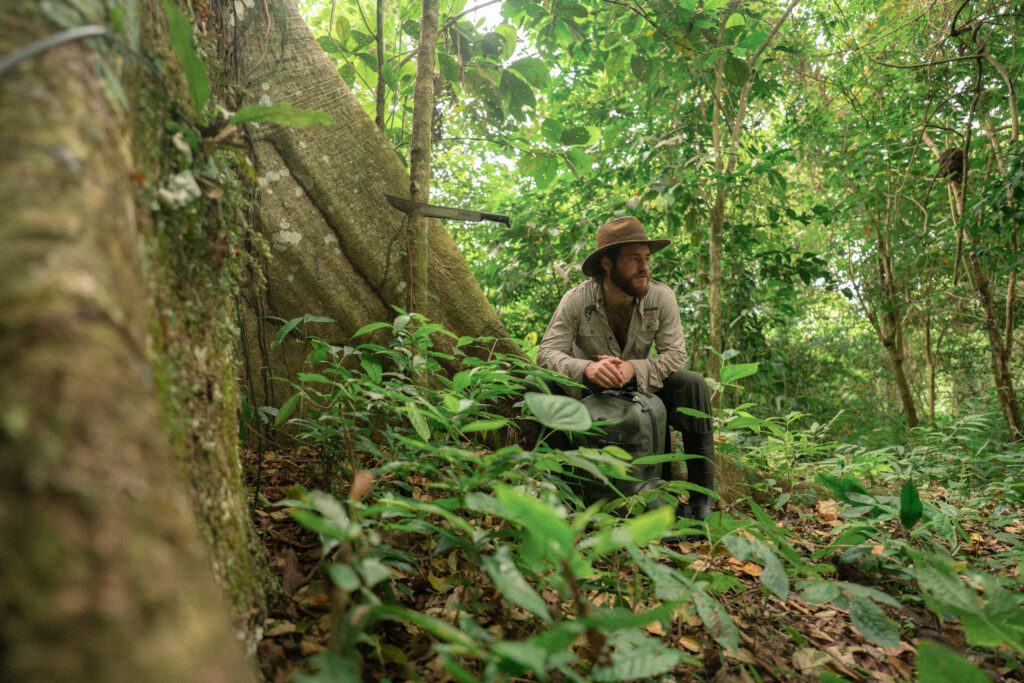
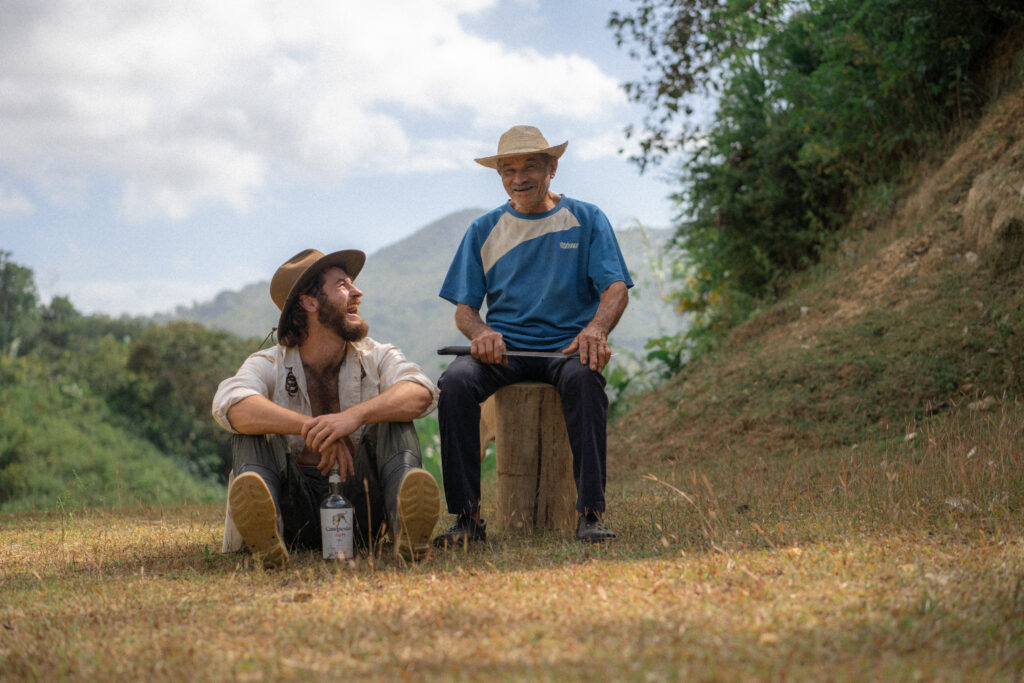
Life there operated on a different set of rules. Local farmers—campesinos—became both neighbors and teachers, showing him how to navigate the terrain and take care of himself in an environment that didn’t leave much room for error. “They taught me how to find water, how to build shelter—how to live out there,” he says.
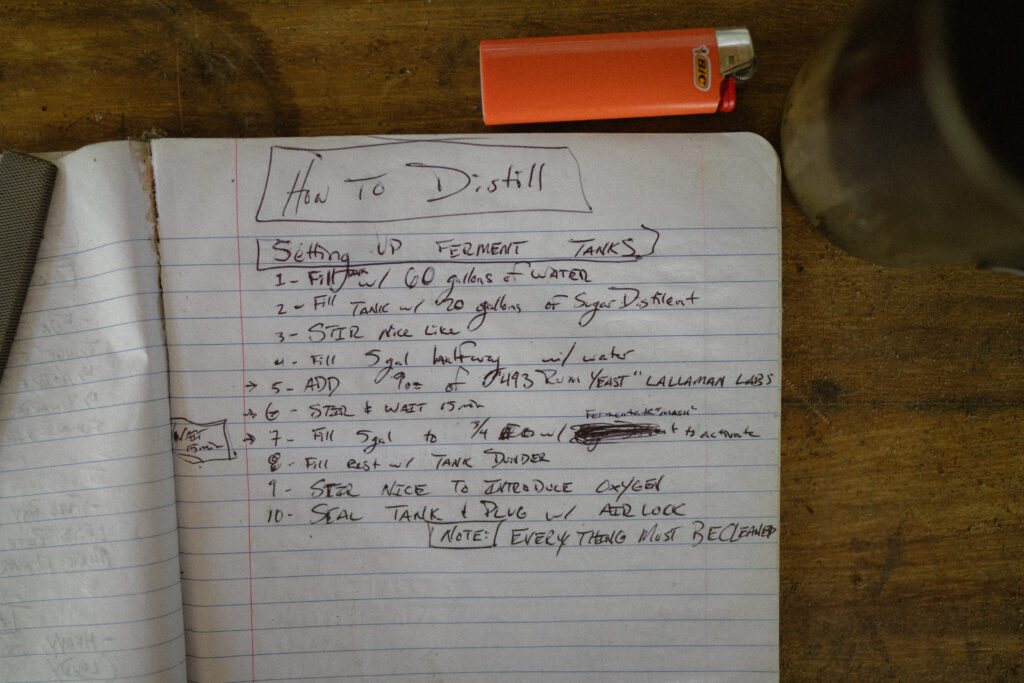
At some point, a makeshift rum still entered the picture, pieced together from old equipment, and what started as curiosity turned into something more hands-on. “That’s where I first learned how to ferment and distill,” he says.
He made rum the way he learned everything else there—through repetition and trial. It became part of daily life, something he traded, shared and refined alongside the people around him.
“For a while, I felt like one of them,” he says. “We’d spend all day together, and when I made rum, they became my drinking buddies.”
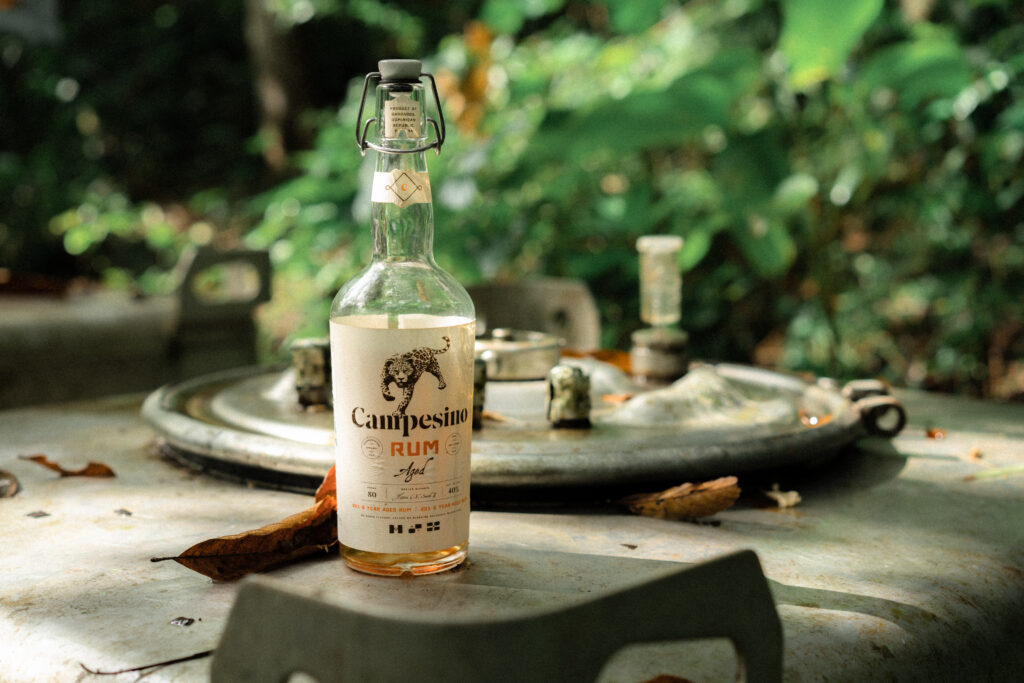
The name Campesino, he says, comes directly from that time.
“It’s a tribute to those farmers. That’s where all of this really started.”
Worn in
(Ryan Valasek/Contributed)
That same instinct—to hold onto what works and push it as far as it will go—shapes nearly everything Smith does. While his lifestyle can seem unconventional, even reckless, it’s anchored by a sense of loyalty to what he values and a desire to preserve it.
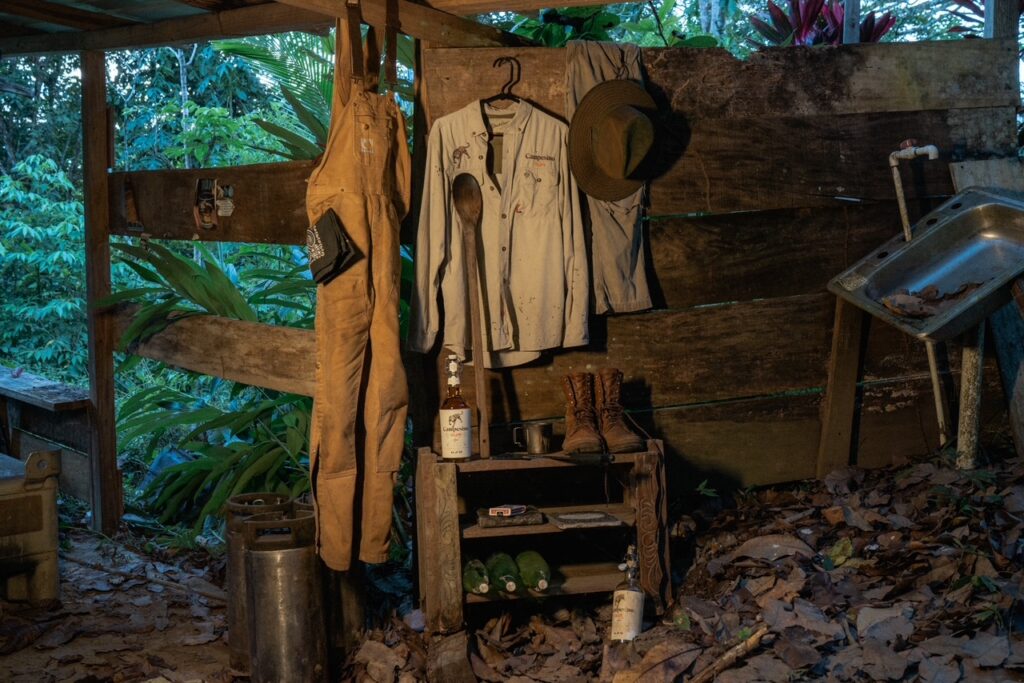
As a teenager, Smith traveled to Africa with his grandfather, and together picked up a few safari shirts and bush pants. He never really moved on from them.
“I’m really loyal to the things I hold onto and kinda build an attachment to them,” he says.
He has a personal rule not to buy clothes unless he absolutely has to, so most of what he owns stays in rotation far longer than expected—repaired, restitched and worn well past the point most people would replace them. Some of those original pieces are still around, carried through his twenties and patched so many times they’ve nearly fallen apart.
His boots followed a similar path. A pair of kangaroo hide boots became a constant, at times held together with duct tape and zip ties just to keep them going. Eventually, even those gave out—but not before becoming something of a signature.
That same instinct—to hold onto what works and refine it over time—carries through everything he does, including the way he approaches rum.
Building something that didn’t exist yet
(Ryan Valasek/Contributed)
When Smith eventually brought the idea for Campesino back to the U.S., there wasn’t a clear blueprint for how to turn that experience into a business. So he approached it the same way he had everything else: through connection.
“Campesino started as a one-man operation,” he says. “That first year, I was in bars seven nights a week, just meeting people and building relationships.”
Instead of relying on a rollout strategy, he built the brand person by person, bar by bar—showing up, telling the story and letting it grow from there. Birmingham, he says, made that possible. “That support early on was everything,” he says. “It allowed the brand to get off the ground.”
The momentum wasn’t linear. Expansion into new markets, a tornado during his time in Nashville, and the shutdown of the service industry during COVID all hit within a short span.
Rather than step back, he leaned further into the relationships he’d built. “We worked with bars and restaurants to create meal programs,” he says. “We’d pay them to make food for service industry workers and first responders. It really strengthened those relationships.”
By 2021, the shift was undeniable. “We went from having almost no business to record sales,” he says.
Changing how people think about rum
(Ryan Valasek/Contributed)
If Campesino’s origin is unconventional, so is its philosophy.
“Most people don’t realize that a lot of rum has additives—coloring, sweeteners, glycerin,” Smith says. “There are very few regulations compared to something like bourbon.”
That realization started earlier, when he noticed how different his own batches tasted compared to what he encountered elsewhere. “When I was making rum in the jungle, I noticed it tasted completely different,” he says. “That’s what pushed me to start asking questions.”
The result is a product built around transparency—no added sugar, no artificial coloring, just the natural character of the spirit.
That approach has started to gain wider recognition. Earlier this year, Campesino earned Double Gold at the Wine & Spirits Wholesalers of America’s Annual Tasting Competition, receiving a 98-point rating in a blind judging—an award reserved for entries that earn unanimous gold scores from every judge.
The recognition places Campesino among a small group of producers acknowledged for both quality and execution, reinforcing the same principles that shaped the brand from the beginning.
The lineup reflects that same thinking—one expression designed for cocktails, another aimed at bourbon drinkers looking for something familiar but different. “Aged rum is a great bridge,” he says. “There’s a natural crossover there.”
More broadly, he sees Campesino as an entry point. “We want to introduce people to what rum can actually be,” he says.
A shift in pace
(Ryan Valasek/Contributed)
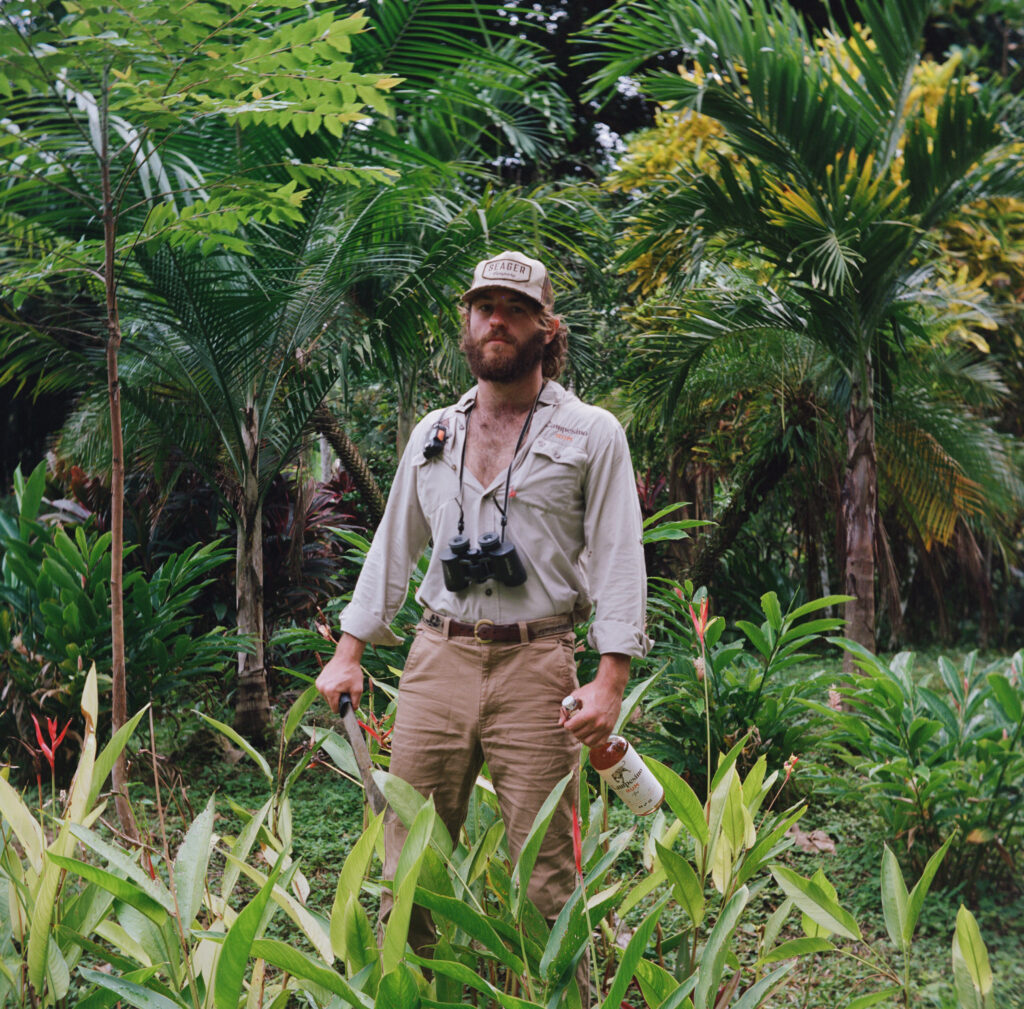
For someone who built a life—and a brand—on movement, slowing down didn’t come naturally. It had to be forced.
Breaking his femur during a BASE jump became that moment. Recovery meant starting over in ways he hadn’t before—and sitting still long enough to reconsider the pace he’d been keeping.
“I had to rebuild my leg and relearn how to walk,” he says. “It changed everything.”
It also forced a shift in how he approached Campesino. What had been a one-man operation, fueled by constant motion and presence, suddenly required a different kind of discipline.
“I realized I couldn’t keep running it that way,” he says.
There’s still a tension between the two: between adventure and caution, between pushing boundaries and settling into a routine. The same instinct that pulled him into the jungle—the need to go further, to figure things out firsthand—hasn’t gone anywhere.
Smith doesn’t fit neatly into the image Alabama tends to project. There’s no polish for the sake of appearances, no interest in softening the edges. What drives him is something more direct: passion, curiosity, and a willingness to push past what’s comfortable, even when it comes at a cost.
And Campesino reflects that—formed through hard-earned experience, tested over time, and carried forward on its own path.
(Ryan Valasek/Contributed)
Want more stories like this? Join our newsletter for more stories rooted in Alabama, delivered to your inbox every Friday.