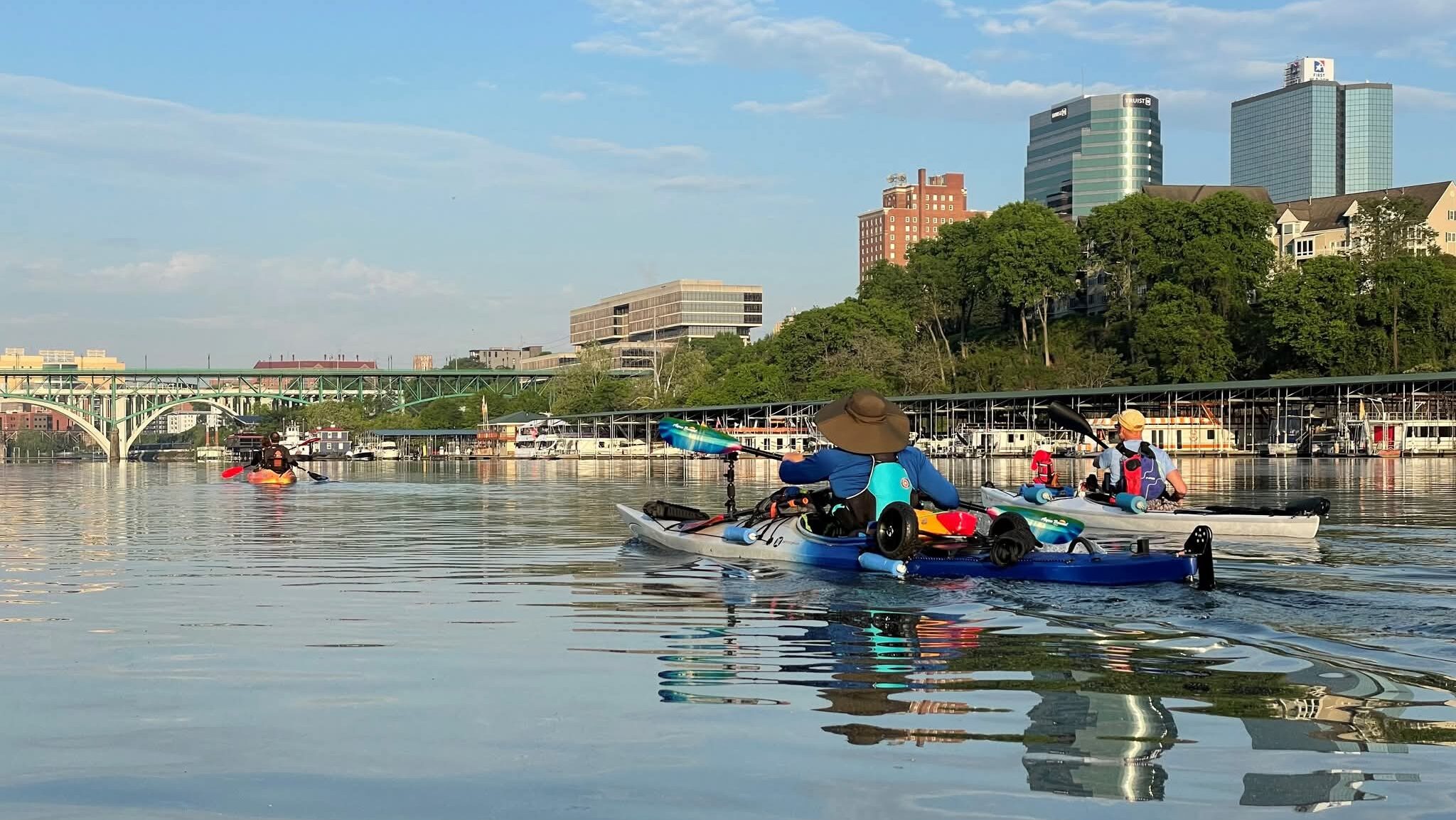
For 38 days, TJ Johnson woke early as the Tennessee River lay glassy and still, packed his kayak, and pushed farther downriver. By the time he reached Paducah, Kentucky, he had paddled the full 652 miles of the river system stretching from Knoxville through four states and dozens of communities—an experience that reshaped not only how he viewed the river, but also the people connected to it.
What started as an ambitious outdoor challenge quickly became something much more personal. Johnson, a conservation biologist who moved to Alabama in 2020, said the trip offered a rare chance to slow down and experience the Tennessee River Valley from the water itself rather than from highways or overlooks. Day after day, he traveled through urban waterfronts, quiet backwaters, towering bluffs, and remote stretches of undeveloped shoreline, discovering how each community along the river carried its own identity while remaining tied together by the same waterway.
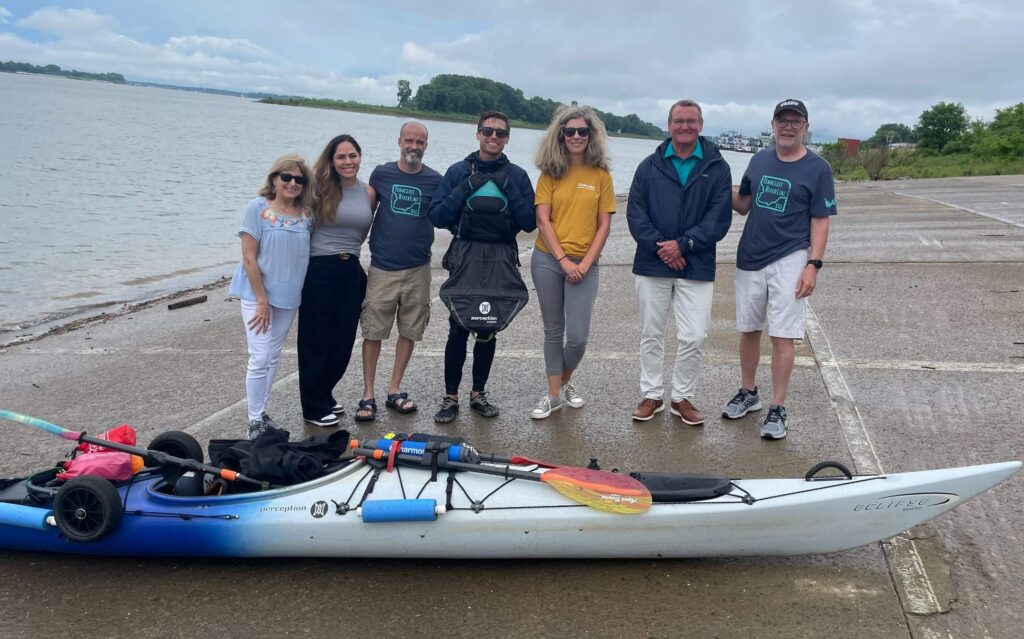
(TJ Johnson/Contributed)
Connecting Communities Through the River
The journey grew out of Johnson’s work with the Tennessee RiverLine, a regional initiative that envisions the Tennessee River as a continuous system of outdoor recreation experiences spanning 1.2 million acres. The RiverLine connects communities along the river through paddling, hiking, biking, camping, fishing, birding, and public access projects while promoting conservation, tourism, economic development, and public health across the region.
Johnson said his connection to the project began shortly after arriving in Alabama, when he attended a Tennessee RiverLine launch event and paddled on the river for the first time.
“I was enchanted by how we were in this urban landscape, but once I got on the water, it felt like I was transported somewhere completely different,” he said. “It felt intimate and unplugged.”
That first experience helped him understand the larger vision behind the RiverLine—not simply as a recreation initiative, but as a way to reconnect people with the river and with one another. Eventually, the idea of paddling the entire river emerged as a way to better understand both the landscape and the communities helping shape its future.
“I was excited by the possibility of getting to know the river and the communities better,” Johnson said. “I pitched the trip to my boss, she supported it, and then I immediately thought, ‘What have I gotten myself into?’”
Life Along the Water
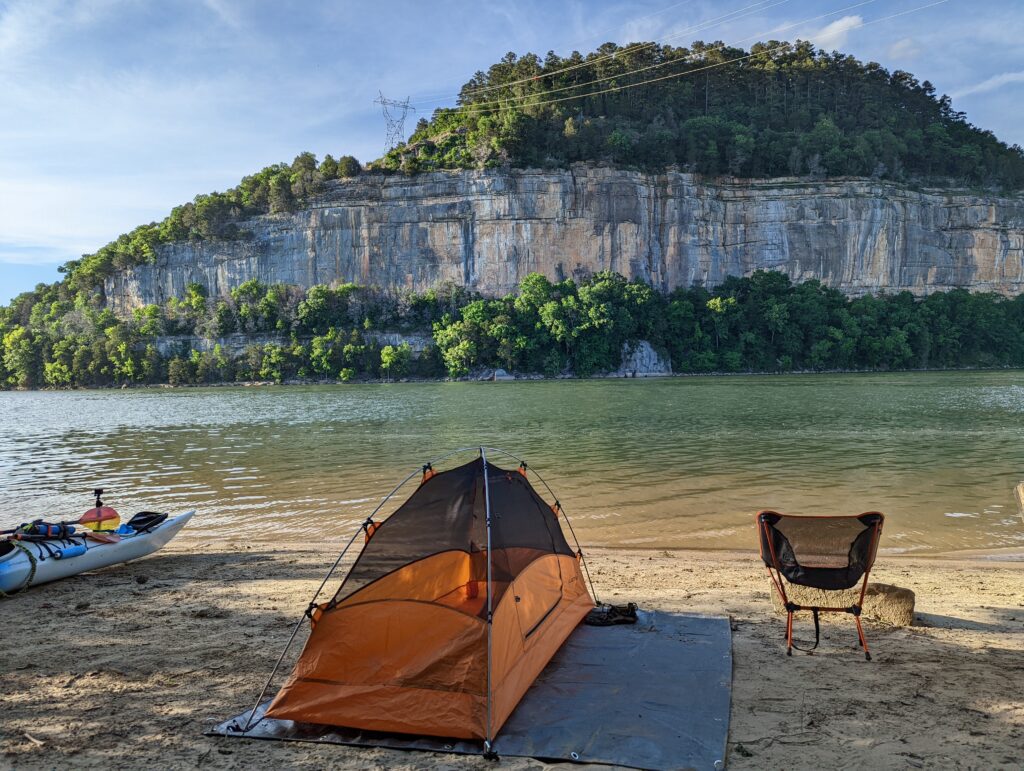
(TJ Johnson/Contributed)
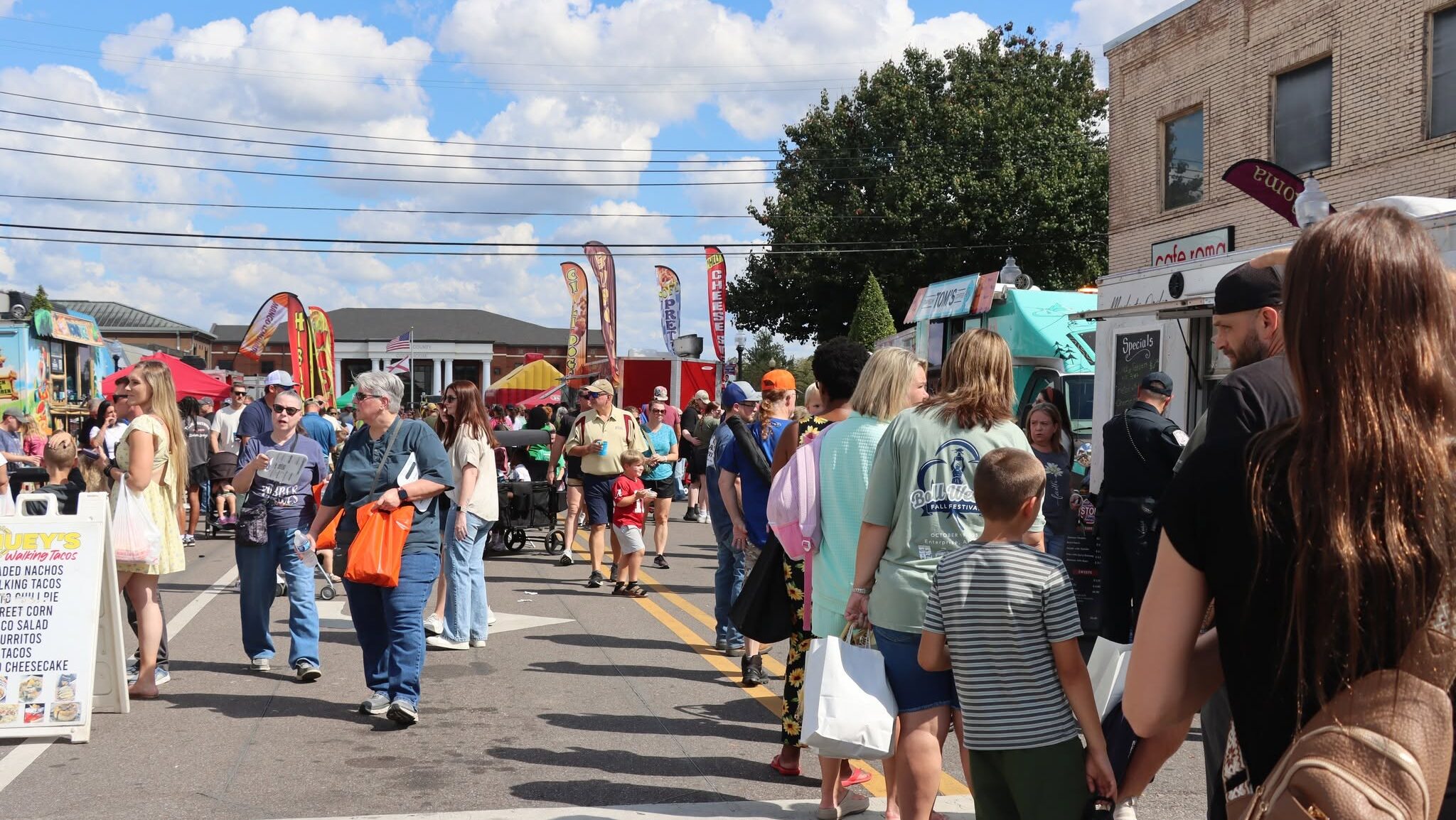
As the miles accumulated, Johnson said the river revealed itself less as a dividing line and more as a connector. Each section of the journey brought dramatic shifts in scenery and atmosphere. Knoxville and the Shoals felt lively and civic-minded, where the river served as a centerpiece of community life, while sections like the Tennessee River Gorge offered isolation, steep cliffs, and a feeling of complete remoteness.
“Every section of the river felt like a different place,” he said. “You had urban waterfronts where the river feels like a shared civic space, but then there were places that felt wild and dramatic.”
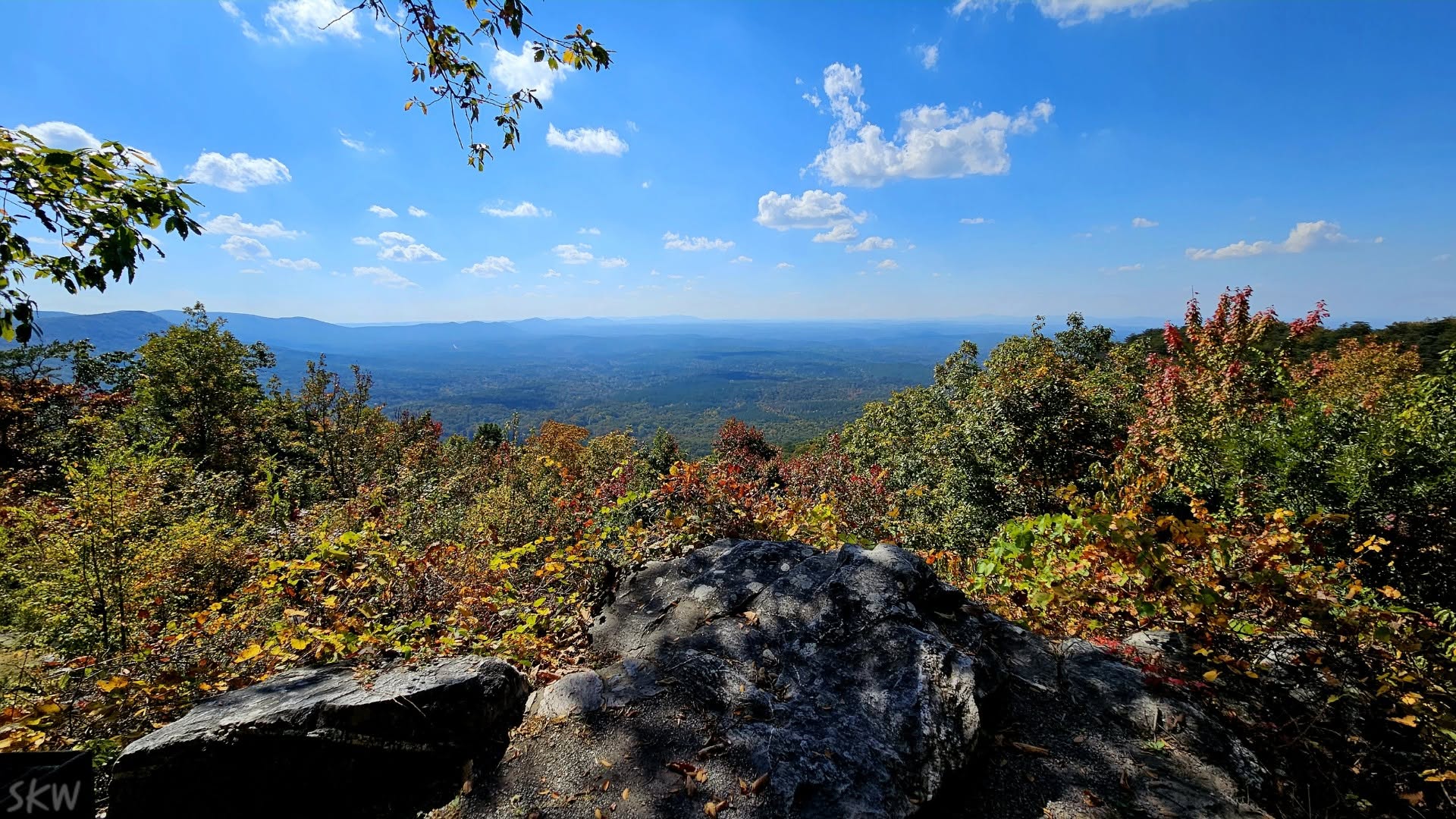
Some of the most memorable moments came during the quietest parts of the trip. Johnson recalls paddling through fog-covered water before dawn, watching bald eagles and osprey overhead, and camping beside stretches of shoreline so isolated they felt untouched.
“One of my hardest days was paddling 33 miles through Guntersville,” he said. “But that night I stopped near the Painted Bluffs, and honestly it might’ve been one of the most beautiful places I’ve ever seen. The moon hit the bluffs perfectly that night.”
The People Who Defined the Journey
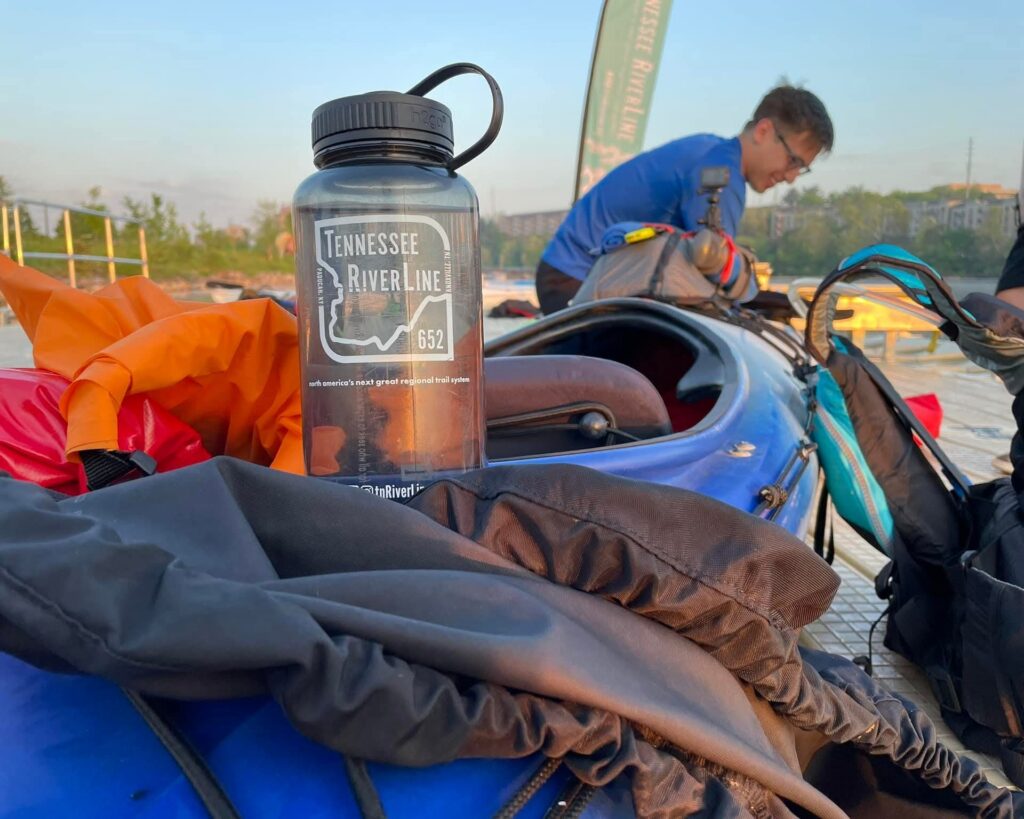
(TJ Johnson/Contributed)
Despite the scenery, Johnson said the people he encountered became the defining part of the experience. Having only recently moved from California to the South, he said he was overwhelmed by the generosity he experienced in river communities along the route. Strangers brought him meals, invited him into their homes, and organized paddling events around his arrival.
“The trip really comes back to the unexpected people,” Johnson said. “I was overwhelmed by people’s kindness and how much they wanted to be part of the trip.”
In Bridgeport, Alabama, local paddlers organized a gathering to meet him on the water and spend the evening together along the riverbank. Johnson said moments like those became emotional reset points during the physically demanding expedition. “It recharged me—not just physically through the food, but mentally and emotionally too,” he said.
The experience ultimately deepened Johnson’s understanding of the Tennessee RiverLine’s mission and the communities driving it forward. While the initiative works to expand public access and recreation infrastructure across the river corridor, Johnson said the project’s success depends on the people who have chosen to invest in their own stretches of riverfront.
“The RiverLine isn’t successful because of staff members,” he said. “It’s successful because communities themselves decided the river matters.”
Staying Connected to the River
Years after completing the paddle, Johnson said the experience still shapes how he understands both his work and his place in the region. What began as a temporary visit to Alabama has become a long-term commitment to the landscapes and communities along the Tennessee River—shaped as much by the people he met along the way as by the water itself.
For him, the river is no longer just something to travel across or work alongside, but something that links places and people in a shared thread of experience—from quiet morning paddles in fog to small-town gatherings on riverbanks where strangers became part of the journey.
“I may have started by paddling the river,” he said, “but I stayed here because of the people I get to work with to bring the river to life. The Tennessee River connects us by water, but it’s the people who connect you to what it means to be here.”
For more stories like this, subscribe to our newsletter and get the best of Alabama delivered to your inbox every Friday.