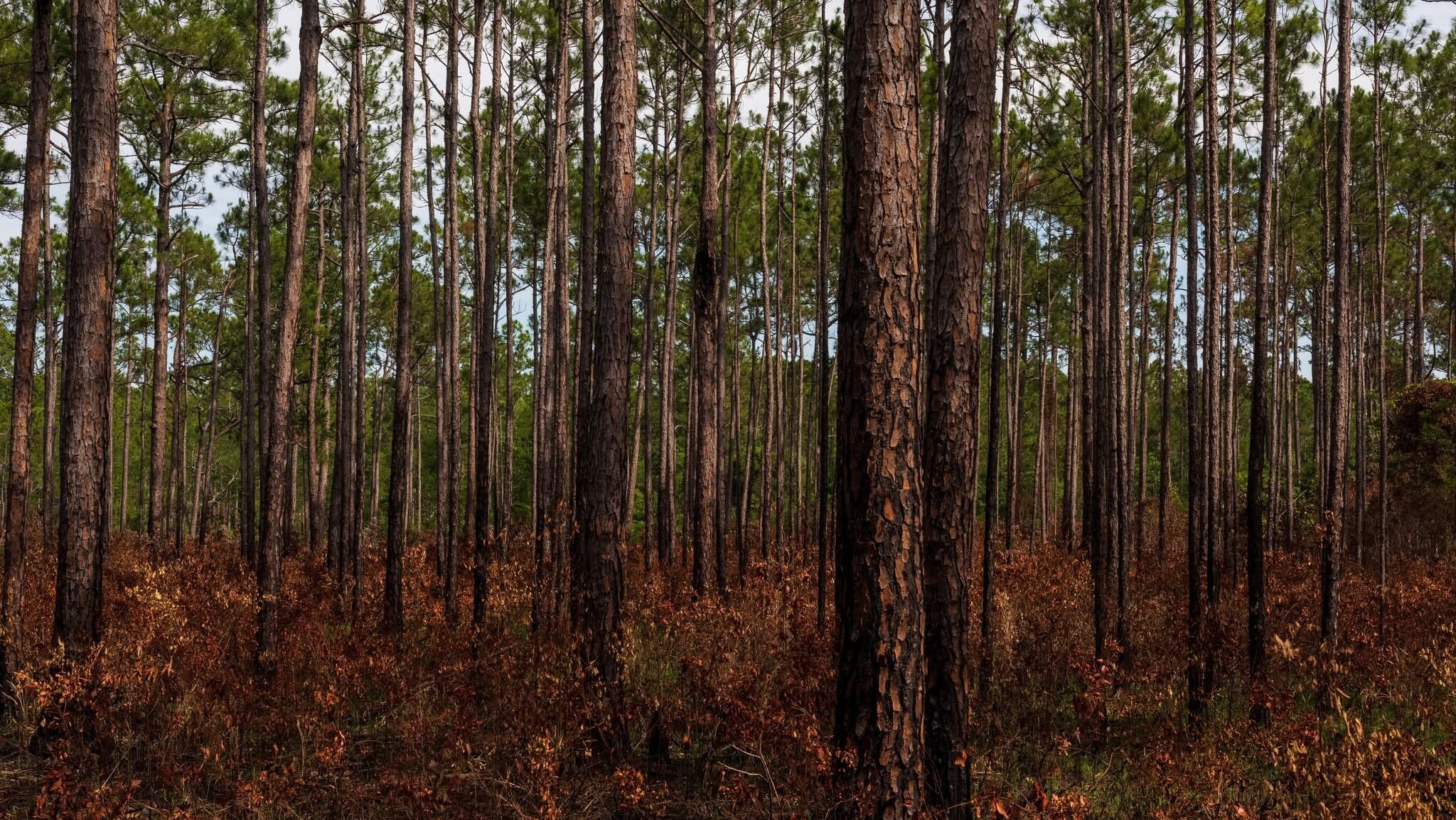
Few trees have shaped Alabama more than the longleaf pine. Towering more than 100 feet tall, with needles that can reach nearly 18 inches in length, these iconic trees are a familiar sight across much of the state.
Because they are such a defining part of Alabama’s landscape, it is easy to assume they have always been here—and always will be. But that is not the case. Longleaf pine forests once covered much of Alabama, yet over time they nearly disappeared.
Their ongoing restoration has become one of the South’s greatest conservation success stories.
More Than Just a Tree
To understand why the longleaf pine matters, it helps to understand the remarkable ecosystem it supports.
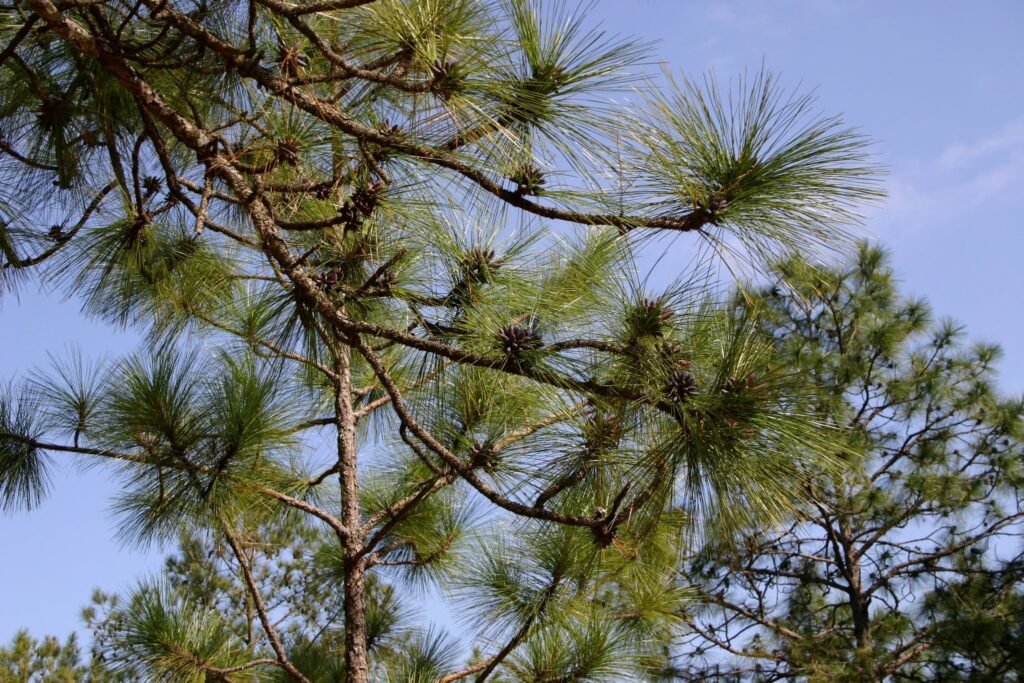
(Plant Atlas/Facebook)
Longleaf pine forests are among the most biologically diverse ecosystems in North America. Hundreds of plant species can thrive beneath their open canopy, and countless wildlife species depend on these forests for survival.
The red-cockaded woodpecker, bobwhite quail, gopher tortoise and eastern indigo snake are just a few of the animals that rely on longleaf pine habitat. In turn, many of these species help keep the forest healthy.
Take the eastern indigo snake, for example. Reaching lengths of up to 8½ feet, it may look intimidating, but it plays an important role as an apex predator. It helps control populations of rodents such as rats, mice and squirrels, which would otherwise feed on longleaf pine seeds and young seedlings, limiting the forest’s ability to regenerate.
The indigo snake also preys on venomous species, including copperheads, cottonmouths and rattlesnakes. In that sense, it not only helps maintain a healthy forest—it also helps make it a safer place for people and wildlife alike.
Each species plays a role, creating an ecosystem where plants and animals depend on one another.
Another surprising fact about longleaf pine forests is that, unlike many forests, they actually depend on fire. Carefully managed prescribed burns remove competing vegetation, recycle nutrients and maintain the open, sunlit landscape that allows longleaf seedlings and native plants to flourish.
Alabama’s Signature Tree
Longleaf pine forests once stretched across more than 90 million acres throughout the Southeast, covering much of Alabama. Individual trees can live for several centuries, making them among the longest-lived pines in North America.
For generations, longleaf pines have been prized for their exceptionally strong timber, pine straw and resin. Beginning in the late 1700s, settlers harvested them to build homes, barns, ships and railroads.
Following the Civil War, Alabama’s vast longleaf forests became an important part of the state’s economic recovery. Beginning in the 1880s, timber companies expanded into Alabama, creating jobs for thousands of people during what became known as the Timber Boom.
Nicknamed “Southern Yellow Iron” because of its remarkable strength, longleaf pine helped build the factories, textile mills and warehouses that powered America’s Industrial Revolution.
But decades of intensive logging, combined with changing land use and fire suppression, came at a cost. By the early 20th century, roughly 95% of the original longleaf pine ecosystem had disappeared.
Recognizing the tree’s importance to Alabama’s history and identity, state lawmakers designated the longleaf pine as Alabama’s official state tree in 1949. The designation helped draw attention to a landscape that many feared might be lost forever.
Alabama’s Conservation Success
Beginning in the 1950s, the story of Alabama’s longleaf pine forests shifted from decline to recovery.
Conservation organizations, foresters, government agencies and private landowners began working together to restore one of the state’s defining ecosystems—an effort that continues today.
Through prescribed fire, longleaf seedling plantings and habitat restoration projects, hundreds of thousands of acres have been restored across Alabama. As the forests recover, so do the wildlife species that depend on them. Populations of animals such as the red-cockaded woodpecker and the gopher tortoise are becoming healthier as more suitable habitat returns.
Today, the restoration of the longleaf pine stands as one of Alabama’s greatest conservation achievements—and one that is still unfolding. Thanks to decades of collaboration and stewardship, the quiet whisper of the longleaf pine is once again becoming a familiar sound across the state.
Never miss a story. Subscribe to our newsletter and get the best of Alabama delivered to your inbox every Friday.