Every October, Birmingham becomes the center of the HBCU world for a weekend.
By eight in the morning, bands are marching through downtown Birmingham. Tailgate smoke rises around Legion Field, alumni embrace classmates they haven’t seen since the previous year, and trumpet sections warm up for a showdown that has nothing to do with the scoreboard.
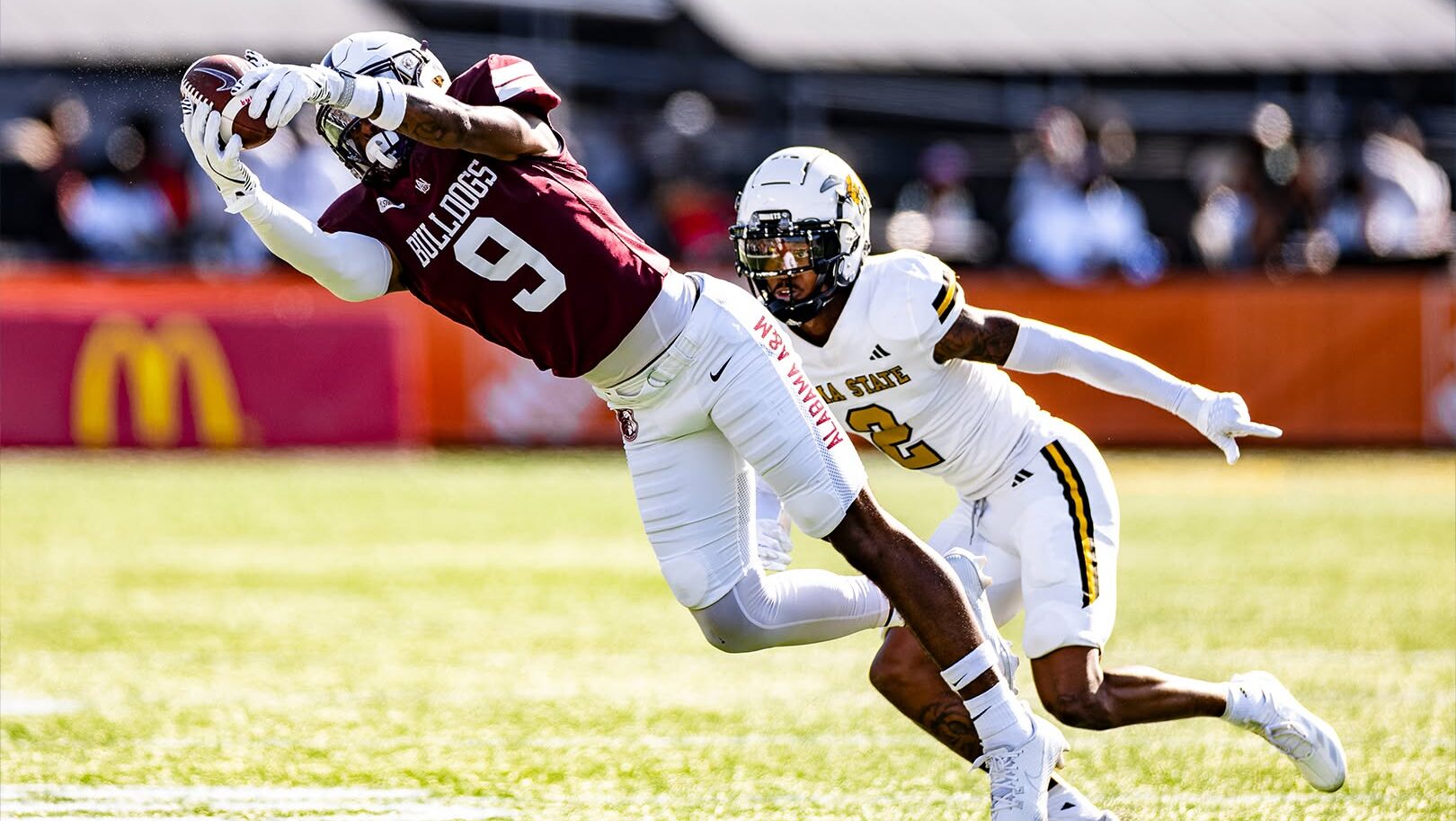
This is the Magic City Classic, or simply the Classic, and on Saturday, October 31, it returns to Legion Field for its 85th annual matchup. Yes, it is a football game. But anyone who has attended will tell you it is also a family reunion, a homecoming, and a celebration of what two historic universities mean to Alabama.
How It Started
The rivalry between Alabama A&M University and Alabama State University dates to 1924, when the schools first met on the football field. The game moved to Birmingham’s Legion Field in 1940 and became an uninterrupted annual tradition in 1945. Today, the matchup brings alumni and fans from Huntsville, Montgomery, and beyond to a neutral site in the Magic City.
Known as the “Old Gray Lady,” Legion Field holds approximately 71,000 fans. The Magic City Classic is widely recognized as the largest HBCU football classic in the country, attracting roughly 60,000 people annually, with organizers estimating around 200,000 participants across the broader event. Over the decades, the matchup has become a signature occasion for Birmingham, the city whose nickname inspired its name.
A Weekend, Not Just a Game
(Magic City Classic/Facebook)
The football game is only one part of the Classic. Festivities throughout the week include concerts, parties, alumni gatherings, and other community events. On game day, bands and dance teams from both universities take over downtown Birmingham for a parade that draws crowds of spectators, public figures, and visitors from across the state.
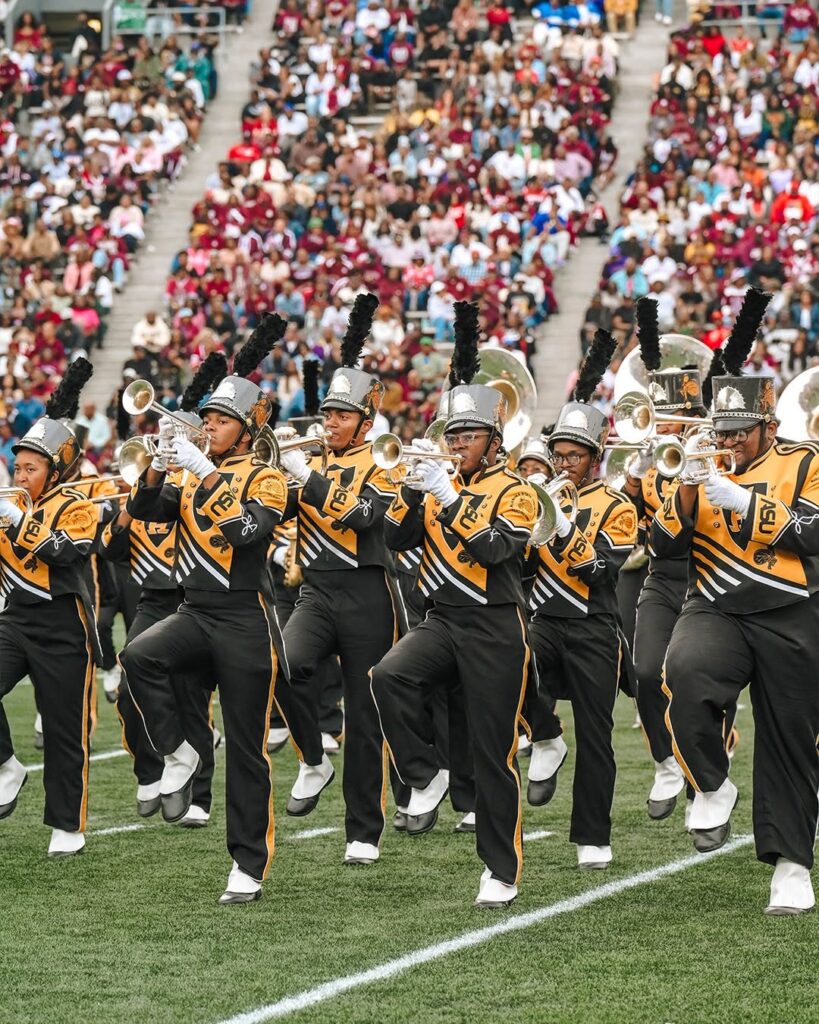
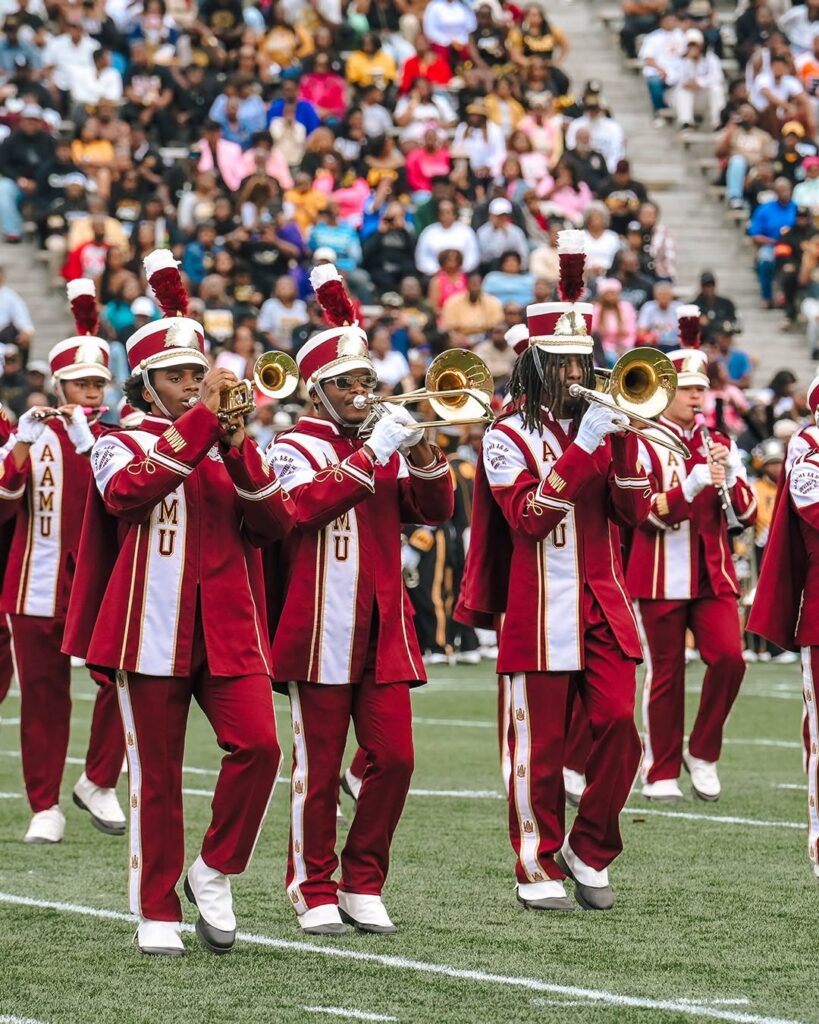
Then there’s the Battle of the Bands. At halftime, Alabama A&M’s Marching Maroon & White and Alabama State’s Mighty Marching Hornets go head to head in front of a packed stadium, trading songs and routines in a showdown that rivals anything on the field.
Jamal Ali, vice president for Marketing, Communication & Advancement at Alabama A&M, described the weekend’s significance this way: “The Classic is homecoming in its truest sense. The game is our centerpiece, the real story is the activity that happens around the game.”
HBCU band culture is an art form of its own, and many fans look forward to the halftime show as much as kickoff. The Mighty Marching Hornets have a long history of performing on national stages, including halftime appearances during nationally televised professional football games in 1967 and 1969.
Ali also reflected on the traditions that made an impression on him growing up.
“The traditions surrounding the game are an important part of the fabric of the HBCU culture. As early as 8 years old, the precision of the band was etched into my mind. It all ties into it. The tailgating is a place you will run into classmates and friends. Every aspect of the weekend is an opportunity for alumni, friends, family, to reignite the flame of friendship and philanthropy.”
Built on a Mission
(Magic City Classic/Facebook)
One of the most important parts of the Classic is what the two universities represent.
Alabama State traces its origins to 1867, when nine formerly enslaved men known as the Marion Nine raised money to establish a school for Black Alabamians. The institution, originally called Lincoln Normal School, opened in Marion before moving to Montgomery in 1887.
The university later became closely connected to the civil rights movement. In 1955, Alabama State College English professor Jo Ann Gibson Robinson and other members of the Women’s Political Council helped organize the Montgomery Bus Boycott. Following Rosa Parks’ arrest, Robinson worked through the night with two students and a fellow faculty member to produce and distribute thousands of leaflets announcing the planned protest. The boycott became a pivotal moment in the civil rights movement.
Alabama A&M was founded in 1875 by William Hooper Councill, a formerly enslaved man who became an educator and school leader. The institution opened as Huntsville Normal School with 61 students and two teachers. It later became a land-grant university and celebrated its 150th anniversary in 2025.
Each year, the Classic brings national attention to the universities and welcomes alumni back to the institutions that helped shape their lives. Scholarship fundraising and mentorship opportunities connect the festivities to students’ futures, making giving and community involvement part of the weekend’s larger purpose.
“Our students get a chance to see the connections the alumni have, it inspires them, and mentorships are formed,” Ali said. “We make giving (to the school, scholarships, etc.) part of everything we do, it gives purpose to all the fun. This gives the students a chance to see the important aspect of giving.”
What an Education Here Can Do
The universities’ alumni demonstrate the many directions an education can take someone.
(John Stallworth Foundation/Facebook)
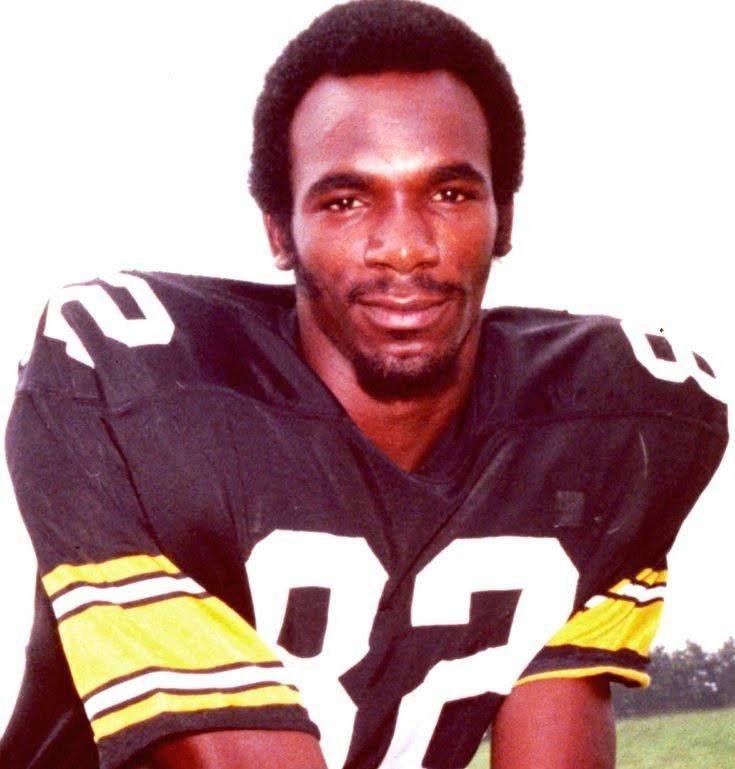
Among Alabama A&M’s best-known graduates is John Stallworth, a Pro Football Hall of Famer who won four Super Bowls as a wide receiver for the Pittsburgh Steelers. Football, however, was never his only ambition. Stallworth earned a business degree in 1974 and an MBA in 1986 before founding the government contracting firm Madison Research that same year.
In 2024, the John Stallworth Foundation established a $1.2 million endowment at Alabama A&M to provide tuition assistance for academically gifted students. His career and continued investment in the university illustrate how alumni can extend their impact well beyond their years on campus.
Alabama State has its own roster of accomplished graduates. Tarvaris Jackson, a quarterback drafted in the second round by the Minnesota Vikings in 2006, later earned a Super Bowl ring with the Seattle Seahawks.
In business, Mike Kemp, founder and CEO of Birmingham-based Kemp Management Solutions, became the first Black chairman of the Business Council of Alabama in 2022.
The university’s alumni also include civil rights leaders such as Ralph Abernathy and attorney Fred Gray, whose work helped shape the movement for racial justice. Their legacies reflect the far-reaching influence of an education that extends beyond the classroom and into communities across the country.
A Tradition That Keeps Going
This year, the parade begins at 8 a.m. in downtown Birmingham, followed by hours of tailgating before kickoff at 2:30 p.m. at Legion Field. The scoreboard will determine which team takes home bragging rights, but the story of the Magic City Classic has always extended beyond the final score.
Ali described the event as an invitation that alumni and fans can count on year after year.
“It’s a standing invitation to come home. A saying people have is, ‘Are you coming to homecoming, or more importantly, to the Classic?’”
The answer, for generations of families, has been yes. They return to the same stadium, reconnect with friends, introduce younger generations to traditions, and celebrate two universities whose influence reaches far beyond the football field.
For nearly a century, the Magic City Classic has brought people together around football, fellowship, and the enduring legacy of Alabama’s HBCUs. That tradition continues this October.
For more stories like this, subscribe to our newsletter and get the best of Alabama delivered to your inbox every Friday.