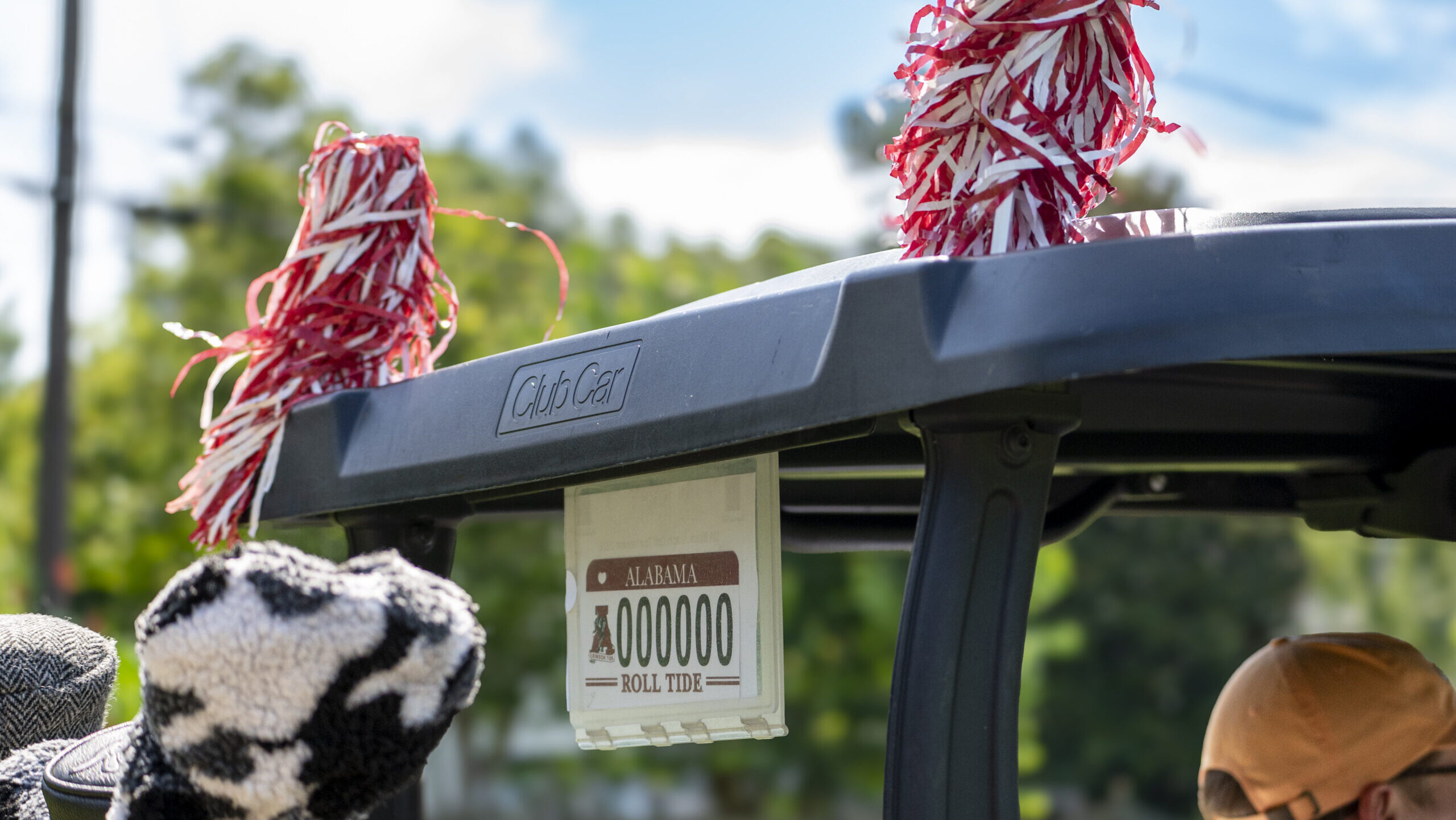
Last weekend, The Malone Society hosted their 5th Annual Charity Golf Tournament at Highland Park in Birmingham, continuing a tradition that has grown from a simple idea between friends into one of the more meaningful fundraising events in The University of Alabama alumni community.
The sound of old friends reconnecting, alumni swapping stories from their days in Tuscaloosa, and business leaders catching up between tee shots echoed across Highland Park. At first glance, the Malone Society’s Annual Charity Golf Tournament looked like hundreds of similar fundraising events held across Alabama each year. But if you listened closely, another theme emerged. People weren’t just talking about the past; they were talking about the students coming next.
The Tournament’s Growth and Purpose

(Cunningham Photography / Contributed)
The tournament has grown from a simple idea between friends into one of the Malone Society’s signature fundraising events. What began as conversations between the event’s founders, Derek Cunningham and Geoff Patton, while planning their annual football tailgate has evolved into a growing alumni event focused on scholarships, mentorship, networking opportunities, and student support.
“We have a mission to create meaningful spaces for our alumni to get together,” said Derek Cunningham, Immediate Past President & Tournament Chairman. “But greater is that we have a responsibility to help impact those who walk through the doors behind us.”
The early days weren’t guaranteed. They were concerned about sponsorships, participation, and whether they could generate enough support to justify the effort. The first tournament attracted around 60 golfers and approximately $10,000 in sponsorship support. Today, the event draws nearly 80+ golfers and has secured backing from larger sponsors across the state.
But for members of the Malone Society, the true measure of success is their impact. That mission traces its roots back more than six decades to the woman whose name the organization proudly carries.
Carrying a Legacy
On June 11, 1963, Vivian Malone Jones arrived at The University of Alabama, determined to enroll in the School of Commerce and Business Administration. Waiting for her was Governor George Wallace, flanked by state troopers, standing in the entrance of Foster Auditorium in what would become one of the defining moments of the Civil Rights Movement.
After federal intervention cleared the way, Malone entered the university and stayed focused on the reason she came in the first place: earning an education. Two years later, she became the first African American graduate of The University of Alabama, earning a degree in business management.
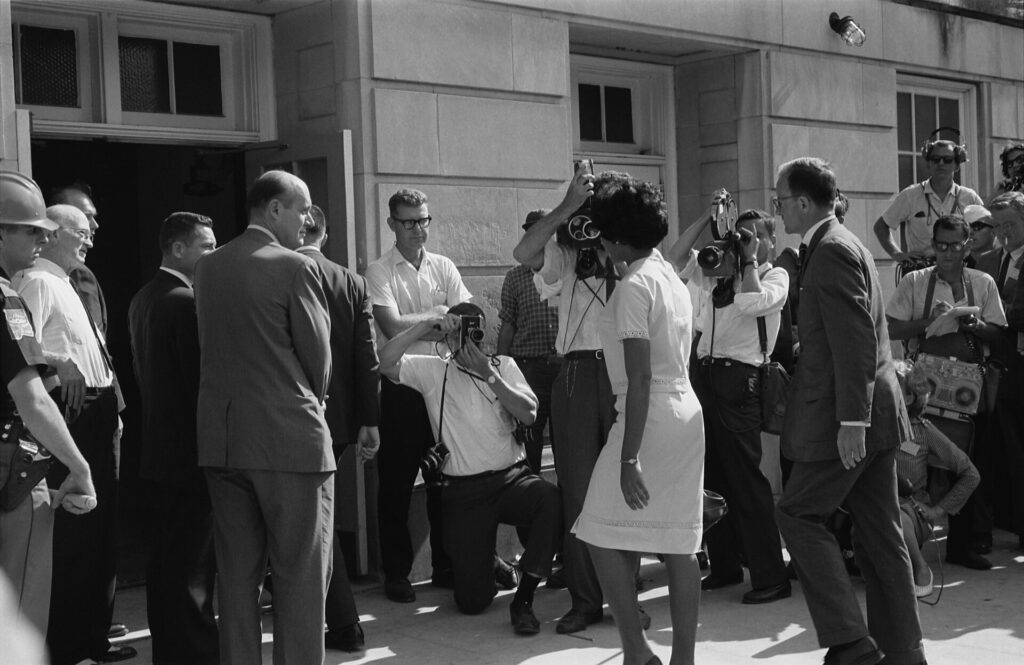
(Wikimedia Commons/Public Domain)
When asked later in life about the courage she displayed, Malone offered a remarkably simple response. She said her mind was focused on “going to class and doing the best I could.” That humility continues to shape the organization that bears her name.
Today, the Malone Society exists to ensure students have access not only to educational opportunities, but also to the relationships and resources that help them succeed once they arrive on campus. Scholarships remain a core focus, particularly for minority students, but members say financial assistance is only one piece of the puzzle.
Opening Doors for the Next Generation
The organization also funds mentoring programs for undergraduate students, outreach initiatives for high school students, leadership development opportunities, and networking events designed to connect students with professionals who can help guide their futures.
Throughout the year, the Malone Society hosts events that strengthen those connections. Programs like Houndstooth & Heels, alumni mixers, student mentoring initiatives, football weekend gatherings, scholarship programs, and the annual Malone Awards create opportunities for members to invest in one another and celebrate achievement across generations.
“The honorees and the finalists of the Malone Awards embody the excellence, leadership, and impact of UA graduates,” said President Ocie Fulford. “This inspires all of us to keep striving for that BAMA standard set by those who came before us.”
The Malone Awards, held alongside this year’s tournament weekend, highlight alumni from a wide range of backgrounds, industries, and age groups. The goal is not only to recognize accomplishment, but to showcase examples of leadership and service for younger generations to follow.
Many students arrive on campus carrying financial burdens, family responsibilities, and uncertainty about how to navigate college life. Sometimes what makes the difference is not simply a scholarship check, but having someone willing to answer a phone call, make an introduction, or provide guidance when challenges arise. That philosophy shapes everything the Malone Society does.
Members emphasize that their events are open to everyone, and that the organization’s goal is inclusion. Rather than creating barriers, they focus on building connections and helping students develop relationships that can support them both during college and long after graduation.
Vivian Malone’s story is often remembered as one of barriers being broken. The Malone Society focuses on what comes afterward. What happens after a student gets accepted and arrives on campus? What happens when they need mentorship, encouragement, professional connections, or simply someone who understands what they’re experiencing?
Those are the questions driving the organization’s work today.
As golfers packed up their clubs and award recipients took the stage this weekend, it became clear that the Malone Society is about much more than a tournament. It’s about ensuring that the opportunities Vivian Malone Jones fought so hard to access continue to grow for future generations. While history remembers the door she walked through, her greatest legacy may be the doors that continue to open because of it.