Birmingham has no shortage of music, but a new festival is hoping to create something the city has not had before: an electronic music event designed not only around the music, but around the community that can grow from it.
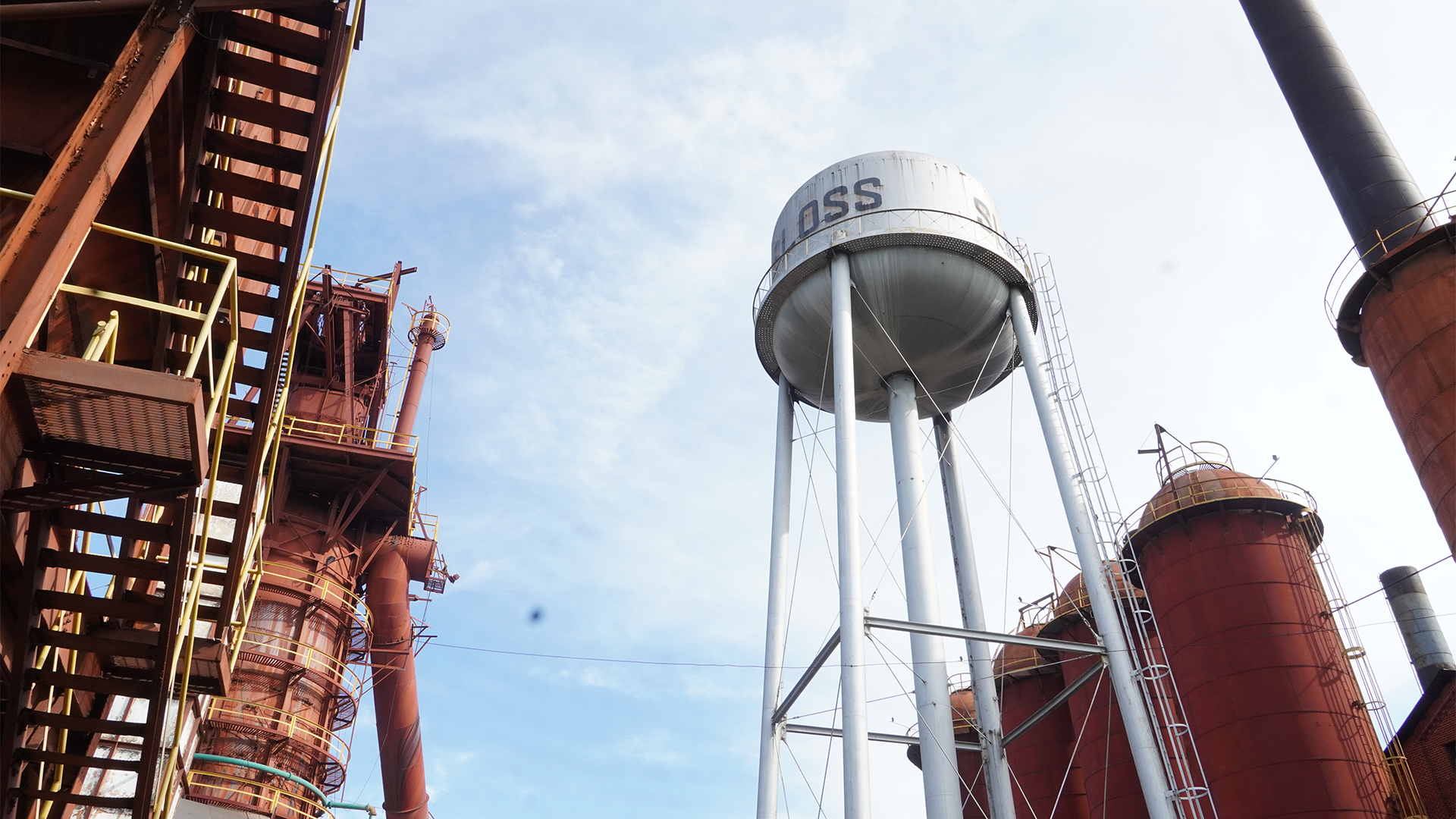
On Friday, Sept. 18, Sloss City Music Festival will make its debut at Sloss Furnaces, bringing national and regional electronic artists, 22 Birmingham DJs, two stages and a full evening of music and production to one of the city’s most iconic historic spaces.
For Henry Hardeman, who came to Birmingham from St. Louis to attend Samford University and went on to work in the entertainment industry, the festival is about more than putting another event on the calendar. It’s an opportunity to invest in the city he came to love and build something that could eventually become part of Birmingham’s identity.
Sloss City is envisioned as the beginning of a larger festival series, with the hope of eventually growing into a two-day event that draws both artists and audiences from across the Southeast. But for its first year, Hardeman says the goal is simple: create an experience that feels distinctly Birmingham, give local artists a place to grow, and bring people together around electronic music.
We talked with Hardeman about the inspiration behind Sloss City, why Sloss Furnaces was the only place it could happen, the importance of Birmingham’s electronic music community and his hopes for what the festival could become.
What inspired the creation of Sloss City, and what gap in Birmingham’s music scene did you hope it would fill?
(Jake Barton/Contributed)
I’m originally from St. Louis, but I came to Birmingham for Samford University and ultimately fell in love with the city. Over the last four or five years, I’ve worked throughout the entertainment industry, and during that time I watched Birmingham change pretty dramatically.
When I first got here, electronic music wasn’t nearly as prevalent in the nightlife scene. Over time, bars I was working with and promoting for increasingly started playing house and electronic music. At the same time, electronic music was becoming much more mainstream nationally and globally. Birmingham was also growing and attracting more young professionals, but I felt like the entertainment infrastructure wasn’t necessarily growing at the same pace.
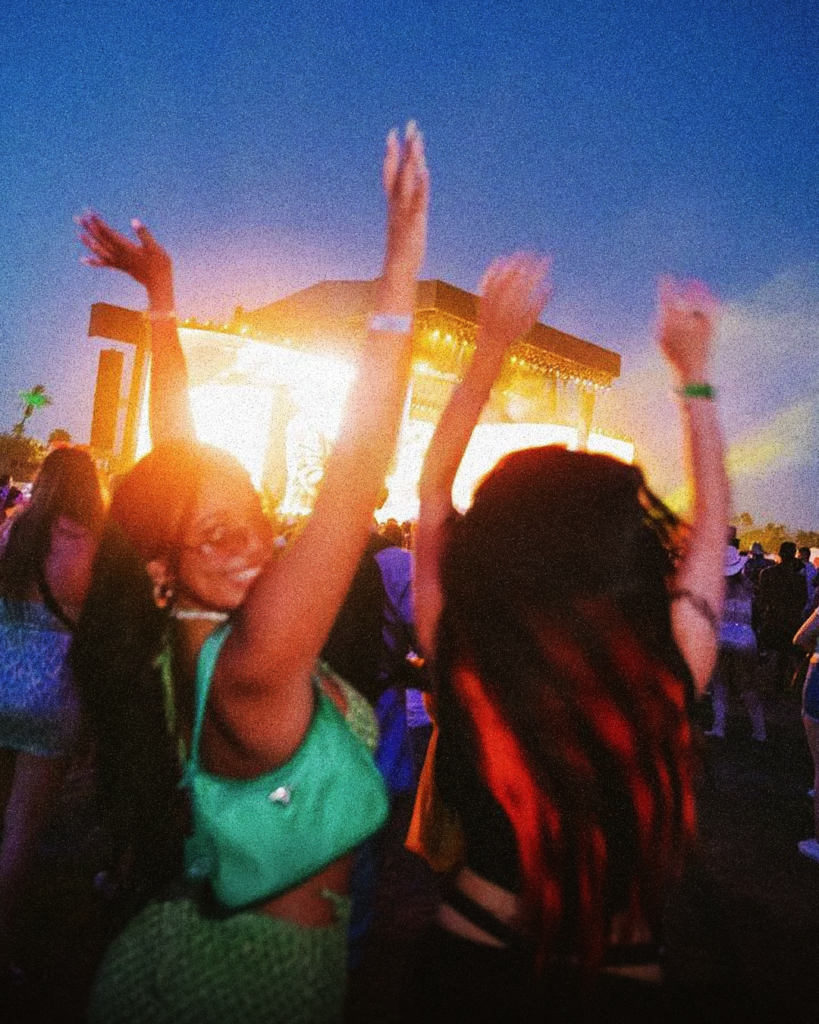
One thing I kept noticing was that there weren’t enough places for young adults to build community outside of college, church or work. Birmingham gets great concerts, but a traditional concert and a festival serve two very different purposes. A festival can become a gathering place and create a culture and community around it.
There was also a major hole left when Sloss Fest ended. Alabama has festivals along the Gulf Coast and plenty of concerts, but there really isn’t an established electronic music festival in Birmingham.
That combination made the opportunity pretty clear to us. We wanted to create something that could bring people together whether they’re already passionate about electronic music or experiencing it for the first time. Sloss City is our attempt to build that culture from the ground up and eventually create a festival Birmingham can call its own.
Why was Sloss Furnaces the right setting for an EDM festival, and how did the historic site influence the atmosphere or production?
(Jake Barton/Contributed)
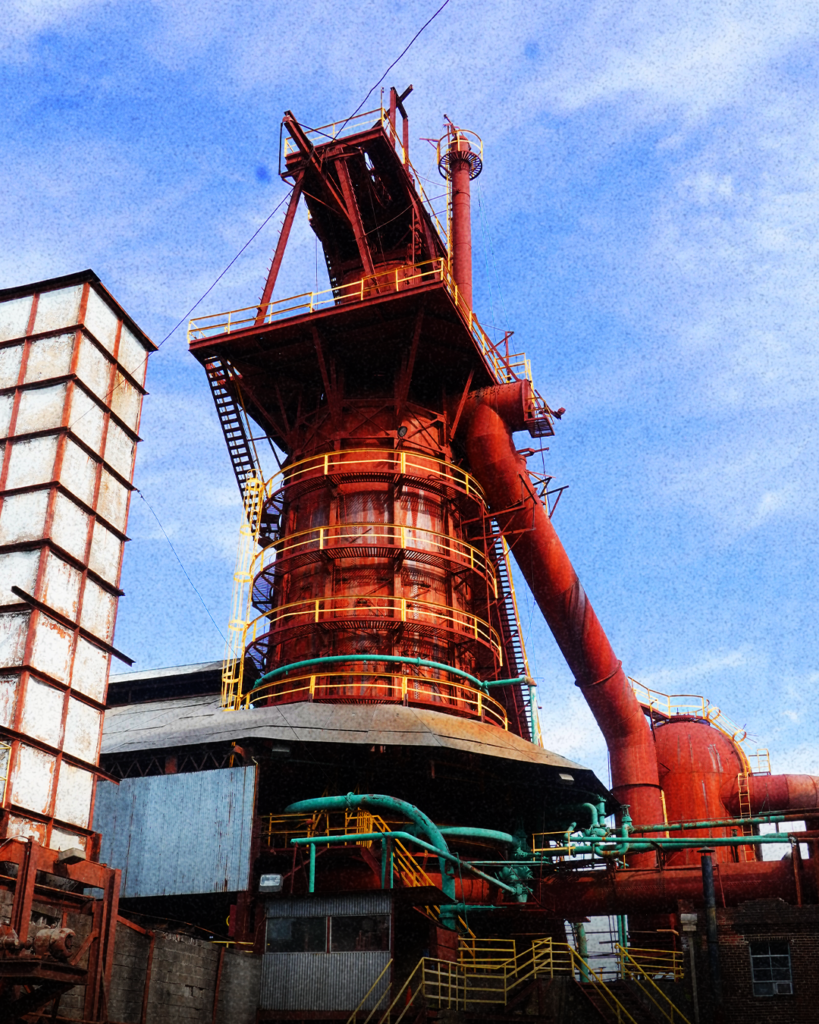
I genuinely think Sloss Furnaces is one of the most unique music venues in the country. You could put a photograph of it next to an industrial venue in Berlin or somewhere in Eastern Europe and it wouldn’t look out of place.
But what makes it even more special is that it couldn’t exist anywhere other than Birmingham. Iron is such an important part of why Birmingham became Birmingham. The city didn’t develop around a major river like many American cities did—it developed around the iron and steel industry. Sloss represents that history in a really tangible way.
From an electronic music perspective, the industrial aesthetic is also incredible. Putting LED walls, lasers, CO2 and large-scale sound production against the backdrop of the furnaces creates an atmosphere you simply can’t recreate in a conventional amphitheater.
When Sloss approached us about the possibility of building a festival there, we knew we had the production and talent-buying capabilities to make something happen. The more we looked at it, the more obvious it became that the venue itself should be part of the identity of the festival.
There are venues around the country—Red Rocks is probably the most obvious example—where the setting becomes inseparable from the event. That’s what excites me about Sloss. We don’t want people to feel like they’re attending an electronic festival that happens to be in Birmingham. We want them to feel like they’re attending something that could only happen in Birmingham.
How did you balance national acts with Birmingham’s local electronic music scene?
(Jake Barton/Contributed)
We were very intentional about how we built the lineup because our goal isn’t to make the first Sloss City as large as possible. Our goal is to build something sustainable that can become significantly larger over time.
We’ve seen first-year festivals enter markets with enormous talent budgets, try to immediately sell thousands and thousands of tickets, and then struggle to return. We’re approaching it in the opposite direction. Sloss City is planned as a three-event mini-festival series that we can progressively scale, with the goal of ultimately developing it into a much larger two-day festival.
On the main stage, we wanted national and regional artists who are already accomplished but also have significant upside in their careers. Henry Fong was a great fit as our headliner because he has been a major name in bass house while also being extremely versatile stylistically. Then we have emerging artists such as Mattilo and Shankz, alongside Donny Graves, James Tribe, Smokes, Keri Keller, 2Checks and Rachi. Collectively, that gives us artists from different markets and different areas of electronic music rather than building the entire lineup around one sound.
But the local stage is equally important to the concept.
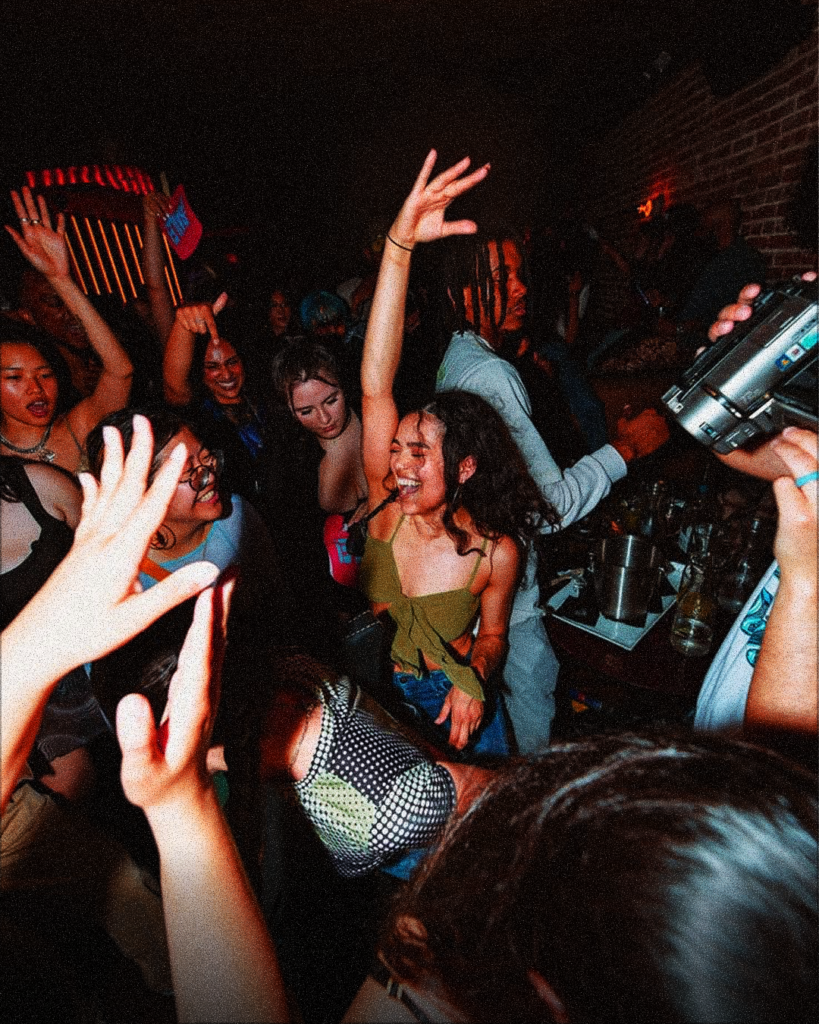
We created 11 back-to-back sets featuring 22 local DJs. The B2B format allowed us to showcase significantly more Birmingham talent while also creating combinations and sets people wouldn’t normally see.
We also wanted the local artists to actually participate in building Sloss City rather than simply being names at the bottom of a flyer. The DJs who contribute the most—through ticket sales, promotion, content and genuinely helping grow the festival—have the opportunity to earn a main-stage slot.
The bigger vision is that as Sloss City grows, some of those artists grow alongside it. If someone plays our local stage this year and develops their career over the next several years, I’d love to eventually see them much higher on the lineup. We want Sloss City to be a platform for Birmingham’s electronic scene, not just a festival that comes into Birmingham once a year.
Beyond the music, what can attendees expect from the festival, and are there any food, art, local business or immersive elements you are especially excited about?
(Jake Barton/Contributed)
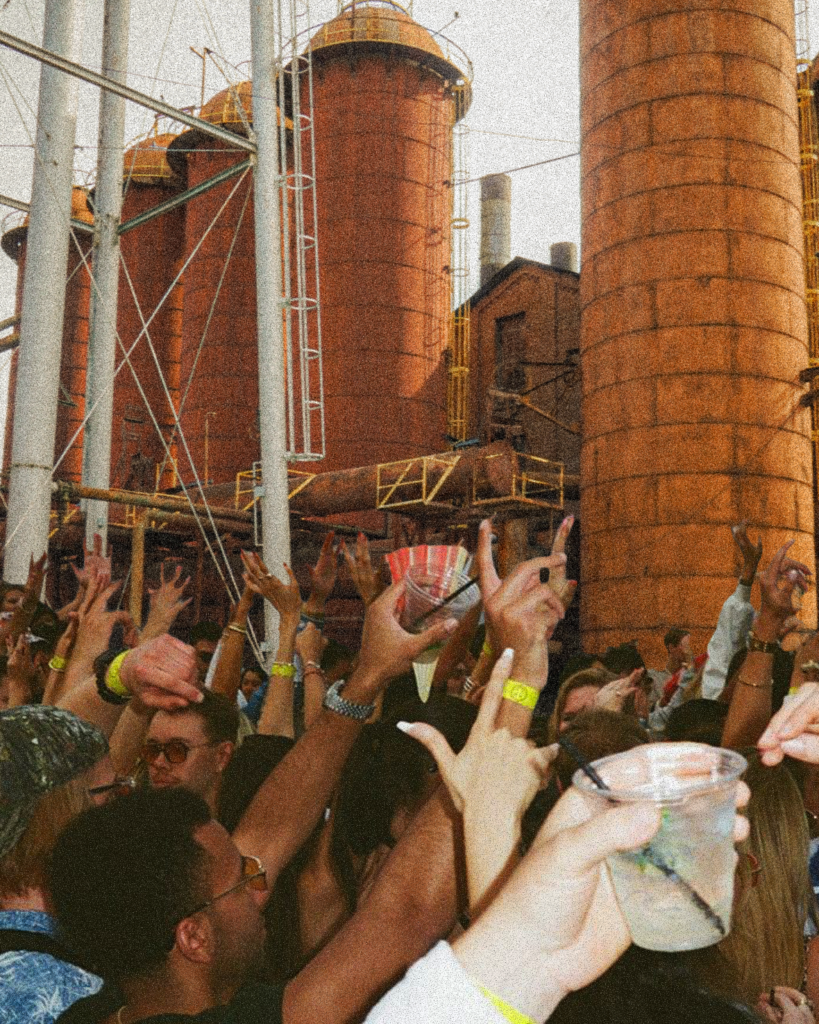
We want Sloss City to feel like a festival from the moment someone walks through the gates rather than simply a series of DJ performances.
We have two stages running from 4 to 11 p.m., with the main stage featuring substantial LED production, lasers, CO2 and a large sound system. Our local stage will have its own production and sound as well, so it isn’t being treated as an afterthought.
We’re also working with a combination of national and local brands. Pepsi is a major partner, along with several brands within that broader beverage portfolio, and we’re bringing in companies such as Surfside and Lick Energy. Lick was particularly interesting to us because they’re a growing Southeastern company and their “Misbehave Responsibly” identity fits what we’re trying to create—a really fun party atmosphere while still emphasizing a safe environment.
Keeping part of that ecosystem local was equally important. We’re working with Porch Beer and Porch Seltzer from Good People Brewing, for example, so attendees will see recognizable national products alongside brands that actually come from Birmingham.
We’re taking the same approach with food and vendors. Rather than simply filling spaces, we’re selecting businesses that fit the aesthetic and experience we’re trying to create and that people in Birmingham already know and enjoy.
One element I’m especially excited about is our partnership with Magic City Mercantile to create a Sloss City Vintage Market inside the festival. It gives attendees something completely different to explore between sets and creates another opportunity to put local businesses in front of thousands of people.
Ultimately, we want people to come for an artist they love but leave remembering the entire experience.
Why was that local connection important to you?
This is probably the most personal part of Sloss City for me.
I moved here from St. Louis for Samford with the hope that I would meet people I cared about and eventually invest in a city I cared about. Birmingham became that place for me.
I’ve watched the city grow, and I think there is an enormous opportunity for its entertainment culture to grow alongside it. I want to invest in local artists, businesses, venues and people and help create entertainment that feels like it belongs to Birmingham.
That’s why having 22 local DJs matters. It’s why working with Birmingham businesses matters. It’s why doing this at Sloss Furnaces matters.
My long-term dream is for Sloss City to become something Birmingham residents are genuinely proud to claim when they’re somewhere else in the country. There are festivals that have become part of the identity of their cities. When you hear Austin City Limits, you immediately think of Austin. The festival doesn’t just take place there—it represents the city.
Obviously, we’re at the very beginning of that journey, but that’s the ambition.
Birmingham is positioned incredibly well geographically. We’re surrounded by major Southeastern markets, we’re close to growing cities such as Huntsville, and Birmingham itself continues to evolve. I think Sloss Furnaces has the potential to become a destination for electronic music in this region.
If we’re successful, Sloss City won’t simply be a festival where national artists come into Birmingham, perform and leave. It’ll be something Birmingham helped build—where local DJs can develop their careers, local businesses can reach thousands of people, national artists want to perform, and eventually people from outside Alabama are traveling here specifically to experience it.
That’s ultimately what I want Sloss City to become.
Sloss City Music Festival takes place Friday, Sept. 18, from 4 to 11 p.m. at Sloss Furnaces National Historic Landmark in Birmingham. Tickets start at $25 and are available online.