There’s something powerful about seeing history not as a distant artifact, but as something still breathing through a community today.
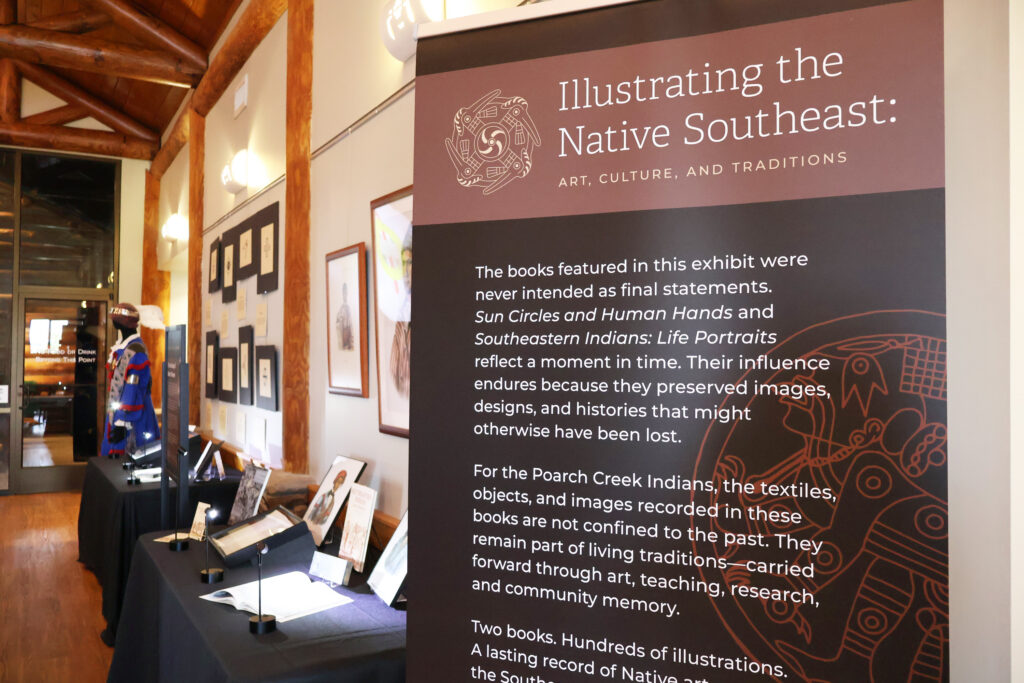
That’s the feeling behind a new exhibit at the Poarch Creek Indians Museum in Atmore, where “Illustrating the Native Southeast: Art, Culture, and Traditions” invites visitors into a visual story of Native life in the American South—one told through art, craftsmanship, memory, and preservation.
(Poarch Creek Indians/Contributed)
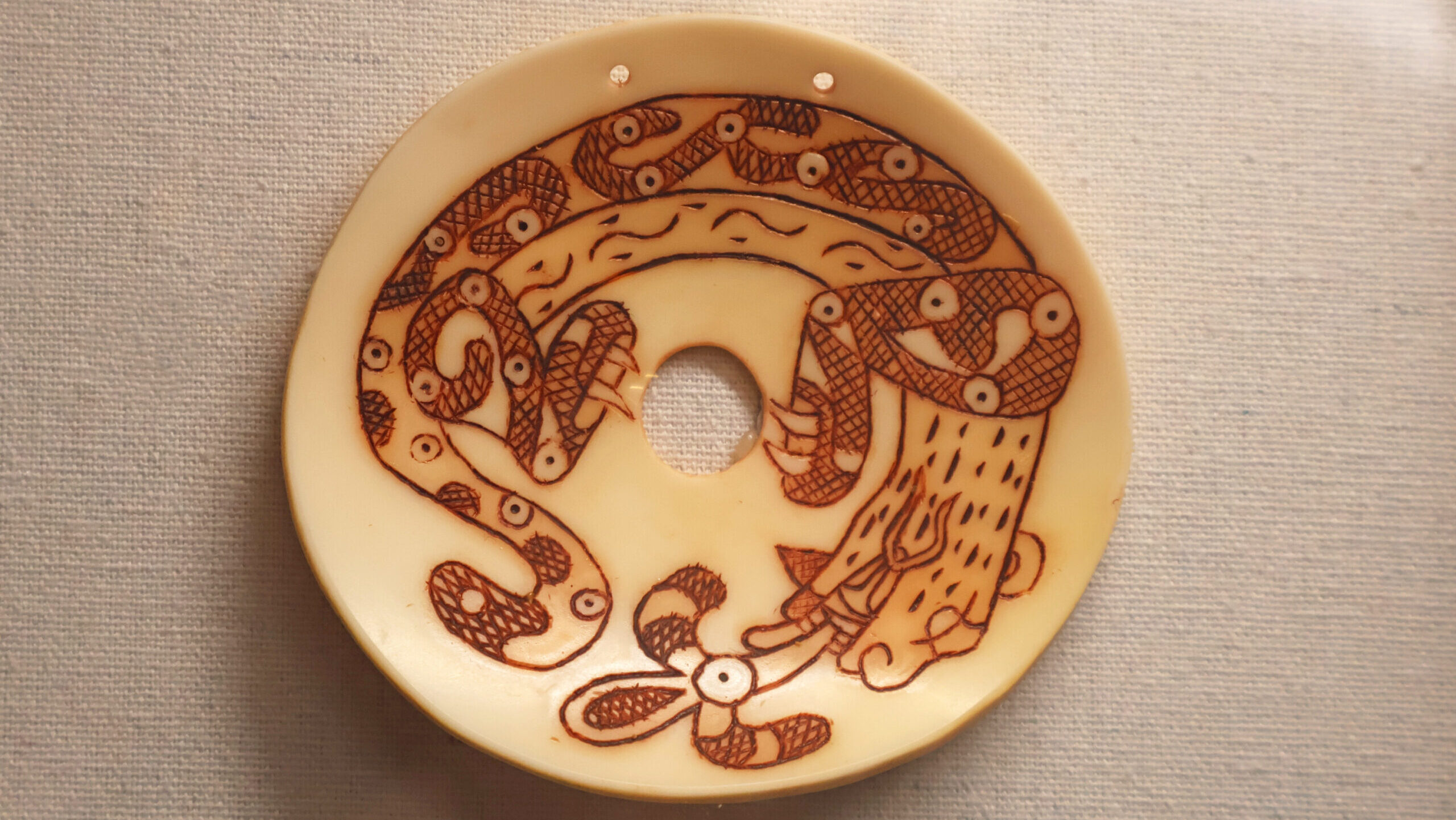
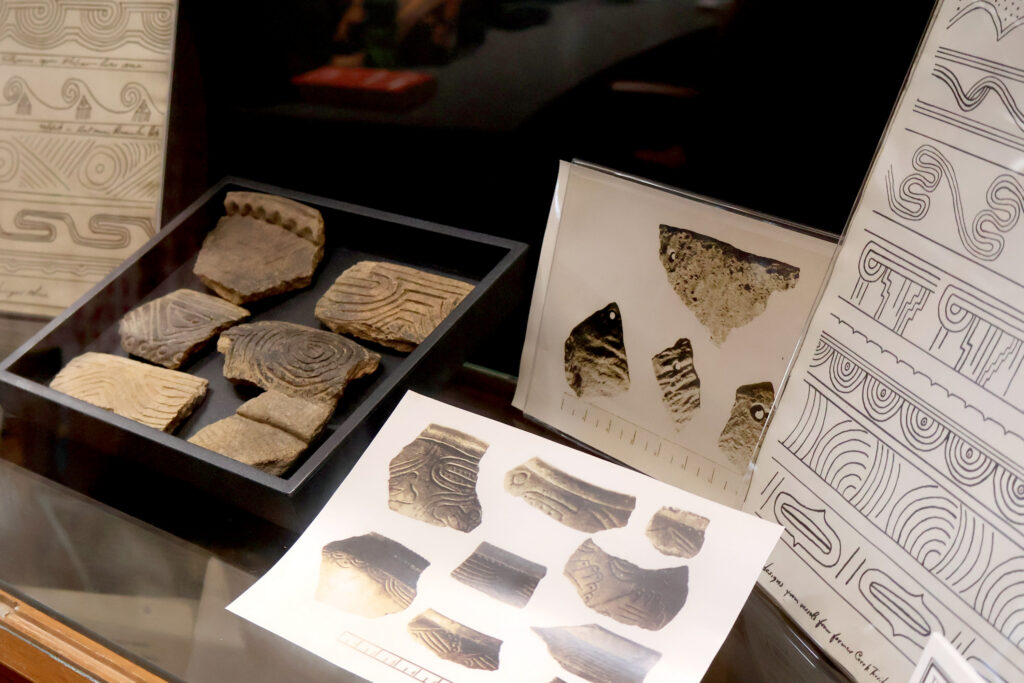
The exhibit centers on two landmark books by researcher Emma Lila Fundaburk: Sun Circles and Human Hands and Southeastern Indians: Life Portraits. Together, the works document generations of Southeastern Native traditions through paintings, drawings, artifacts, textiles, and archaeological records. But this exhibit isn’t simply about looking back. It’s about understanding how those traditions continue to shape living culture today.
For the Poarch Creek Indians—Alabama’s only federally recognized tribe—these images and objects are not frozen in time. They remain deeply connected to present-day identity, artistry, and community memory.
Walking through the exhibit feels less like flipping through a history book and more like stepping into an ongoing conversation between past and present. Detailed illustrations of Native artistry sit alongside stories of preservation and cultural continuity, reminding visitors that traditions survive because communities continue carrying them forward.
Museum Director Amber Alvarez says the exhibit offers a rare opportunity for both tribal members and the public to experience the enduring impact of these works firsthand.
“We’re proud and excited to share this new exhibit, from its memorable images to the histories they capture, with our community and everyone who visits the Poarch Creek Indian Museum,” Alvarez said. “It’s a unique chance to experience this lasting record of Native art and life in the Southeast.”
(Poarch Creek Indians/Contributed)
That sense of stewardship is woven throughout the exhibit. The books themselves became important historical records, preserving imagery, craftsmanship, and cultural details that may otherwise have been lost over time. Yet the exhibit carefully avoids framing Native culture as something belonging only to the past. Instead, it highlights how traditions evolve, adapt, and continue through teaching, research, storytelling, and art.
For visitors unfamiliar with Southeastern Native history, the exhibit provides a layered introduction to the region’s Indigenous cultures beyond textbook narratives. And for those with deeper ties to the South, it serves as a reminder that Native history has always been part of the fabric of this place—not separate from it.
“Illustrating the Native Southeast” reflects the broader mission of the Poarch Creek Indians Museum itself: preserving stories while making space for new generations to engage with them.
The exhibit is currently on display through November 2026 at the Poarch Creek Indians Museum in Atmore. Admission is free.
More information can be found on the tribe’s official website.
Love this story? Join our newsletter for more stories rooted in Alabama, delivered to your inbox every Friday.