Alabama has long been home to women whose courage, creativity, and vision have shaped not just the state, but the nation and the world. From pioneering civil rights leaders to trailblazing scientists, celebrated authors, and inspiring artists, these women have broken barriers, challenged norms, and left legacies that continue to resonate today. As we mark International Women’s Day, we celebrate a century of remarkable Alabama women whose achievements remind us of the power of determination, resilience, and leadership across every generation.
1930s: Helen Keller
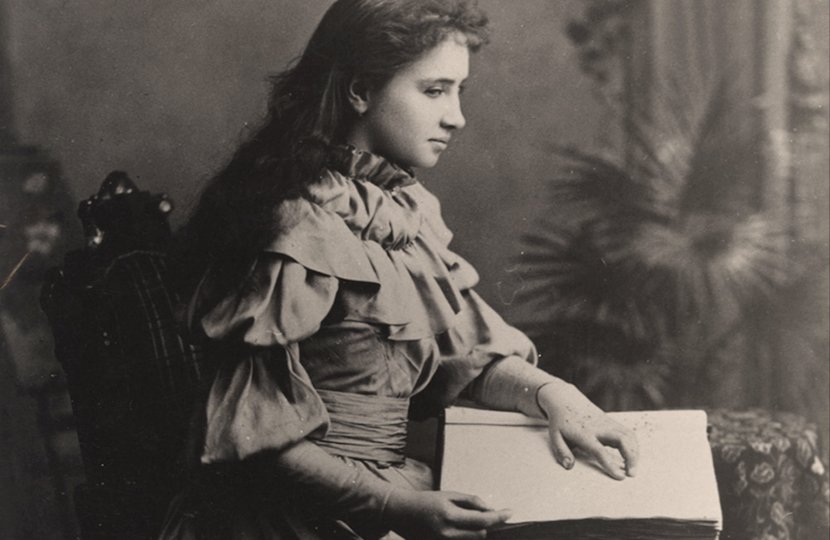
(National Women’s History Museum/Contributed)
Born in Tuscumbia, Helen Keller became one of the most recognized advocates for people with disabilities in the world. By the 1930s, she was already an international figure, traveling extensively to promote education access, workers’ rights and support for people who were blind or deaf. Despite losing her sight and hearing as a toddler, Keller graduated from college, wrote numerous books, and gave speeches across the globe. Her lifelong advocacy helped transform public understanding of disability and opened doors for generations to come.
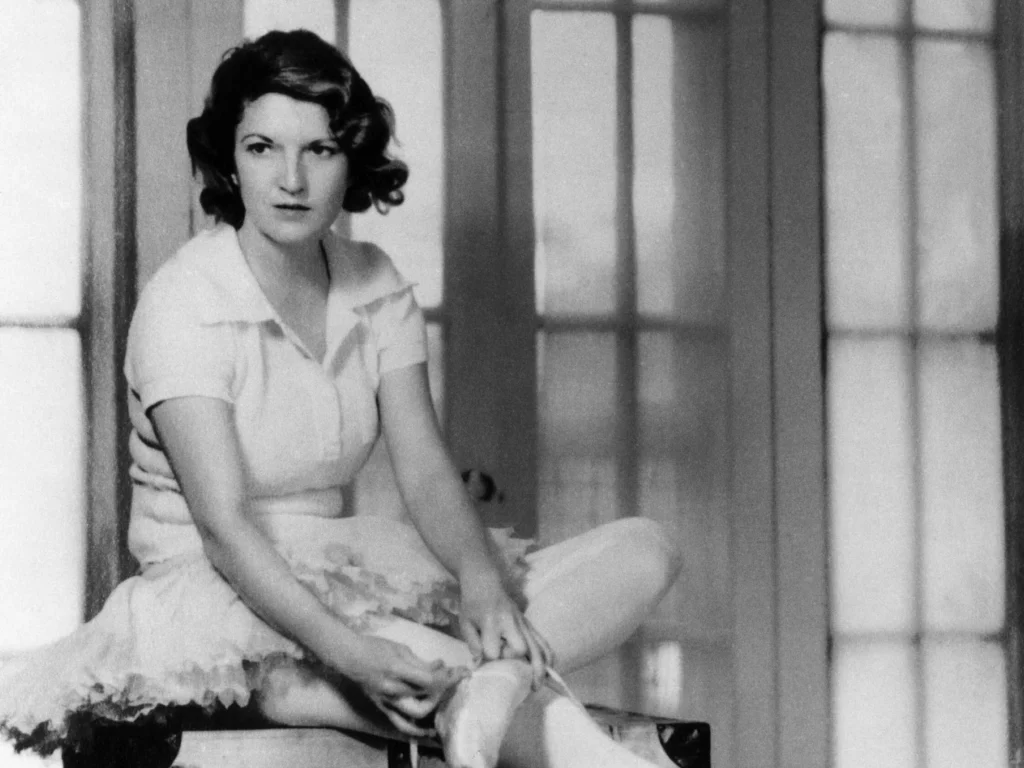
1940s: Zelda Fitzgerald
(The Fitzgerald Museum/Facebook)
Montgomery native Zelda Fitzgerald became one of the most recognizable cultural figures of the Jazz Age. Known for her creativity and bold personality, she was a writer, dancer and painter whose work reflected the vibrant and sometimes chaotic spirit of the early 20th century. Though often overshadowed by her husband, F. Scott Fitzgerald, Zelda carved out her own artistic legacy, including the novel Save Me the Waltz. Today, visitors can explore the couple’s former home in Montgomery, which now operates as the Scott and Zelda Fitzgerald Museum, preserving their story and celebrating their lasting influence on American literature and culture.
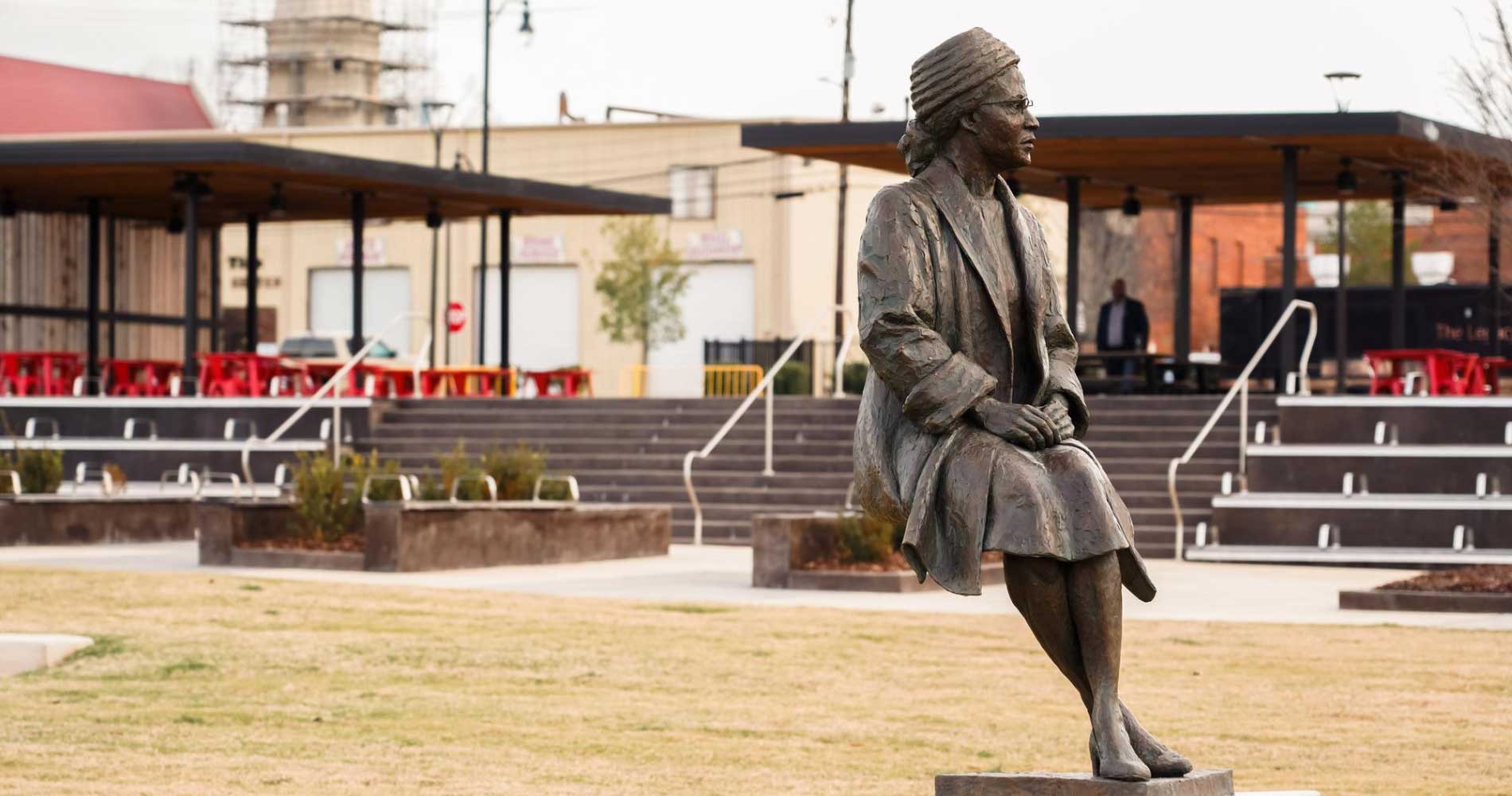
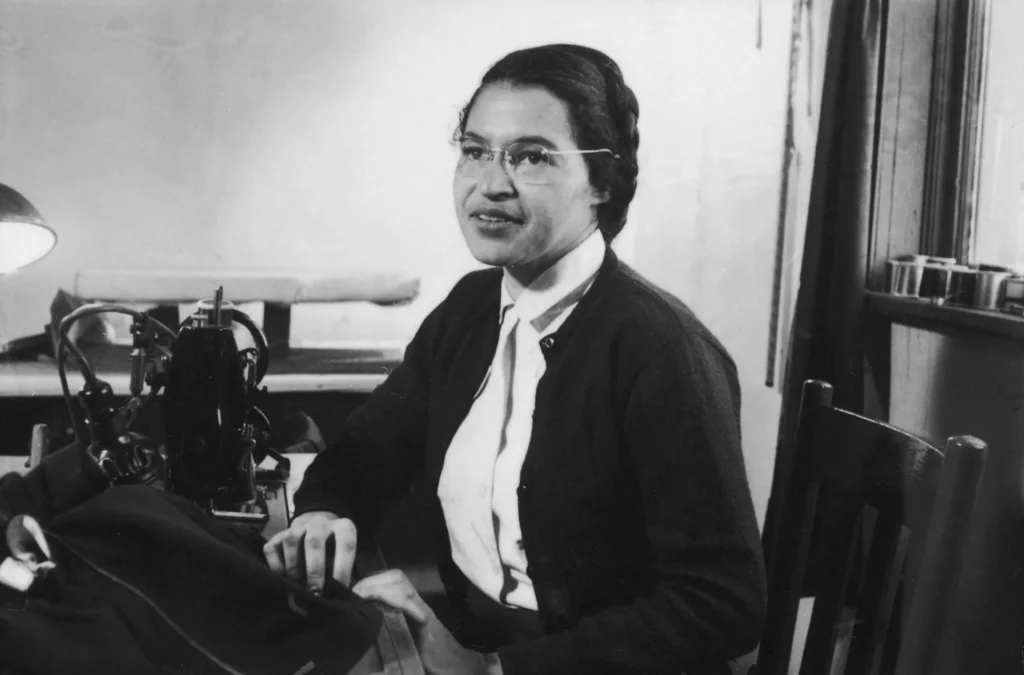
1950s: Rosa Parks
(Rosa Parks/Facebook)
In 1955, Rosa Parks helped ignite one of the most significant moments in the civil rights movement when she refused to give up her seat on a segregated bus in Montgomery. Her arrest sparked the historic Montgomery Bus Boycott, a year-long protest that challenged segregation in public transportation. Parks’ quiet act of resistance became a powerful symbol of courage and dignity, inspiring countless people to stand up against injustice. Today, she is remembered as the “mother of the civil rights movement,” and her legacy continues to inspire generations fighting for equality.
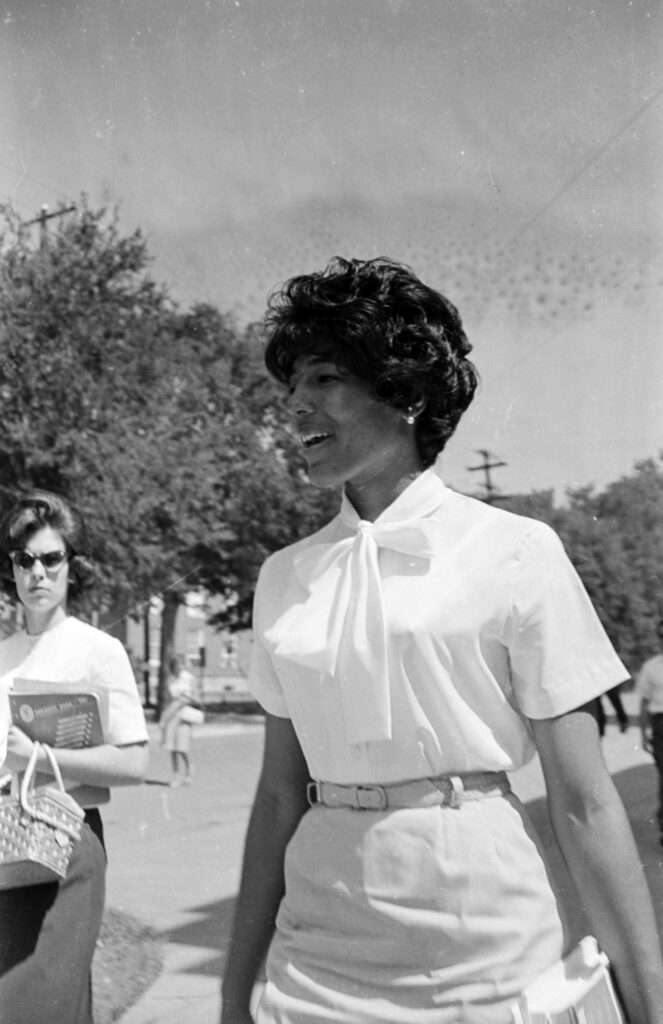
1960s: Vivian Malone Jones
(Alabama Women’s Hall of Fame/Contributed)
In 1963, Vivian Malone Jones made history when she enrolled at the University of Alabama, becoming one of the first Black students to attend the school. Her enrollment came during a tense standoff that highlighted the national struggle over segregation in higher education. Malone Jones persevered, later graduating with a business degree and building a career in public service. Her courage helped pave the way for greater educational access for future generations.
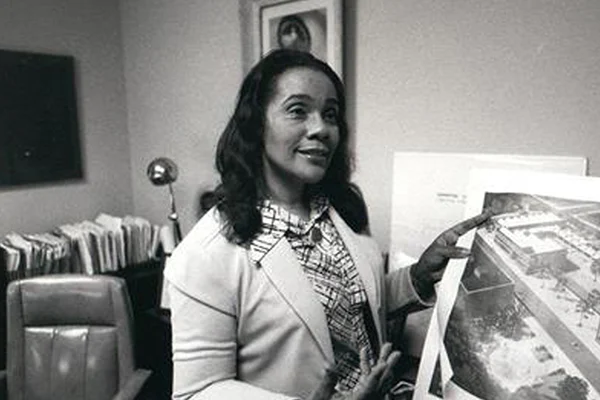
1970s: Coretta Scott King
(The King Center/Contributed)
A native of Marion, Coretta Scott King carried forward the legacy of the civil rights movement long after the death of her husband, Martin Luther King Jr. During the 1970s, she expanded her advocacy to include women’s rights, economic justice, and global peace. King also helped establish the King Center in Atlanta and played a leading role in the campaign to create a national holiday honoring her husband. Her leadership helped ensure the movement’s ideals continued to inspire new generations.
1980s: Harper Lee

(Harper Lee/Facebook)
Monroeville author Harper Lee became one of the most influential literary voices in American history with her novel To Kill a Mockingbird. By the 1980s, the book had become a staple in classrooms across the country, shaping discussions about race, justice, and morality. Lee largely avoided the spotlight, but her work continued to resonate with readers decades after its publication. The story’s themes remain deeply tied to the social history of the South and the ongoing pursuit of equality.
1990s: Mae Jemison
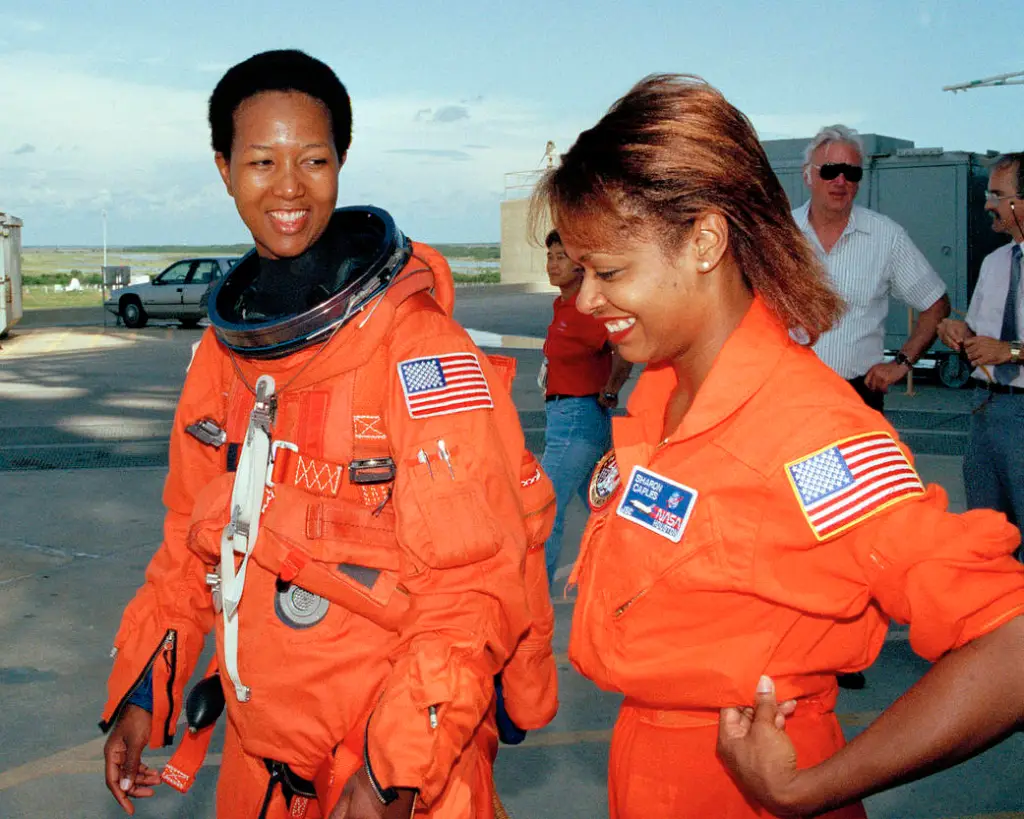
(NASA/Facebook)
Mae Jemison made history as the first Black woman to travel to space when she flew aboard the Space Shuttle Endeavour in 1992. With family roots in Alabama, Jemison’s accomplishments in science and space exploration inspired countless young people to pursue careers in STEM fields. After leaving NASA, she continued advocating for science education and global technological development. Her achievements showed that curiosity and determination can take people far beyond Earth’s atmosphere.
2000s: Condoleezza Rice
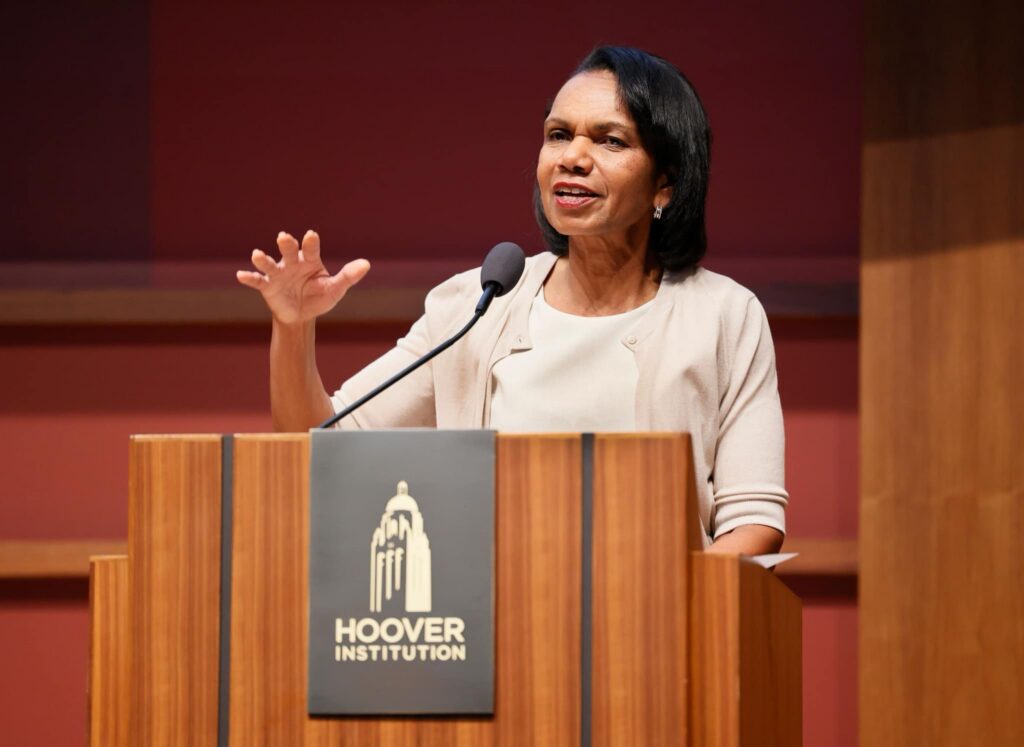
(Condoleezza Rice/Facebook)
Raised in Birmingham, Condoleezza Rice rose to become one of the most powerful figures in American diplomacy. In 2005, she became the first Black woman to serve as U.S. Secretary of State. Rice played a key role in shaping American foreign policy and represented the United States on the world stage during a pivotal period in international relations. Her career has also included roles as a professor, author and university administrator.
2010s: Octavia Spencer

(Octavia Spencer/Facebook)
Montgomery-born Octavia Spencer built a celebrated career in film and television, earning international acclaim for her acting. She won an Academy Award for her performance in the 2011 film The Help and has continued to appear in major films and television series. Spencer has also used her platform to champion diversity in Hollywood and encourage young artists pursuing careers in entertainment — and her success has made her one of Alabama’s most recognizable modern actors.
2020s: Lulu Gribbin
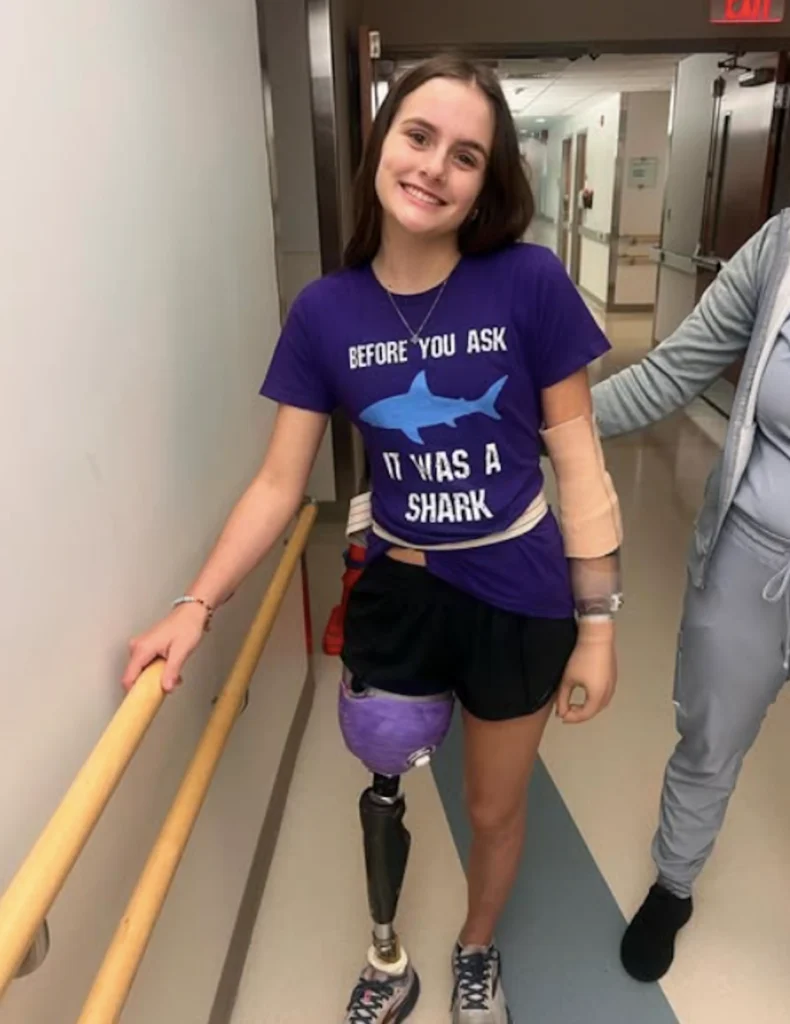
(Lulu Gribbin/Instagram)
In 2024, Mountain Brook teenager Lulu Gribbin captured national attention after surviving a life-threatening shark attack while on vacation along the Gulf Coast. In the months that followed, she became a powerful symbol of resilience, sharing her story and inspiring others with her determination and optimism during recovery. Her experience inspired Lulu’s Law, introduced in Alabama and later in the U.S. House, requiring emergency alerts for unprovoked shark attacks. She also founded the Lulu Strong Foundation in 2025 to help amputees access lighter prosthetics faster, funding research and supporting others facing similar challenges.
Together, these ten women show the remarkable breadth of Alabama’s contributions to history, culture, science, and social justice; each has left a legacy that reaches far beyond the state’s borders. Their stories remind us that courage, creativity, and determination know no limits—and that every generation of women can shape a better, more equitable world. As we celebrate International Women’s Day, their achievements serve as both inspiration and a call to action for the leaders, innovators, and changemakers of tomorrow.
Want more stories like this? Join our newsletter for more stories rooted in Alabama, delivered to your inbox every Friday.