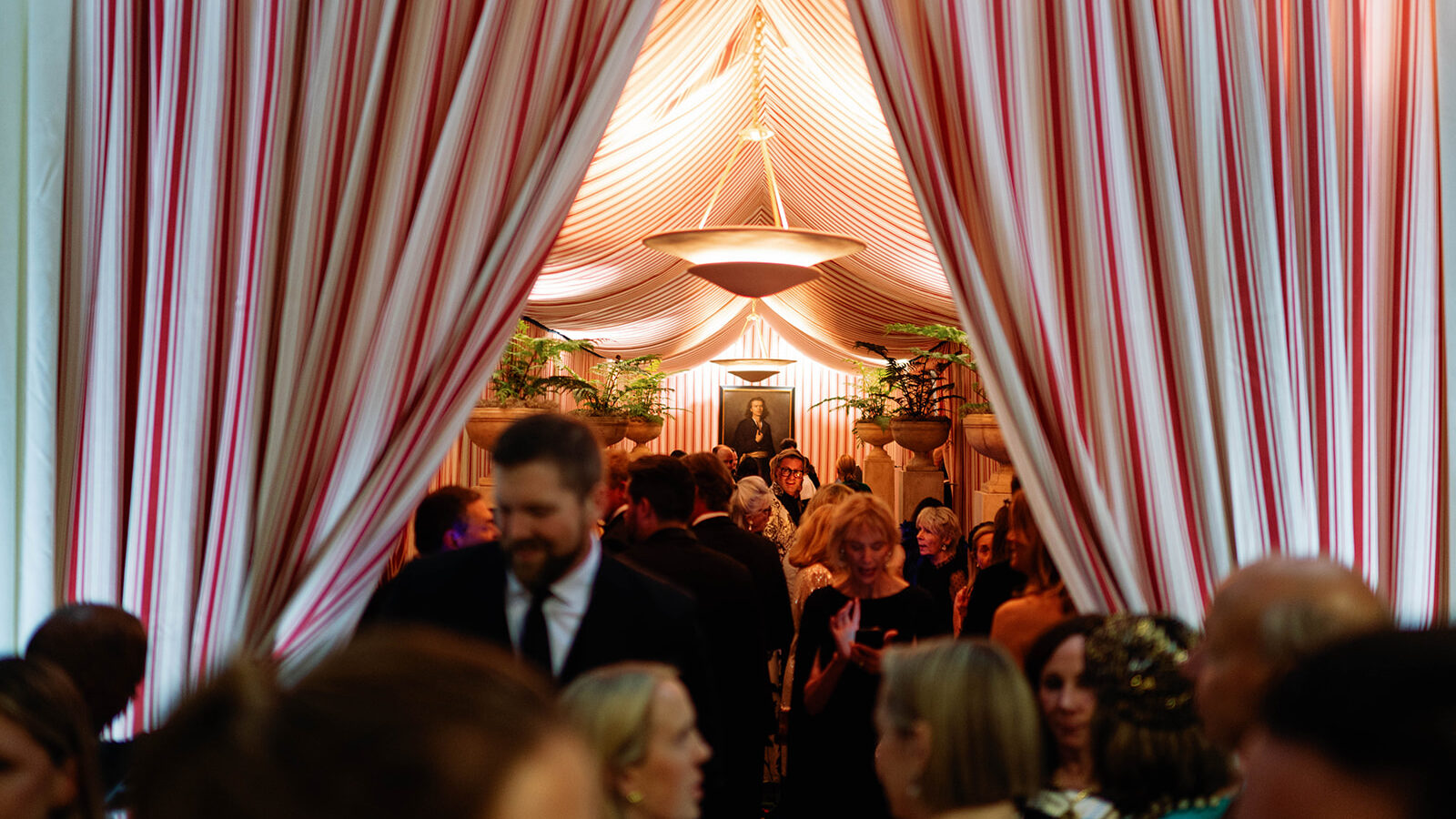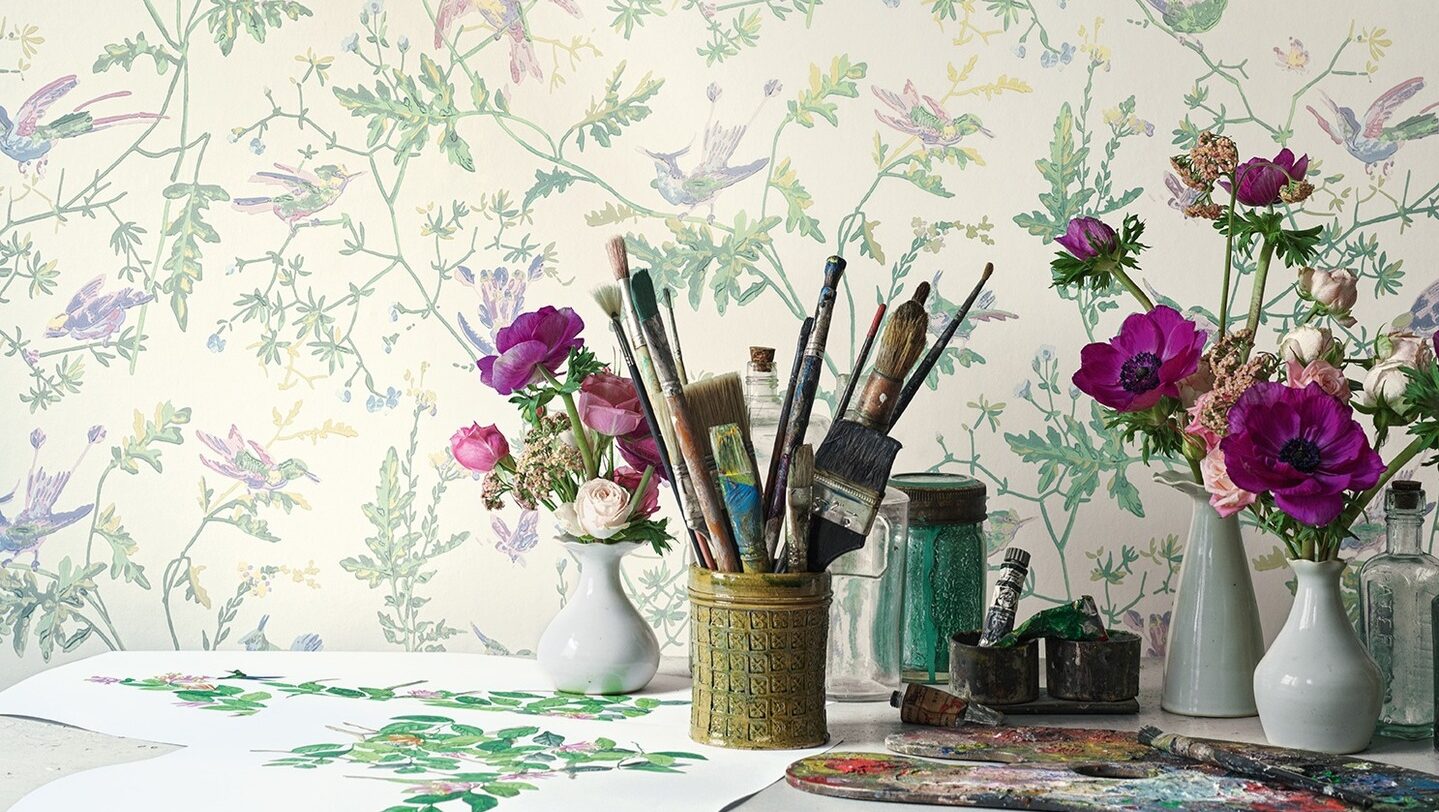
At a moment when Birmingham’s design, culinary, and creative communities continue to intersect in increasingly visible ways, Pepper Place in Bloom brings together Pepper Place and FLOWER Magazine for a district-wide celebration of flowers, textiles, and interior design. Across courtyards, showrooms, and gathering spaces, the event unfolds on Friday, May 1st, as both a curated program and a reflection of the broader creative culture that has long defined the district.
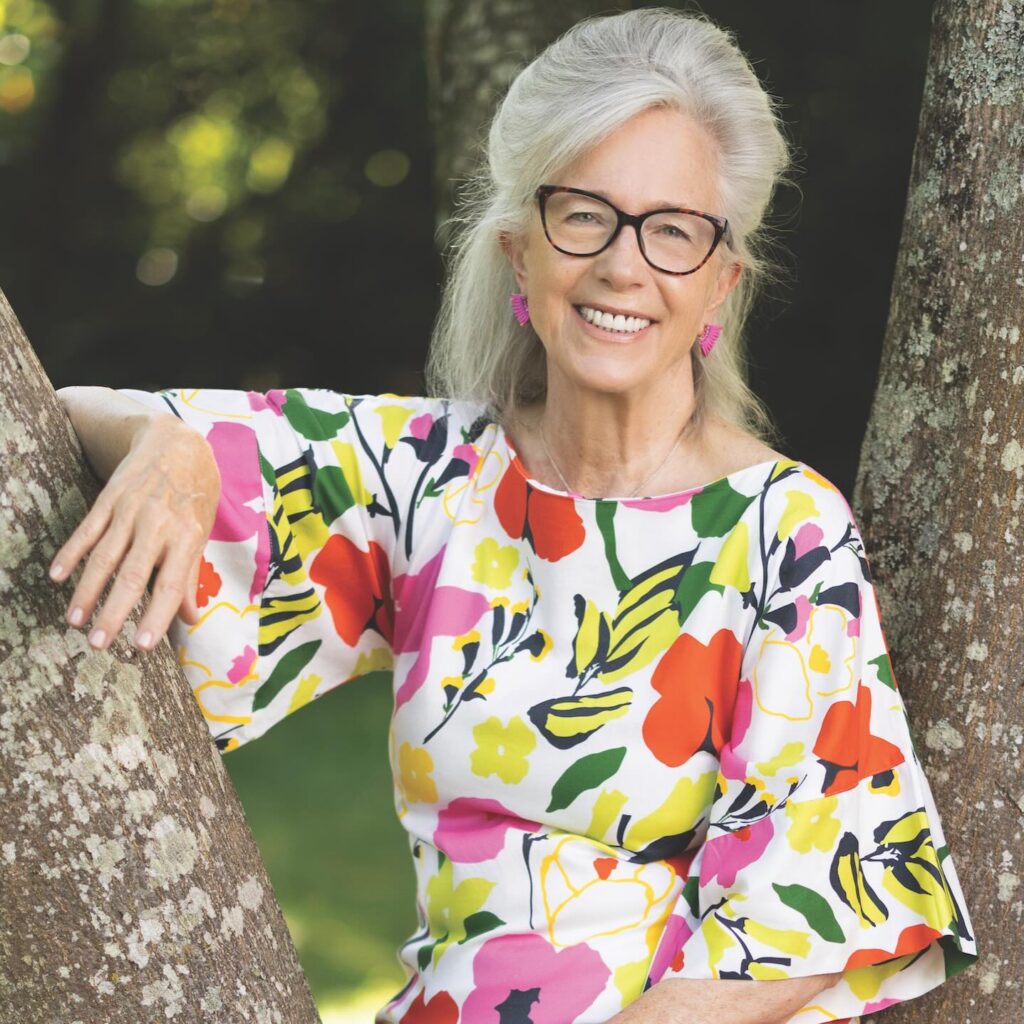
The day begins at Kravet with a trade-only floral workshop and book signing with FLOWER founder and editor-in-chief Margot Shaw. Her perspective on design and nature quietly anchors much of the day’s programming. “My purpose in publishing a magazine about a life filled with flowers and nature is really about promoting beauty, time, education, and inspiration,” Shaw says. “I believe we all need to stop and ‘smell the roses’ or whatever our personal equivalent is, on a regular basis. It’s good for our souls.”
(Birmingham Botanical Gardens/Facebook)
Set within an intimate, design-focused setting, the workshop offers a close look at floral composition and the creative philosophy that informs her editorial work—an approach rooted in slowing down, observing nature, and translating its rhythms into everyday living.
From there, guests are invited to gather for Lunch in Bloom at The Mustard Club, where the conversation continues in a more informal, communal setting. Lunch can be pre-ordered in advance, and the first 100 guests will receive a curated gift bag featuring Pepper Place favorites—an extension of the district’s commitment to thoughtful, locally rooted design and hospitality.
The afternoon continues at Odette with a public design panel moderated by Shaw, featuring Laura Vogtle, Mark Kennamer, and Mackin Thompson. Titled From Fabric to Frame, the conversation explores the layered process of interiors—from selecting textiles and framing artwork to working with antiques and decorative objects. Rather than focusing solely on finished spaces, the panel opens a window into the decision-making behind them, offering a more accessible and process-driven view of design. Shaw will also be available for a book signing following the session, further extending the day’s emphasis on connection between creator and audience.
Her philosophy carries through the afternoon’s discussions, reinforcing a shared interest in slowing down and engaging more thoughtfully with the built and natural environments that shape daily life.
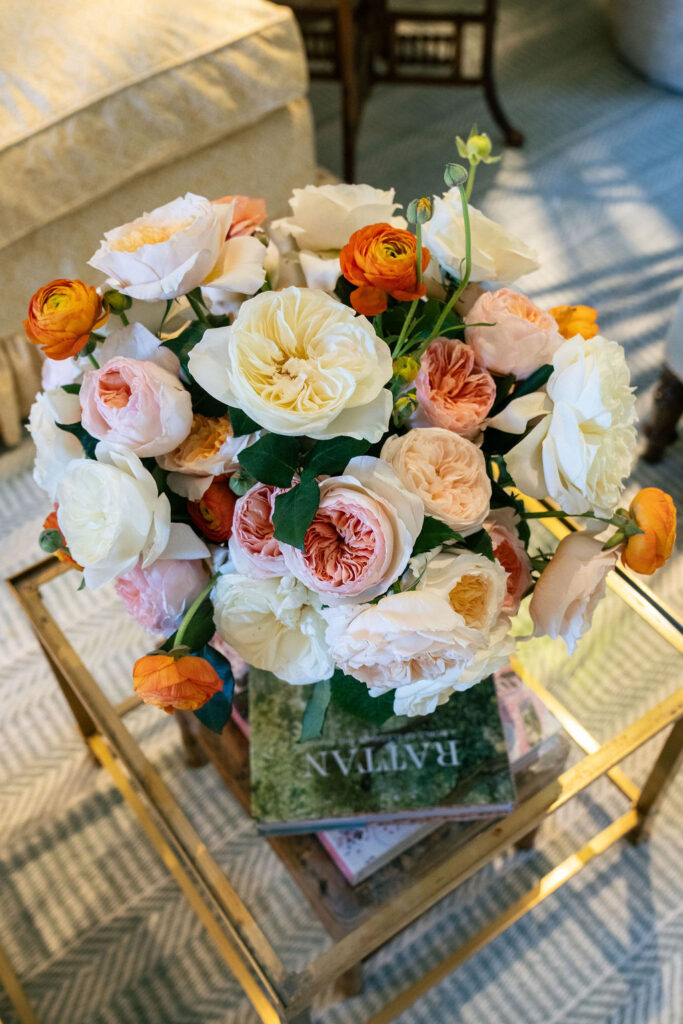
(Pepper Place/Facebook)
Throughout the day, visitors are encouraged to move through the district—shopping, dining, and exploring as Pepper Place comes into full spring bloom.
Long before events like this filled its courtyards and storefronts, Pepper Place began as a restoration effort in 1988, transforming a cluster of aging warehouse buildings around Birmingham’s former Dr Pepper bottling facility into a walkable hub for local businesses and creative work. What was once an industrial footprint has been reimagined over time into a layered environment where architecture, commerce, and community coexist.
Today, the district spans more than 350,000 square feet and has become one of Birmingham’s most dynamic gathering spaces—home to restaurants, shops, galleries, studios, and a longstanding Saturday market that draws residents from across the region. Its identity has been shaped not by a single vision, but by the accumulation of small, intentional choices that prioritize local makers, independent businesses, and public interaction.
More than a place to visit, Pepper Place has become central to how Birmingham connects, standing as a defining civic landmark where design, food, and community intersect in meaningful and lasting ways. It is where people come not only to experience events like Pepper Place in Bloom, but to engage with a broader culture of creativity that is woven into the district’s everyday rhythm. In its courtyards and corridors, the city’s relationship to beauty, craft, and gathering is continually expressed—season after season, and moment after moment.
Want more stories like this? Join our newsletter for more stories rooted in Alabama, delivered to your inbox every Friday.