The African American Cultural Heritage Action Fund has awarded $5 million in grants to five historically Black churches across the United States, with each receiving $1 million. Among the recipients are First African Baptist Church in Beaufort, South Carolina; Roberts Temple Church of God in Christ in Chicago; Second Baptist Church in Los Angeles; Mother Bethel AME Church in Philadelphia; and Brown Chapel AME Church in Selma, Alabama, a site of profound historical and cultural significance.
“These churches represent multifaceted legacies spanning critical moments in American history and culture,” said Brent Leggs, executive director of the African American Cultural Heritage Action Fund. Leggs announced the funding on Martin Luther King, Jr. Day. He added, “Thanks to generous funding from the Lilly Endowment Inc. and our team’s strategic partnership, the Action Fund is ensuring that these historic churches can continue to exist as civic spaces of faith, education, beauty, and belonging for generations to come.”
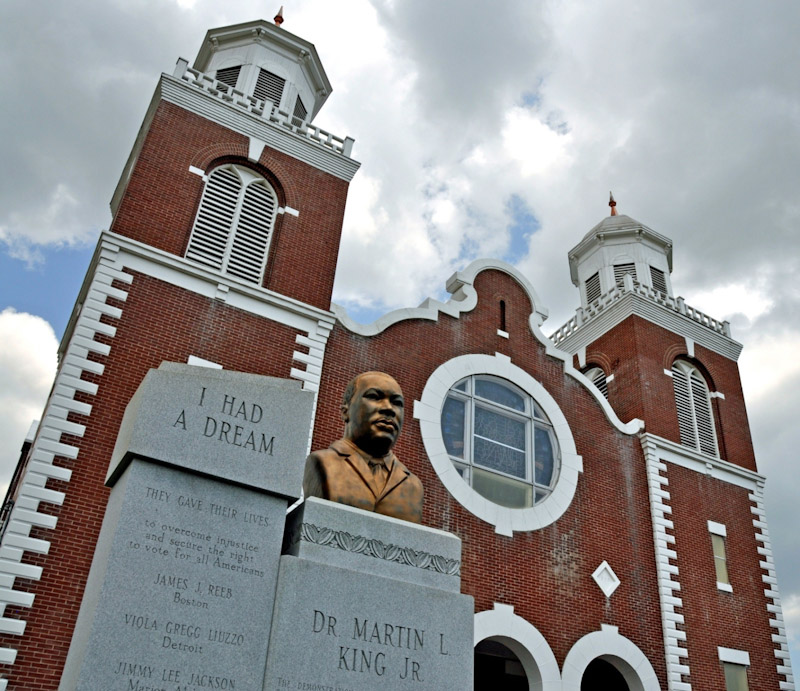
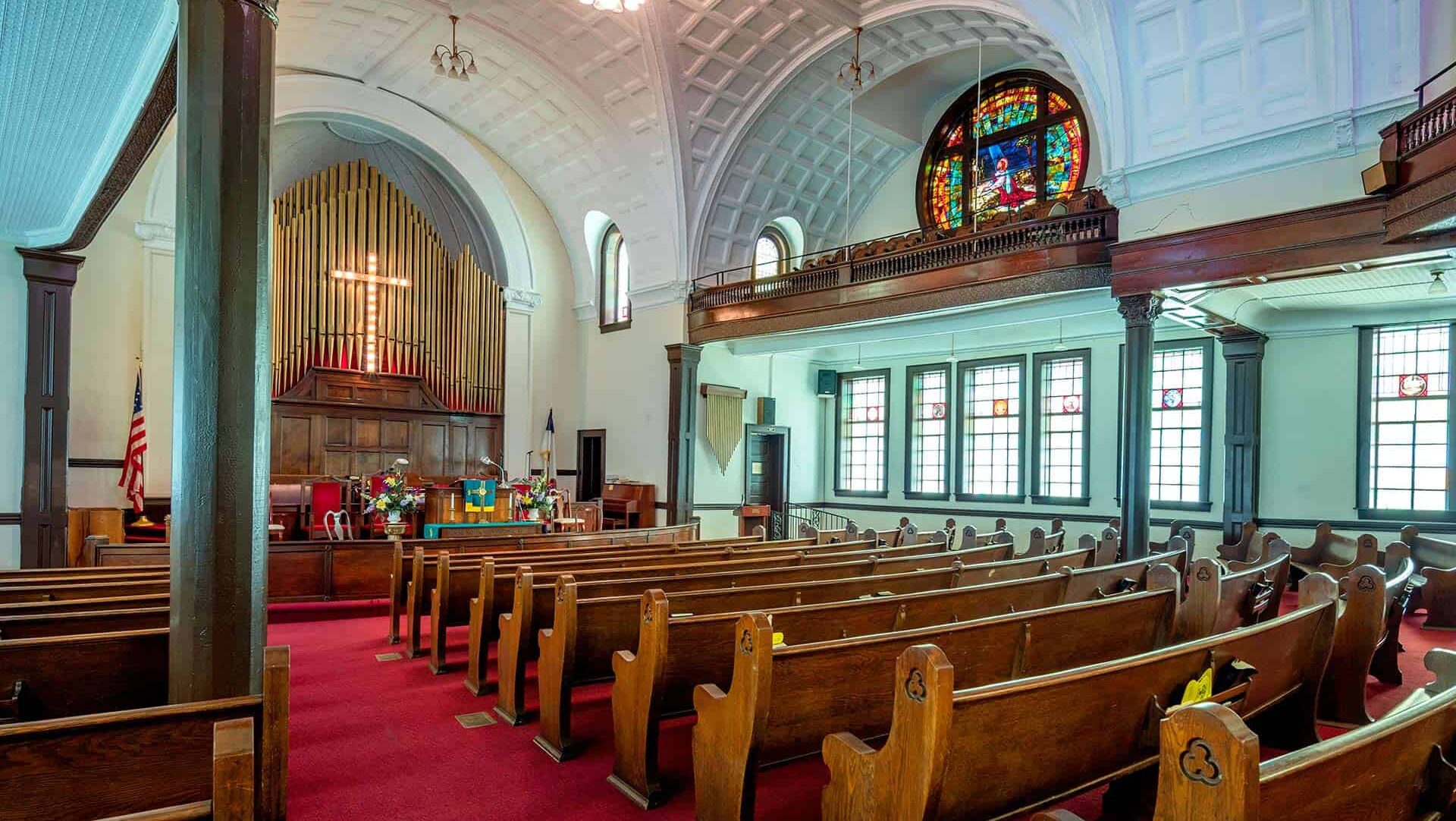
(Brown Chapel AME Church/Facebook)
The Role of Historically Black Churches
Historically Black churches have long been pillars of community, faith, and social change. Beyond their spiritual role, they have served as hubs for civic engagement, education, and cultural preservation. Many have hosted critical events in the fight for civil rights, standing as symbols of resilience, leadership, and achievement.
Second Baptist Church in Los Angeles, for example, has been a center for faith leadership, community service, and civic engagement, welcoming figures such as Dr. Martin Luther King Jr. and Malcolm X. In Chicago, Roberts Temple Church of God in Christ, founded in 1922 by Bishop William Roberts and his deacons, became the site of the funeral of 15-year-old Emmett Till in 1955—a pivotal moment in the civil rights movement. Mother Bethel AME Church, built in 1794 in Philadelphia, sits on the oldest parcel of land continuously owned by Black Americans and is the birthplace of the African Methodist Episcopal denomination, founded by Rev. Richard Allen.
Brown Chapel AME Church
Brown Chapel AME Church in Selma, Alabama, is a cornerstone of the city’s history and a national symbol of the civil rights movement. Known as the starting point of the 1965 Selma-to-Montgomery marches for voting rights, the church has long stood as a beacon for justice, equality, and community leadership. The $1 million grant will help preserve both its historic architecture and its enduring role as a living monument to the struggle for civil rights, ensuring that future generations can continue to learn from and honor its legacy.
“We are deeply grateful for this support,” said a spokesperson for Brown Chapel. “This funding allows us to safeguard the physical and spiritual home that has nurtured generations of activists, community leaders, and ordinary citizens dedicated to justice. Preserving this church is about protecting a sacred space where history, faith, and the fight for equality converge.”
Preserving History for the Future
These grants reflect a broader commitment to protecting historically significant Black churches, which are more than architectural landmarks—they are repositories of culture, memory, and resilience. Preserving these sacred spaces ensures that they remain active centers for worship, education, and community engagement while honoring the stories and struggles of those who built and sustained them.
By supporting preservation efforts, the African American Cultural Heritage Action Fund is helping to maintain a vital link between past and present, allowing these churches to continue serving as spaces of inspiration, learning, and belonging. For communities across the country, including Selma, Brown Chapel and its counterparts are reminders that history is not just to be remembered—it is to be lived, celebrated, and passed on.
Want more stories like this? Join our newsletter for more stories rooted in Alabama, delivered to your inbox every Friday.