When I was growing up, when I had less of a grasp on seasons and months, I knew it was summer when my family would load into my dad’s truck, and head south to trade out the north Georgia humidity for the Gulf Coast heat. We would make our way down the state until we would cross over the Alabama state line, watching the vibrant foliage pass by us, excitement building in my sister and me, fueled by dreams of sandy beaches and a cold popsicle. Somewhere along Highway 431, my dad would pull the truck over to fill up for gas, and every year it was the same spot.
The Gator Stop was renowned in my family. Dad would pump gas, and my mom would take my sister and I over to the lake in the back where we would search eagerly for the alligators that called the roadside stop home. My dad never called this store “The Gator Stop,” though. It was always “Tom Mann’s Fish World,” a name that will sound very familiar to most Alabamians. Long before my childhood memories of roadside snacks and alligator sightings, Tom Mann’s Fish World was an oasis for weary travelers and fishermen alike, drawing in generations of visitors with its larger-than-life reputation, legendary fishing roots and unmistakable roadside charm. What began as a simple bait-and-tackle stop along Highway 431 would eventually become one of Alabama’s most recognizable landmarks, tied closely to the legacy of professional fisherman Tom Mann himself.
The Man Behind the Lures
(Regina Lee/Contributed)
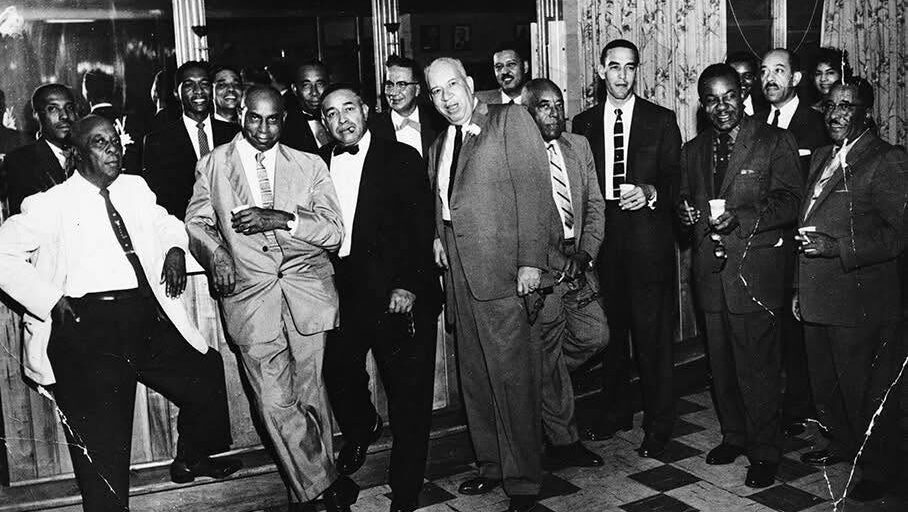
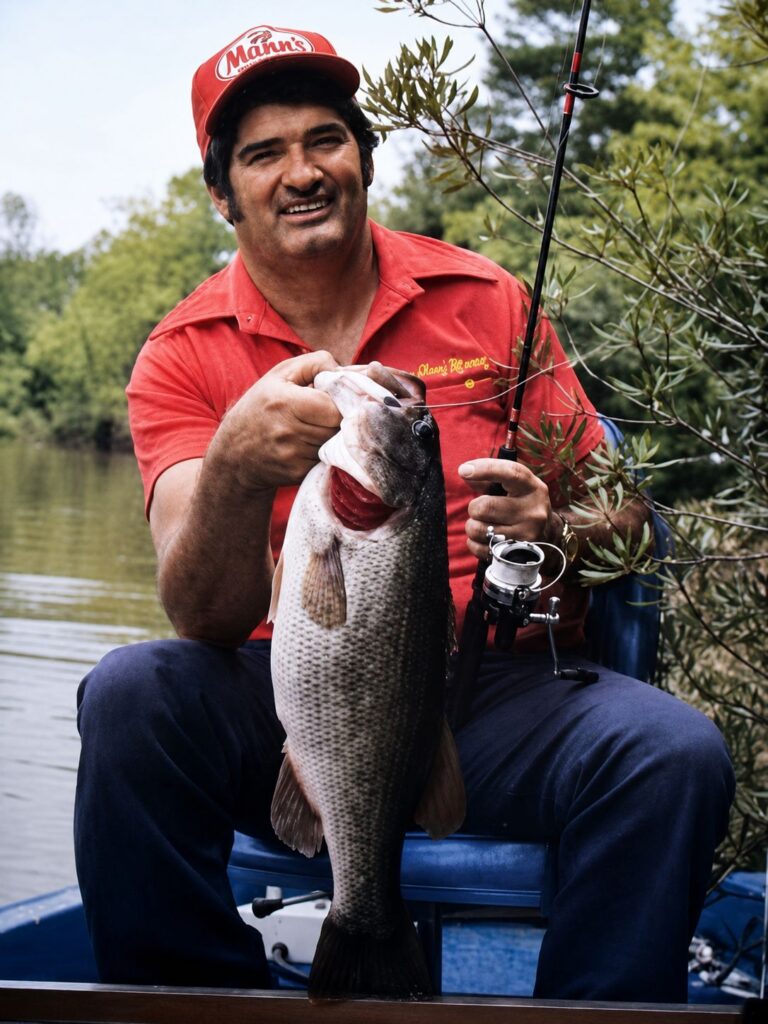
Tom Mann’s story began long before bass fishing became the televised sport and booming industry that many know today. Born and raised in Penton, Alabama, Mann built his reputation not simply as a fisherman, but as someone who truly understood bass and the waters better than anyone else. Before he became known nationally, he worked as a game warden, spending countless hours on Alabama waters studying fish behavior and learning the rhythms of the lakes that would later completely shape his career. Fishing, for Mann, was never just a pastime. It was more like an instinct.
In 1958, Mann began making fishing lures at his kitchen table with just $5, unknowingly laying the foundation for what would become one of the most influential brands in bass fishing history. As Lake Eufaula rose to national fame for its massive “Alabama lunkers,” Mann became one of the biggest names attached to the growing fishing craze. Anglers traveled from across the country hoping to land one of the legendary bass lurking in Alabama waters, and many of them showed up carrying Mann’s lures in their tackle boxes. His “Little George” tail spinner, “Deep Pig” crankbait and “Wooly Bully” spinnerbait became staples among fishermen, earning recognition far beyond Alabama state lines.
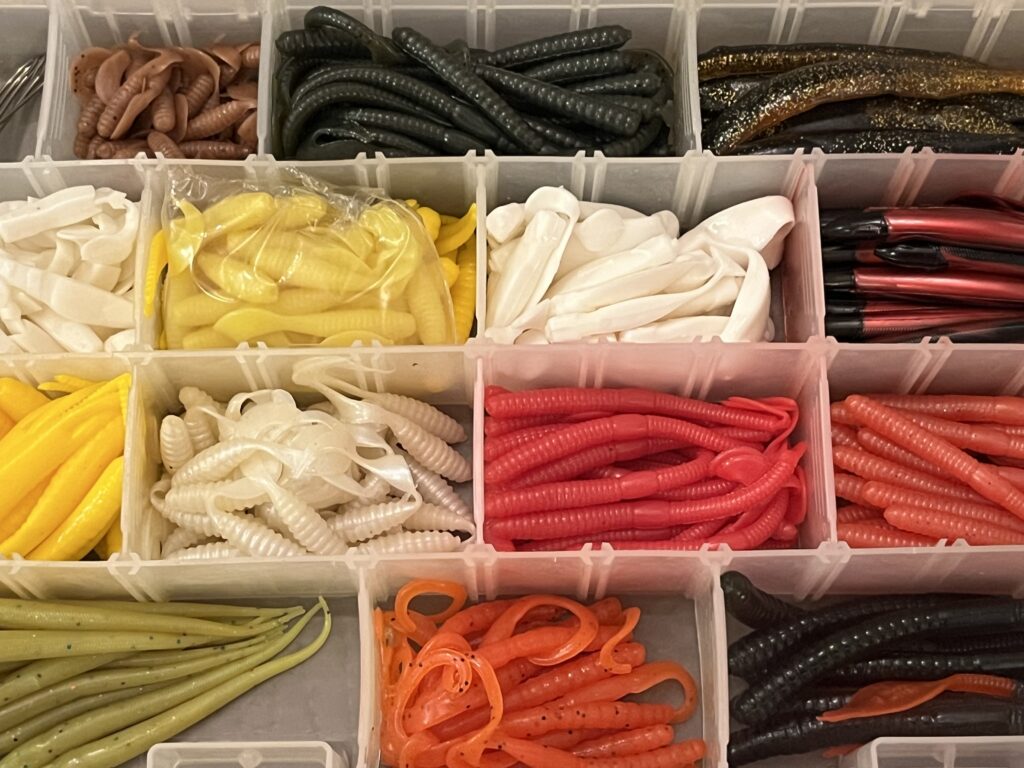
Still, none reached quite the same level of fame as Mann’s scented “Jelly Worms,” the colorful soft plastic worms that became instantly recognizable for their fruit-inspired names and matching scents. Blueberry, watermelon and strawberry were just a few of the varieties fishermen swore by, though the creative naming actually did not come from Tom himself. The names were the work of his wife, Ann, whose contributions helped give the wildly successful lures a personality that generations of fishermen would remember just as much as the catches themselves.
Competitive bass fishing began gaining traction across the country, and Mann quickly found himself at the center of it all. He competed in some of the earliest bass fishing tournaments and worked closely with Ray Scott, the founder of the Bass Anglers Sportsman Society, or B.A.S.S. They became something of heroes to the younger generation of fishermen, and they were familiar faces on the fishing television programs. Audiences tuned in not only for the fishing tips, but for Mann himself. Whether he was talking tackle, swapping stories, or casting a line on camera, Mann helped shape what bass fishing looks like even today, becoming just as recognizable as the lakes and lures he promoted.
Tom Mann’s Fish World
(John Lee/Contributed)
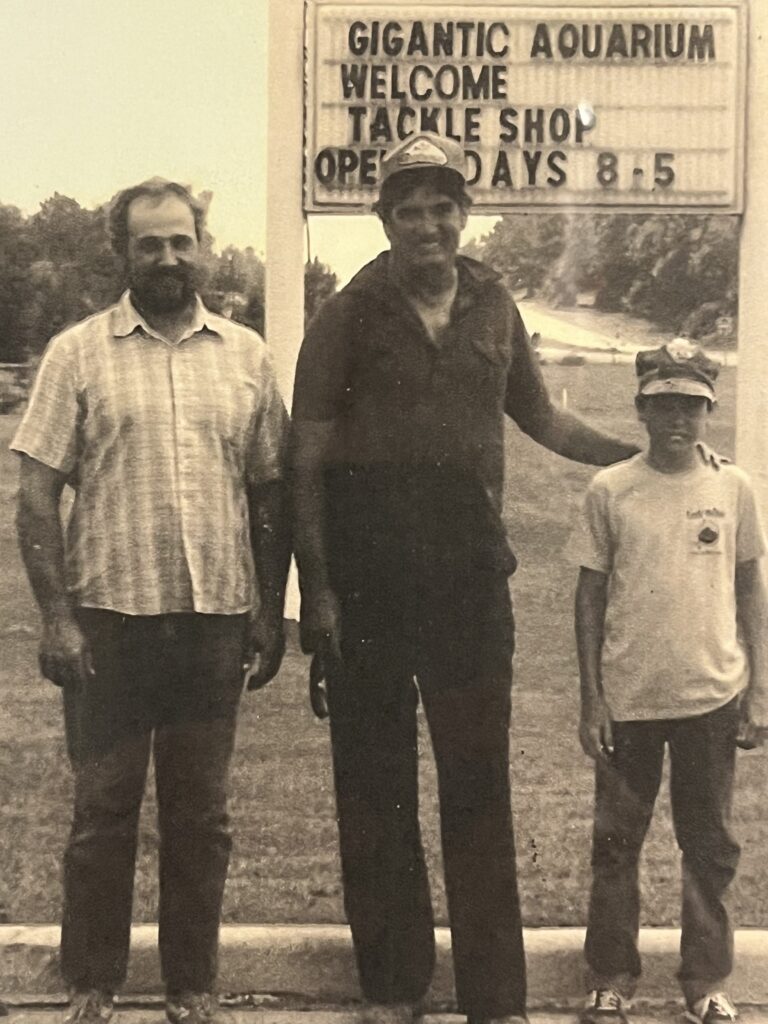
By the 1970s, Tom Mann’s Fish World had become the kind of place children begged their parents to stop at. But it wasn’t too much trouble because the parents enjoyed it just as much. My dad still remembers driving to the beach, but the real excitement came when he spotted the towering “Tom Mann’s Fish World” sign rising high in the Eufaula sky, marking the beginning of the vacation. To him, It did not feel like a gas station or roadside bait shop. It felt like an attraction all on its own, one of the nicest storefronts he had ever seen at the time, carefully designed down to the smallest details.
Inside, Fish World felt somewhere between a fishing museum and an aquarium. Mounted fish stretched across the walls while glass cases displayed Native American artifacts and pieces of Alabama history alongside rows of colorful tackle and bait. Massive aquariums glowed throughout the building, drawing children toward the glass to watch enormous bass glide through the water. Outside, manicured gardens and winding walkways led visitors toward the lake behind the store, where a gazebo extended out over the water, designed to make guests feel as though they had stepped directly inside the aquarium itself. And somewhere along those walkways lived perhaps the store’s most famous resident of all: Leroy Brown.
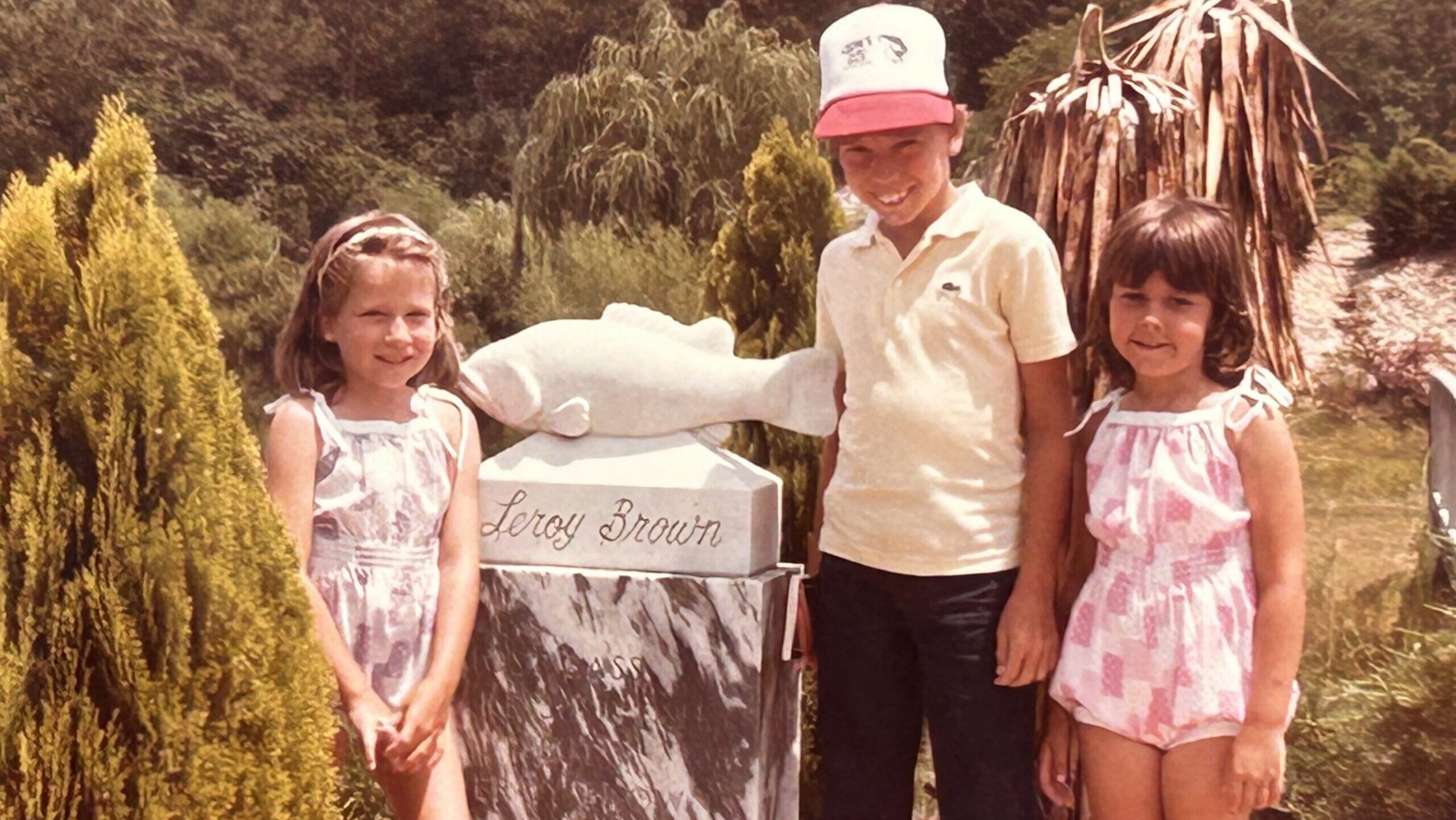
The giant bass, caught by Mann himself in Lake Eufaula, became something of a celebrity at Fish World. Visitors crowded the water hoping to catch a glimpse of the legendary fish swimming below the surface, and for many children, like my dad, seeing Leroy Brown became just as important as reaching their destination itself. When Leroy Brown died in 1980, the loss was treated with the same reverence one might reserve for a beloved landmark. Mann memorialized the fish with a stone marker near the pond where Leroy had lived, turning the site into yet another piece of Alabama roadside folklore.
The Lure Capital of the World
(Gabriel G. Garcia/Facebook)
Even after the height of Fish World faded, Tom Mann’s impact on both Eufaula and the fishing industry remains difficult to overstate. His success helped draw national attention to Lake Eufaula at a time when competitive bass fishing was rapidly growing, turning the small Alabama town into a destination recognized by anglers across the country. As Mann’s Bait Company expanded, other tackle manufacturers followed, eventually earning Eufaula the nickname “Lure Capital of the World.” Many of Mann’s ideas and lure designs still influence bass fishing today, particularly in deep-water fishing and soft plastic baits. Beyond these innovations, Mann made a difference in the way he blended business with his personality. He felt accessible to everyday fishermen, more like a familiar face than a television personality. Fish World reflected that same approach. The store did not feel like a manufactured roadside attraction built simply to pull travelers off the highway. It was a physical showcase of the work he had done for years. Mann was often there himself, walking visitors through the aquariums, swapping stories and showing people around the place he had built. It was his store through and through.
Today, Highway 431 through Eufaula carries the designation of “Tom Mann Memorial Highway,” a reminder of just how deeply his name means to the area. Historical markers now stand where generations of travelers once pulled over to wander through Fish World, preserving the memory of the man who helped shape both the town and the sport that surrounded it. But for many families, Tom Mann’s legacy is remembered less through plaques or records and more through their memories of the the place itself: Tom Mann welcoming them in the door, the sight of Leroy Brown beneath the water, the gardens stretching behind the store, and the excitement of stopping there somewhere in the middle of a summer drive south.
Love this story? Subscribe to our newsletter and get the best of Alabama delivered to your inbox every Friday.