Everyone at the table is amazed by the chef. Alan Gurganus wants you to look at the vegetables on the plate instead—and at the farmer who made them possible.
Before the menu was planned, the farmer was already thinking several steps ahead. “They had to know months in advance what the chef wanted to do,” Gurganus says. The farmer needs the seed, the space to plant, and a plan for pests, disease and weather. It is a months-long chain of moving parts that ends in a single bite. That idea drives the Alabama Sustainable Agriculture Network (ASAN), a statewide nonprofit that connects farmers, food producers, and communities while working to strengthen Alabama’s local food system and support sustainable agriculture.
A network, not a research farm
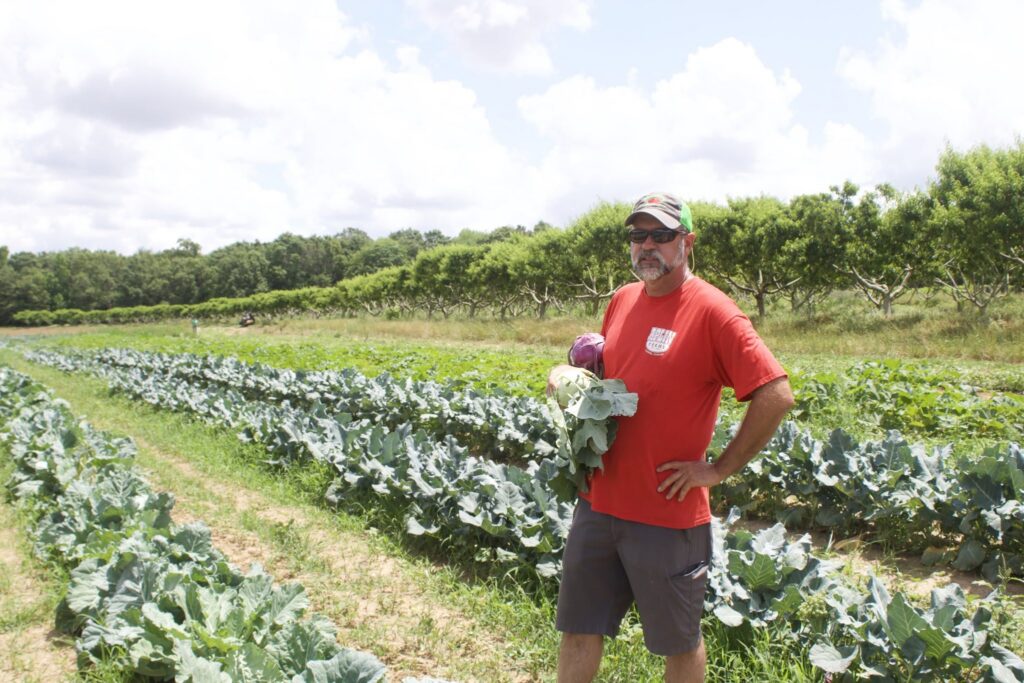
Aplin Farms (Sweet Grown Alabama/Facebook)
Founded in 2001, ASAN is best known for peer-to-peer learning, an approach Gurganus says it didn’t invent. It came from upstate New York: farmers teaching farmers. He says it earns the most positive feedback of anything ASAN does, because a farmer down the road who has made a practice work is more convincing than someone at a research farm.
ASAN describes itself as farmer-centered and says it prioritizes the perspectives of underrepresented farmers. Its website notes that many Alabama farmers are isolated and under-resourced, and its mission is to build the knowledge, resources, and networks that connect Alabamians to their food and the land.
The work takes several forms. The Undo the Knot Fund helps farmers untie whatever problem is holding them back, and Gurganus says the need is large because fewer than a third of the related USDA grants were awarded last year. ASAN also mobilizes volunteers for projects too big or unsafe for one or two people—like the group who refit a tornado-damaged 60-foot high tunnel, with ASAN covering food, restrooms, tools, and supplies. A YouTube library of farmer-to-farmer videos shares knowledge from working farms, and market-based training, including work involving Snow’s Bend and Stitt Group, teaches farmers what it takes to sell to restaurants.
Funding shifts, and a tool to keep farmland farmed
Federal support is shifting. ASAN recently lost a USDA grant as federal grants sunset, though Gurganus says they were lucky to get an end date. It has also been approved for a new USDA beginning farmer and rancher development grant, in partnership with Alabama A&M and Kentucky State.
Also underway is a land access toolkit, a web platform Gurganus describes as “part real estate site, part dating app.” It will connect retiring farmers with landless ones, keeping farmland in production instead of becoming subdivisions and data centers. Modeled on Farmlink programs in Georgia and North Carolina, it would be Alabama’s first. The question behind it: how do you lower the barrier for young farmers when land isn’t getting cheaper and labor is harder to find?
What farmers are facing
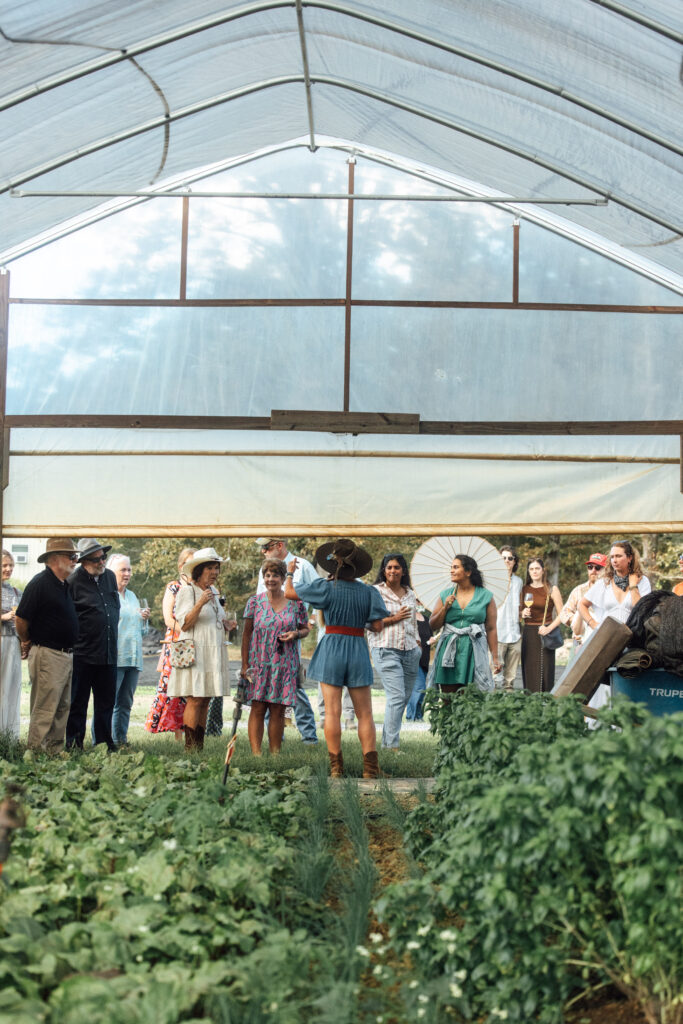
(Nick Balera/Courtesy of Outstanding in the Field)
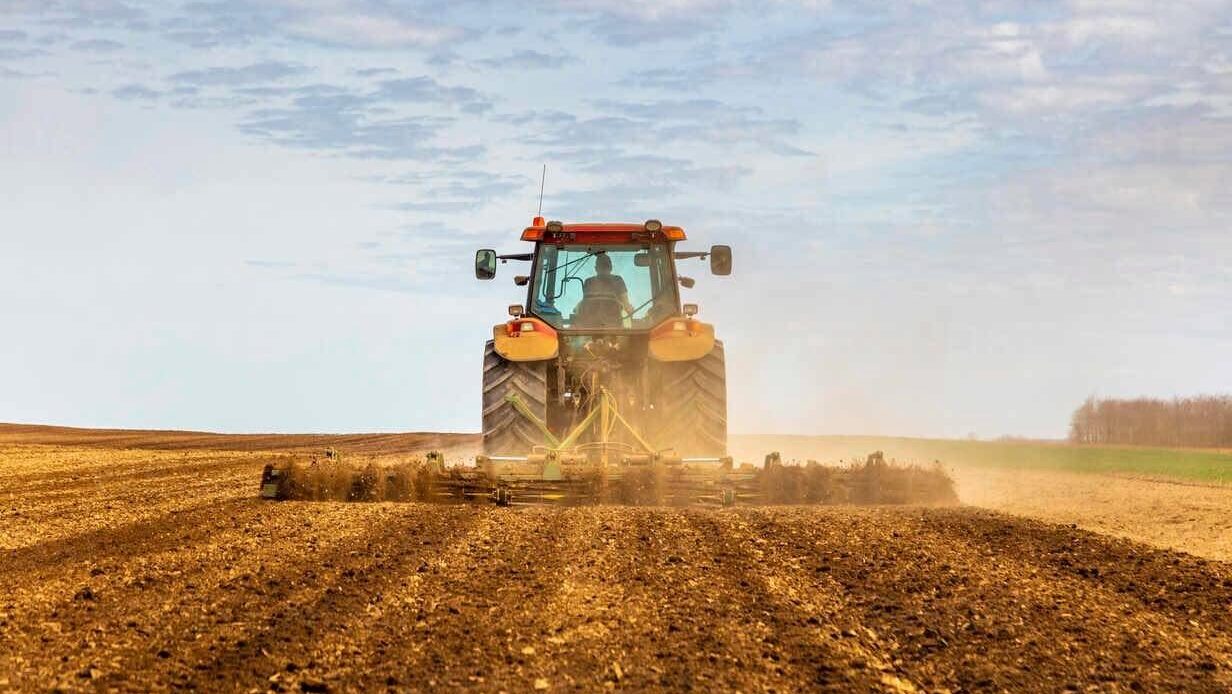
Fuel prices have farmers who rely on tractors rethinking how often they run their equipment. Labor is the persistent struggle. “There is a lot of romanticism around farming, Gurganus says. “But it is hard work, and when a freeze is coming tomorrow there is no waiting.” Farmers tell him they trained someone and the person left. Many manage on their own, and Gurganus notes a staggering statistic: more than half of U.S. farmers need a secondary income to have health insurance. Seasonal work also raises the question of where employees live—so ASAN plans to step in and help with this issue by building tiny homes.
Additionally, weather patterns are changing. Last summer brought so much rain that farmers couldn’t plant without seeds washing away and wet soil compacting, followed by a sudden drought. Older farmers put it best, Gurganus says. “I’ve had seasoned farmers tell me that they didn’t need irrigation when they first started—rain would come when they needed it.” And because these changes are happening within their lifetimes, it feels sudden.
“I don’t know any other business that requires input on something that may or may not survive,” he says.
Market access is tightening for small and mid-size farmers as conglomerates like Sysco dominate. Local food, Gurganus points out, is often Southern heritage food like collards, okra and field peas, and it isn’t typically produced that way. He sees promise in the Black Belt food corridor project, which is tackling cold storage and trucking so rural farms can get product to buyers.
The farmers you don’t see
Gurganus wishes more Alabamians understood that many people farm because they have to. In rural parts of the state, including food deserts, people start growing to feed their families, and it expands to feed their community.
The numbers are stark. Sixty percent of ASAN’s farmers earn less than $10,000 a year. They are not running combines and silos, and many are mid-size. Gurganus doesn’t know how many are on SNAP, but says it is higher than anyone would like.
That is the third tier of ASAN’s work: advocacy. Gurganus says the state could do far more through conservation incentives, which have been reduced. Last year he went to Washington to meet with senators about crop insurance, a federal program that covers only row crops like cotton and soybeans. “These are the farmers you see at a farmer’s market,” he says—the ones growing our beloved Southern food, without the safety nets given to those growing soybeans that get shipped away.
Guided by farmers
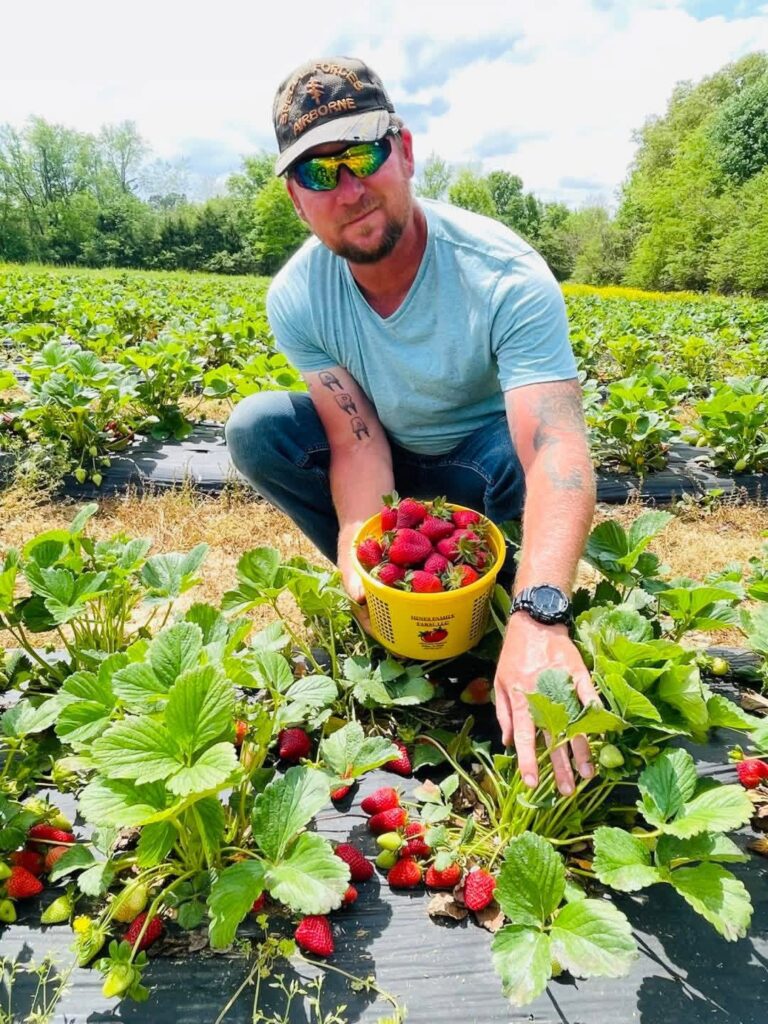
Hines Family Farm (Sweet Grown Alabama/Facebook)
Gurganus has spent his career in the nonprofit sector, where he understands how easily an organization can become focused on carrying out its own mission without first asking what the people it serves actually need. At ASAN, that means making farmer input central to the organization’s work and ensuring farmers have a seat on its board. Its core values are equity, right-relationship, thriving community and transformation. It also attends farmer conferences, works closely with the Deep South Food Alliance, sends a monthly newsletter, and belongs to Sweet Grown Alabama, the National Sustainable Agriculture Coalition, Alabama Arise and the Alabama Association of Nonprofits.
ASAN’s definition of sustainable agriculture, from its website, says it best: a balanced web of intergenerational relationships that produce food and fiber in a way that is ecologically regenerative, equitable and economically viable, allowing the land, and those who work the land, to thrive.
The next time you bite into something grown in Alabama, think about the months that came before it, and the person who lived them. Farming requires a level of planning, patience, and resilience that most of us never see. Their work is foundational to our communities, our food system, and our state’s economy, yet the people behind it don’t always receive the attention or support they deserve.
The more we understand what it takes to grow our food, the more intentional we can be about supporting the farmers who make it possible.
For more stories like this, subscribe to our newsletter and get the best of Alabama delivered to your inbox every Friday.