On an early July afternoon, as thunder rolled overhead, I slipped on my sandals and walked out to my garden. It’s not much of a garden, but it’s mine—a small square plot beside our house where, earlier this spring, I dug out the red clay earth and pressed seedlings in with a prayer. Tomatoes, peppers, okra. I scattered hundreds of zinnia and sunflower seeds. Some things thrived. This afternoon, Esterina cherry tomatoes now hang in golden yellow clusters. A handful of zinnias arrived in bursts of magenta and orange. The sunflowers never had a chance; the birds found those seeds first.
Not everything remains. And yet we plant anyway.
As America approaches its 250th birthday, I find myself ruminating on what we choose to carry forward. What remains when generations pass. What knowledge survives, what stories endure. What traditions are worth placing carefully, reverently, into the hands of those who come after us.
Across Alabama, that work is happening every day.
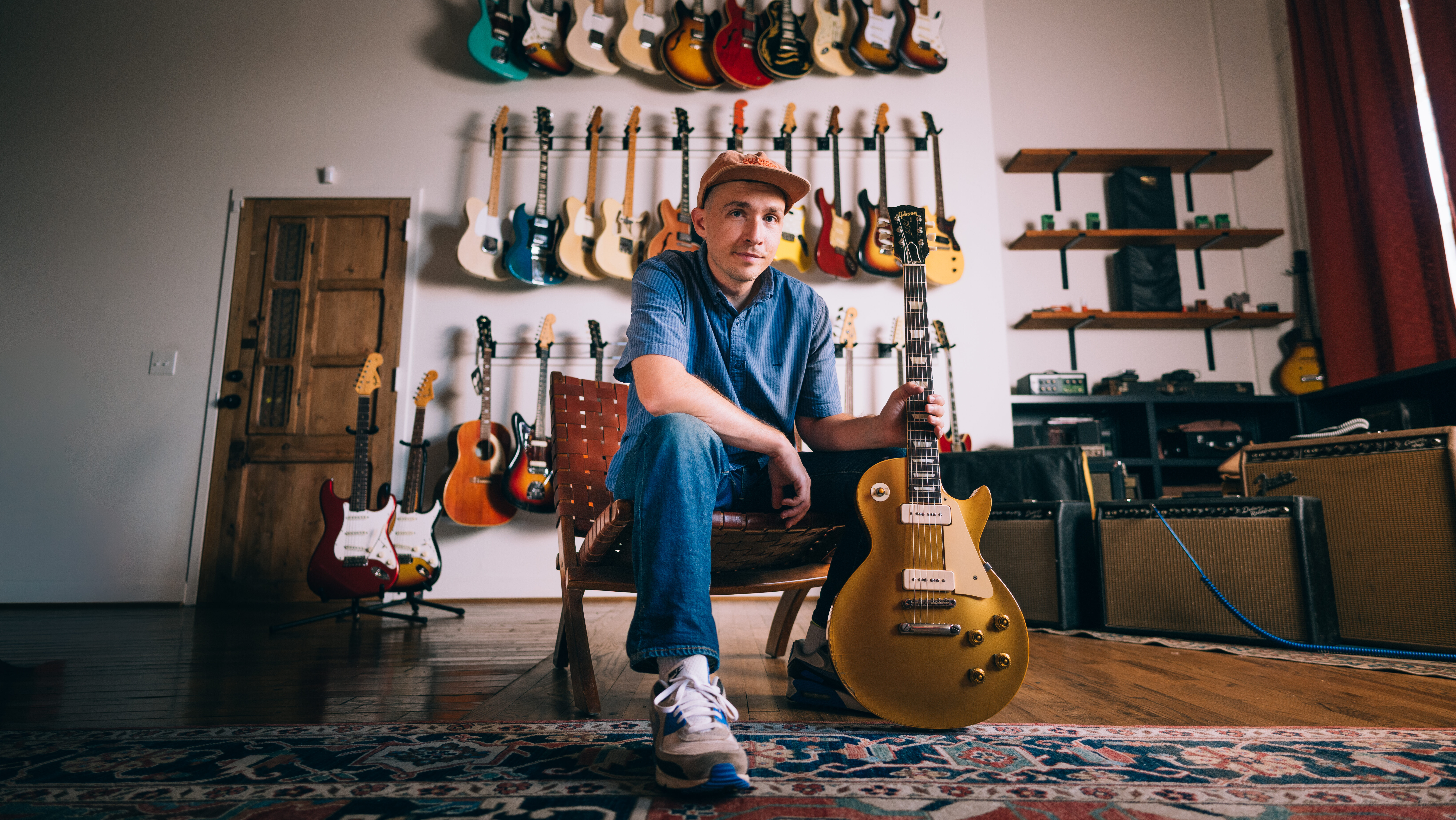
(Aaron Sanders Head/Contributed)
Artists, farmers, educators, conservationists, musicians, makers, and community builders are shaping the future not by fossilizing the past, but by ensuring it remains a living part of the story, one that’s still being written. The artists among us are stewards of that conversation.
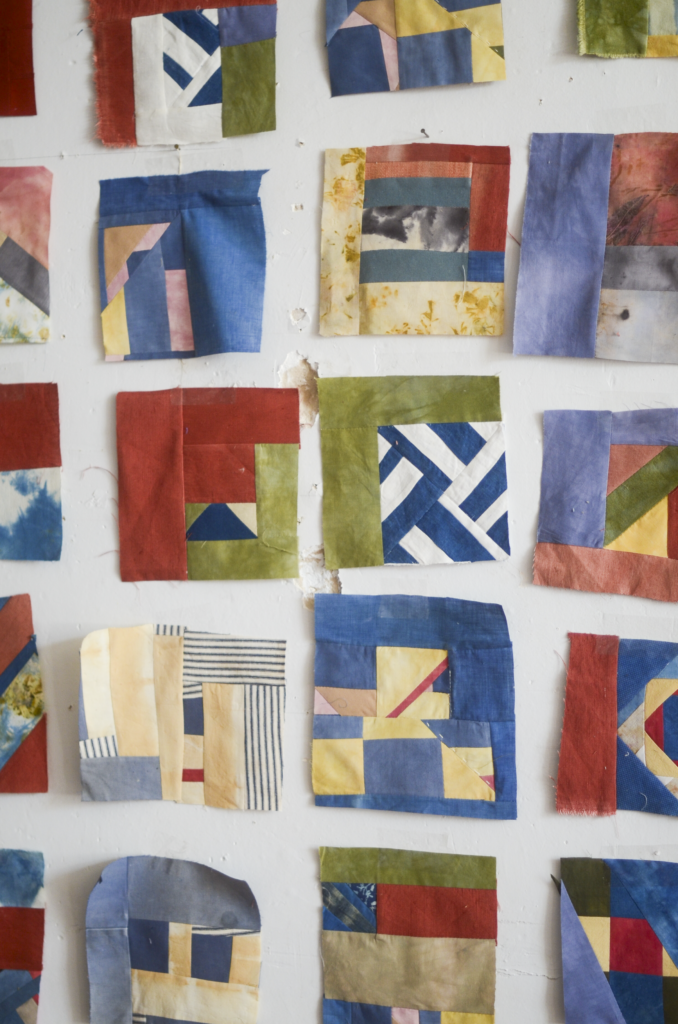
For Alabama artist Aaron Sanders Head, that relationship between past and future is central to his work. As a textile artist, he works in conversation with the land itself. Using botanicals gathered from fields, roadsides, and forests, he extracts color from black walnut, sumac, and marigolds.
“As an artist who often works with traditional craft techniques, I spend a lot of time thinking about the ways that the past intersects with an uncertain future,” he says.
It’s easy to think of tradition as something fixed—a relic from another era, protected behind glass or dogeared in a history book. But Head sees it differently.
“I think ‘craft’ is often laden with the idea that it is static, a fixed concept placed at a certain point in history, when the opposite is actually true,” he says. “Craft has always been a way of thinking expansively, of adapting to the times and finding ways to imbue everyday existence with a wink of magic.”
If craft teaches us anything, it is that traditions are not at all stationary. They remain relevant because each generation finds new ways to make them their own. I think about the knowledge that has been handed down to me.
Could I have asked AI how to grow tomatoes? Of course, and I may have even gotten a decent answer. But it could never replicate the experience of driving down a gravel road to visit my farmer friend, filling the backseat with young plants, and listening to her explain exactly when and how they should go into the ground. It could never replicate the wisdom and nuance, the human element, of someone who knows Alabama soil better than they know the back of their hand.
(Alabama Folk School/Contributed)
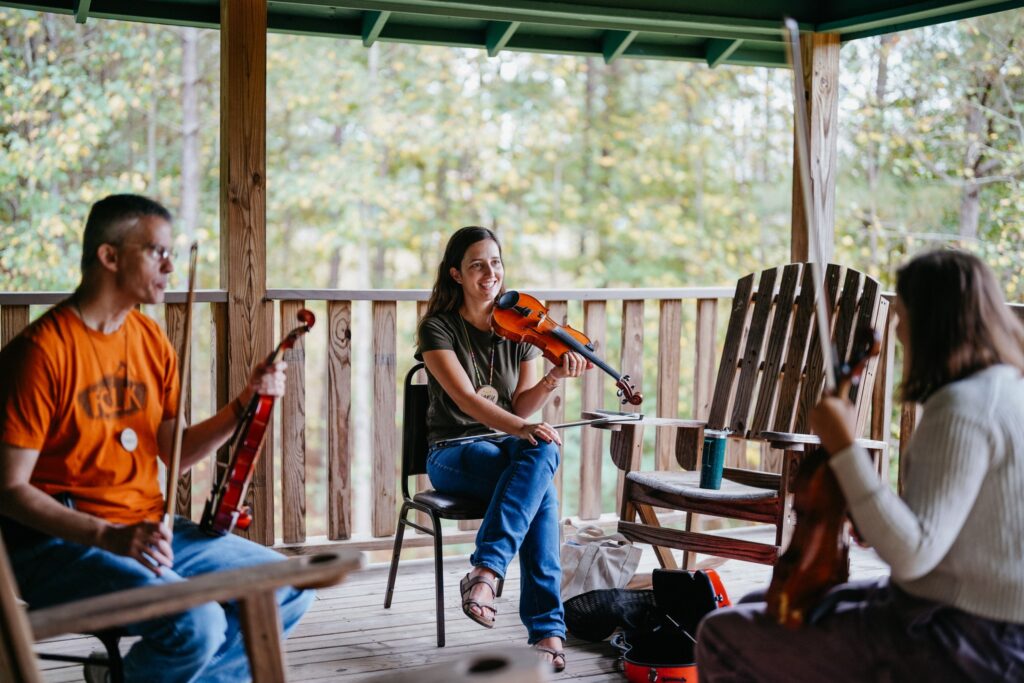
I think about the teachers at the Alabama Folk School, passing along precious skills that have traveled through generations—blacksmithing, woodworking, foraging, weaving. How to play “Whiskey Before Breakfast” on the banjo. I think about the difference between reading about a craft and sitting beside someone willing to place the tools in your hands and teach you how to use them.
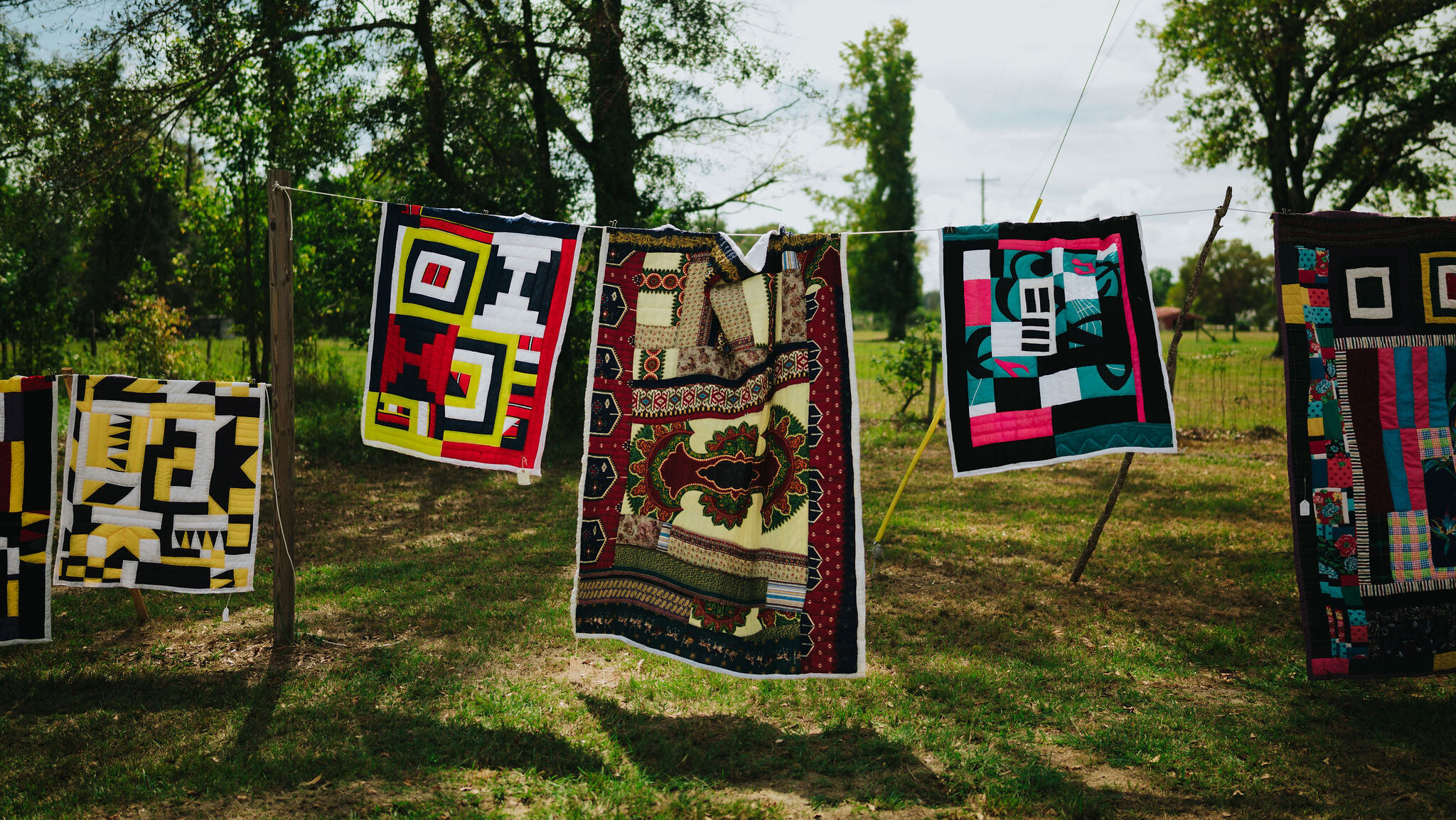
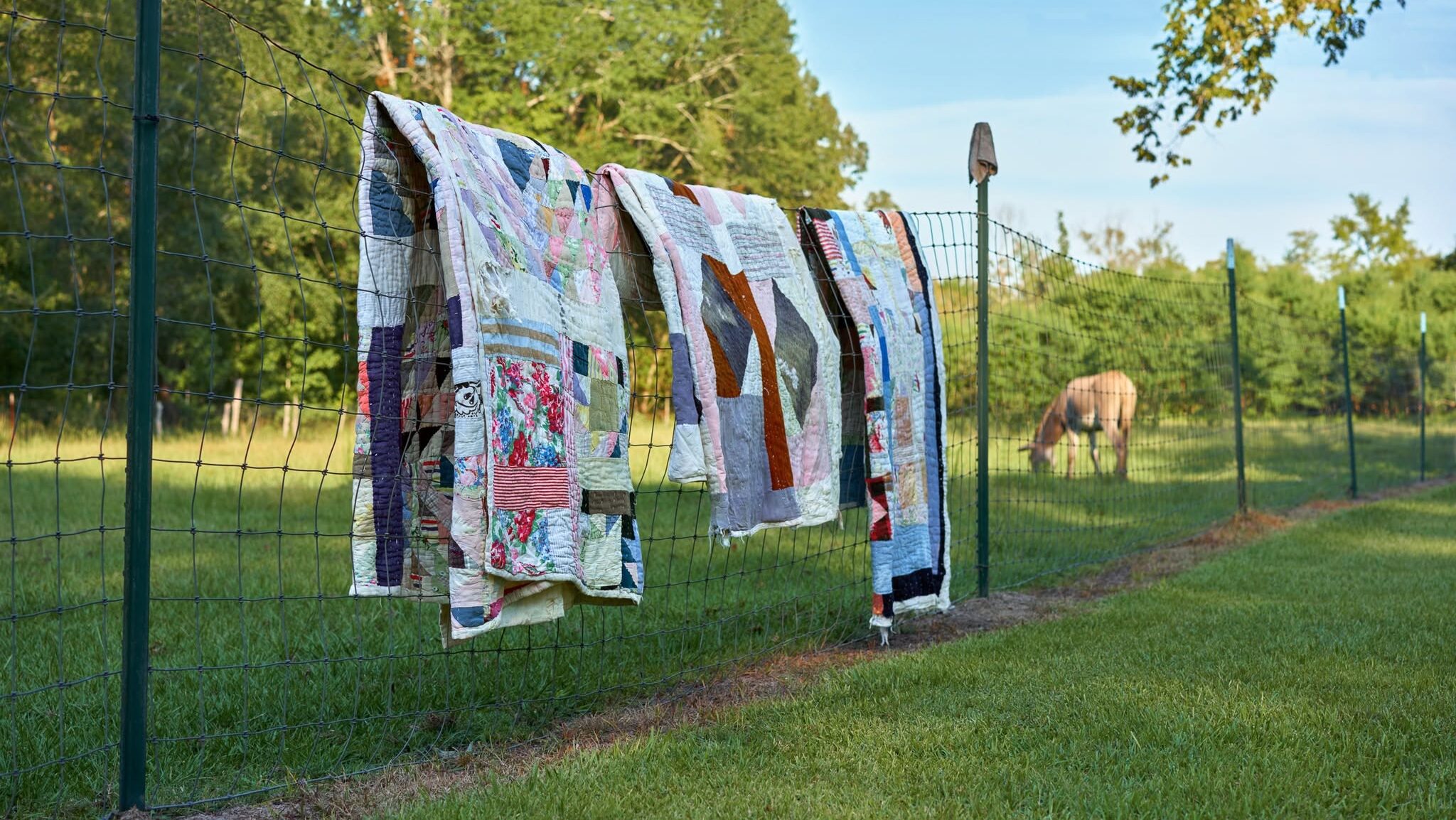
I think about the women of Gee’s Bend, whose quilts have carried stories, artistry, and resilience across generations. I think about farmers saving seeds. I think about conservationists restoring native prairies and forests, ensuring that Alabama’s natural heritage remains as much a part of our future as our past.
Head believes there is something powerful in that act of making.
“Our hands are powerful, visionary tools that can do things our minds do not even realize,” he says. “When we work with our hands, we remember that we are able beings with our own agency and responsibility to create the world we envision.”
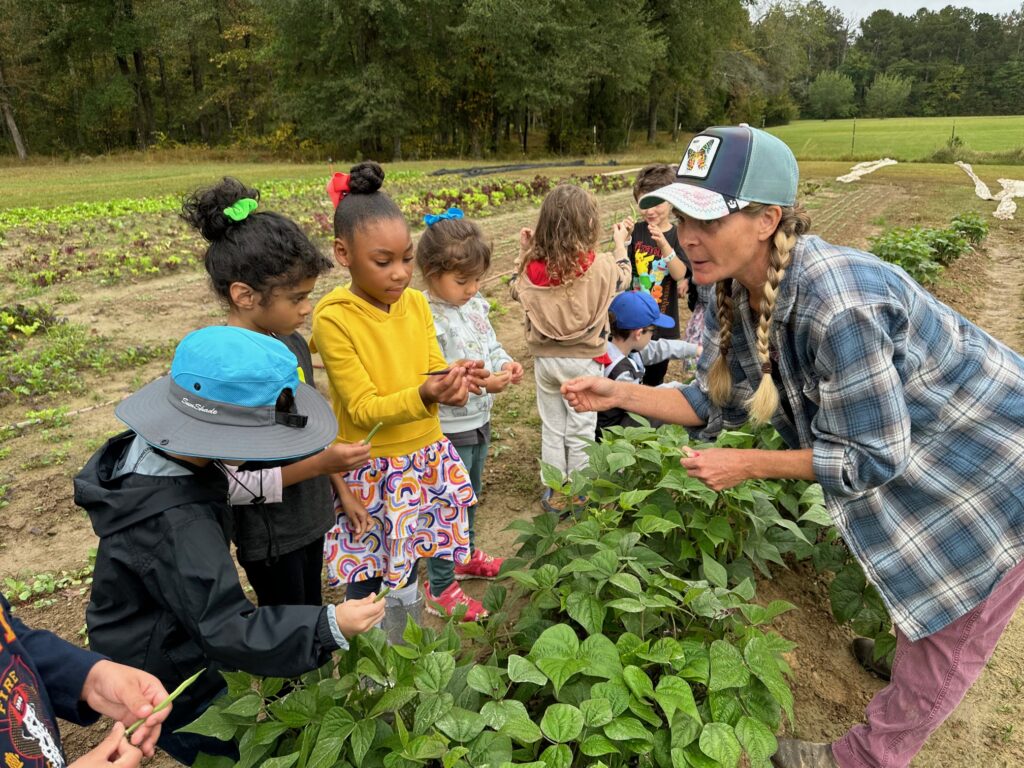
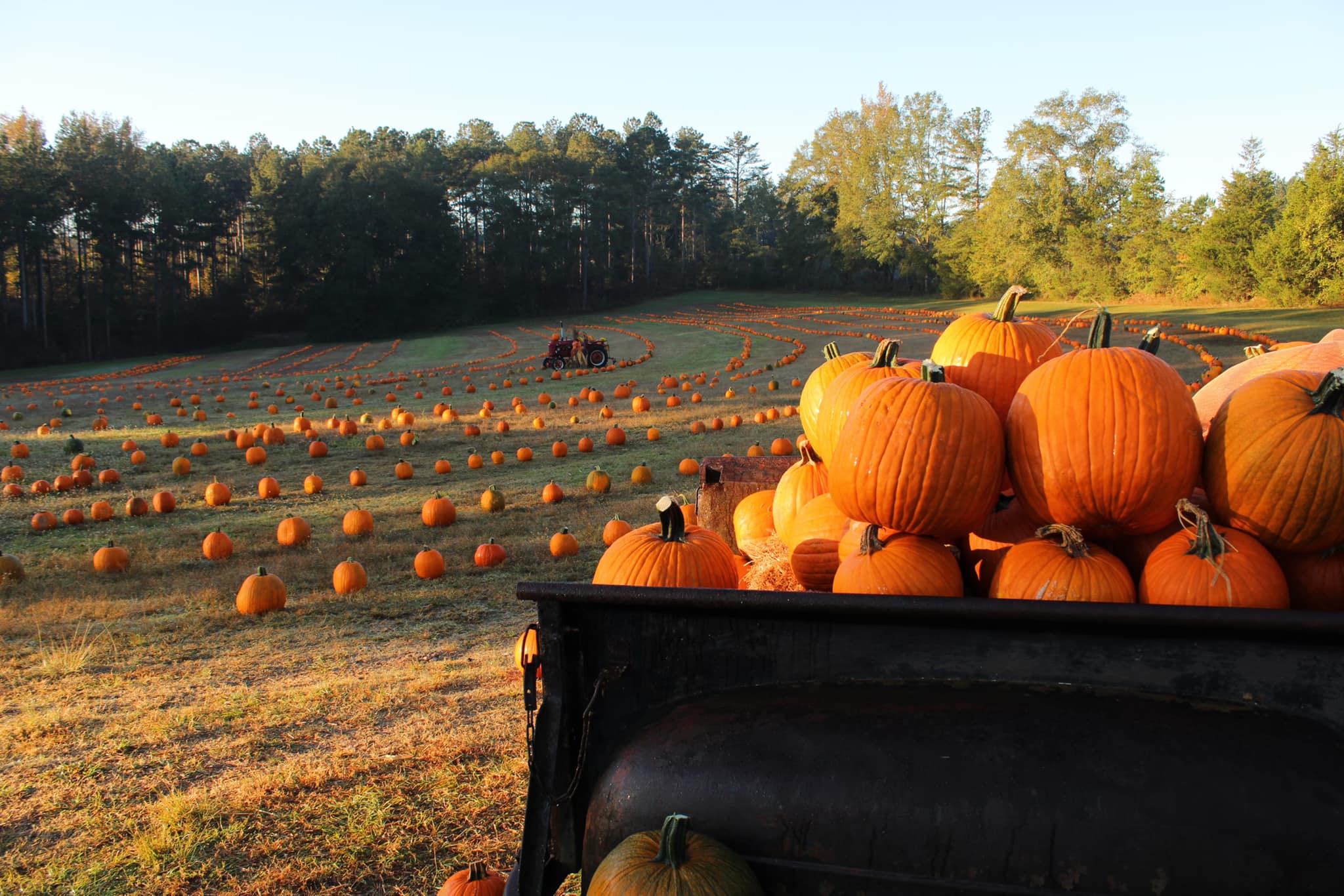
(Lovelight Farm/Contributed)
We often reserve the word “artist” for painters, sculptors, writers, and musicians. But perhaps the definition is broader than that. Perhaps the farmer tending a field is an artist. Perhaps the potter shaping clay, the quilter stitching fabric, the teacher passing along hard-earned knowledge, and the conservationist restoring a landscape are all engaged in the same act. They are creating something that did not exist before, and they are carving the ground with their words and voices.
“Creating art is one of the only ways that I know of really leaving a trace,” Head says, “of letting folks know that you were here, investigating and trying repeatedly to create a place worth marveling over.”
These traces take many forms. Some hang on museum walls or appear in gallery exhibitions. Others are softer and quieter, but just as important.
I think about the collections preserved in Alabama’s museums, where both triumph and tragedy are documented so future generations can better understand where we have been. I think about family journals packed into cardboard boxes. The spiral-bound church cookbooks stained with Crisco. Recipe cards so precious and faded that they can barely be read. Photographs with names scribbled on the back. Some of our most valuable inheritances are preserved in ordinary homes by ordinary people who simply decided something was worth saving.
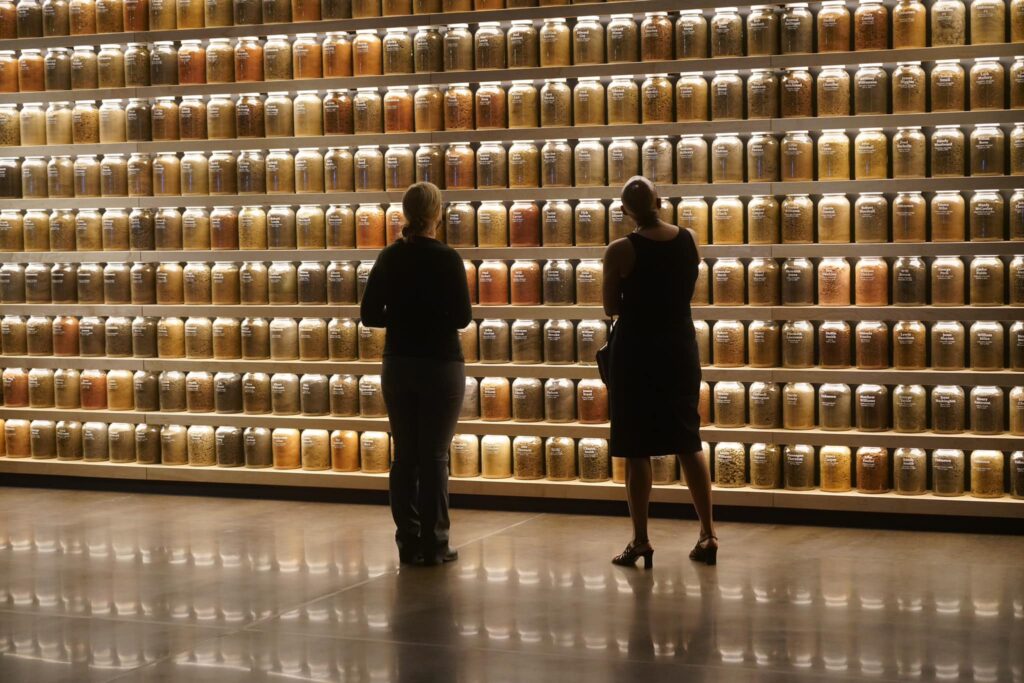
(The Legacy Sites/Facebook)
As conversations about the future increasingly center on technology, automation, and efficiency, Head sees reason for optimism in the human response. His hope for the future is not one defined by uniformity, but by curiosity.
“I hope we are able to let our future guiding principle be one of wonder,” he says, “and I am hopeful for a future where we are able to celebrate our many diversities and be even more elaborate in our eccentricities.”
As our nation marks 250 years, the future remains uncertain, just as it always has. Some seeds will flourish. Some will not. New challenges will emerge. New stories will be written. But still, we plant. We teach, we write, we create, and we share. And in doing so, we participate in the same quiet act that generations before us have undertaken: leaving something of value for those who will come next.
Head’s hope for the next 250 years is simple and profound. “I hope that we can collectively ensure that the next 250 years are a constant upwards journey towards that miracle of a future, with liberation for all.”
Maybe a future is not measured by what survives unchanged. It’s measured by what remains alive because we continue to plant, to teach, to share, and to create.