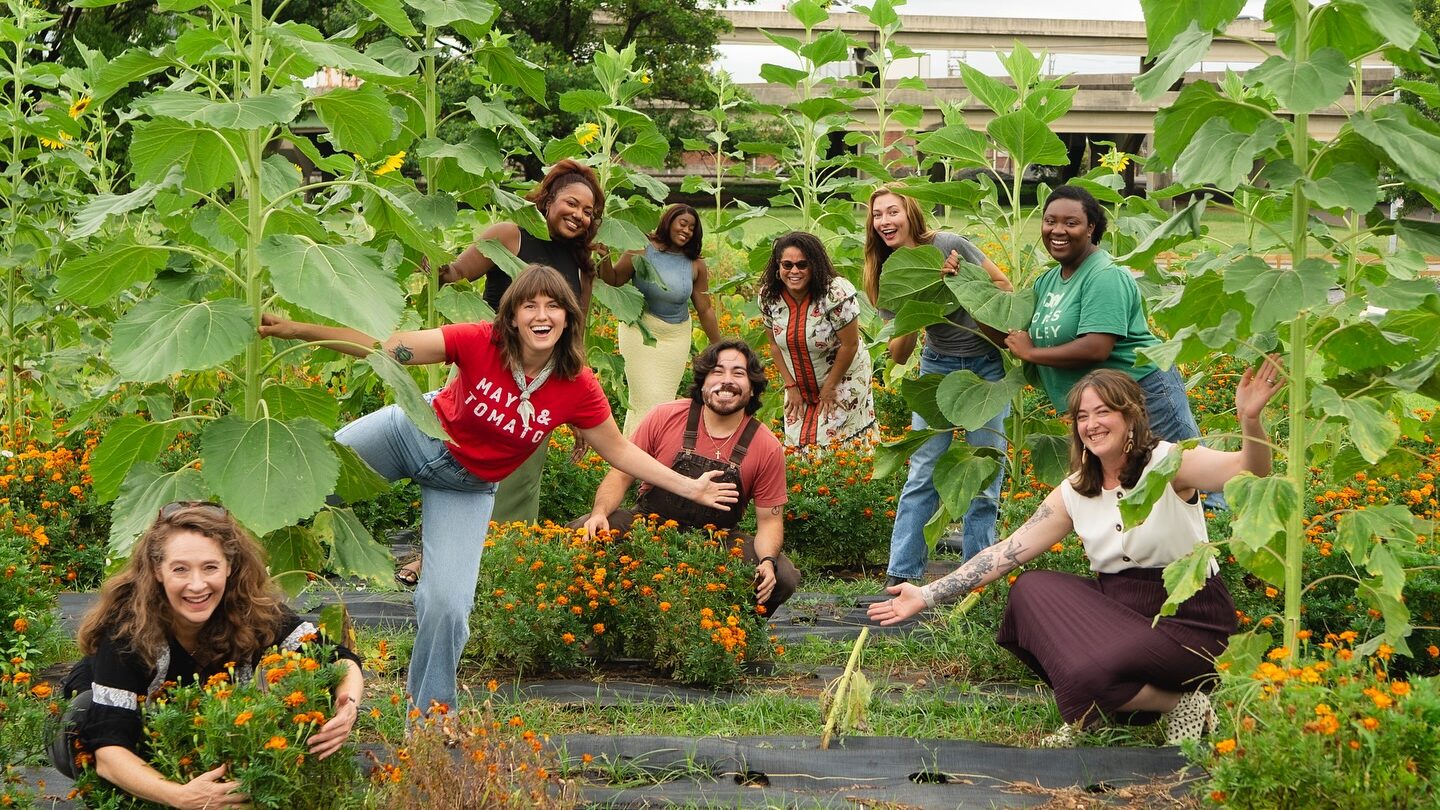
On three cultivated acres in Wilsonville, Alabama, something bright and beautiful is growing. Lovelight Farm, a Certified Naturally Grown (CNG) vegetable farm, is many things in one: a community hub, an educational space, and the realization of farmer Jennifer Dunbar’s deeply personal journey toward clean food, healing, and connection.
“We’re a woman-owned farm with a women-led labor force,” Jennifer says. “We’re moms. We want to grow food our kids can eat straight from the fields without fear of chemicals.”
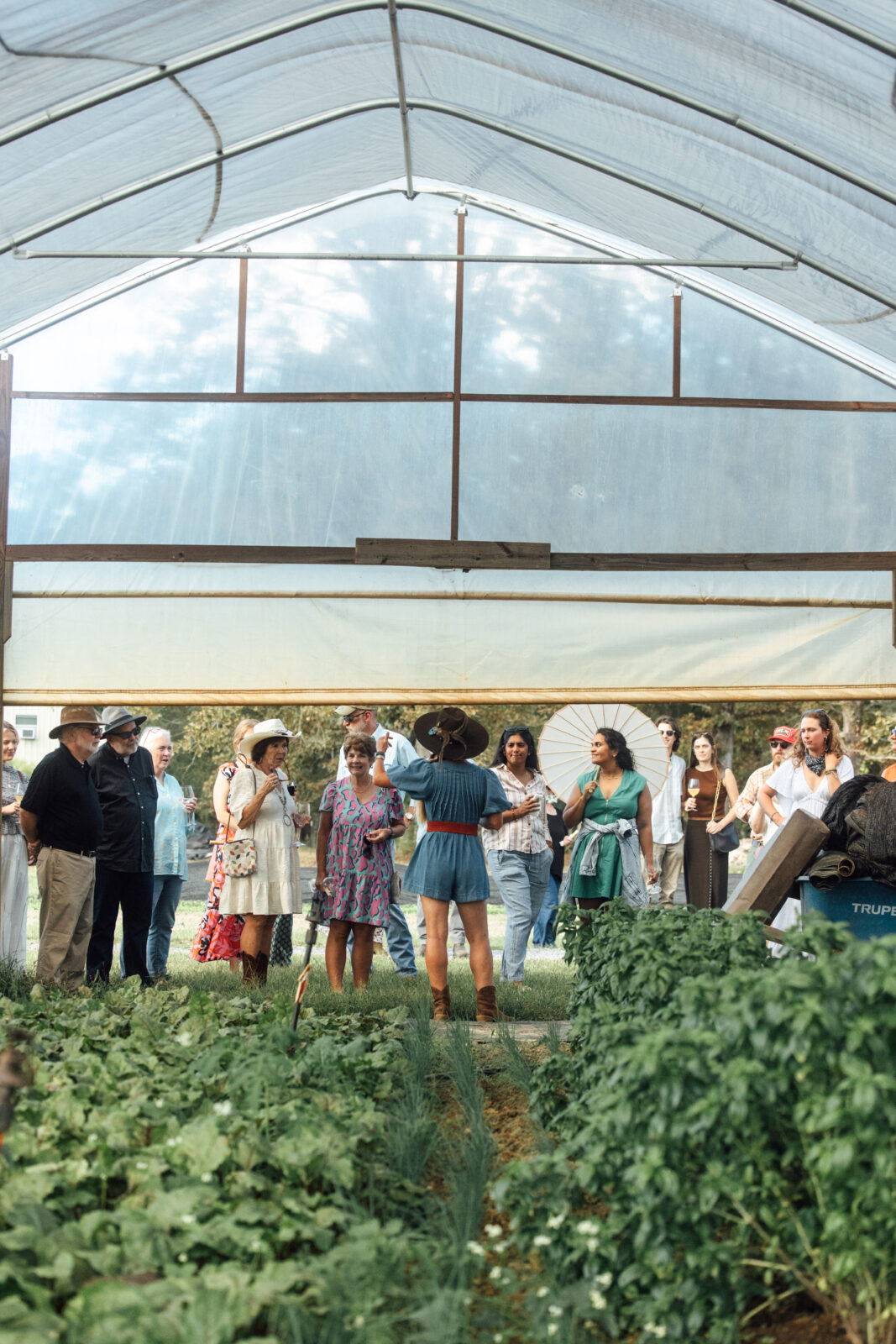
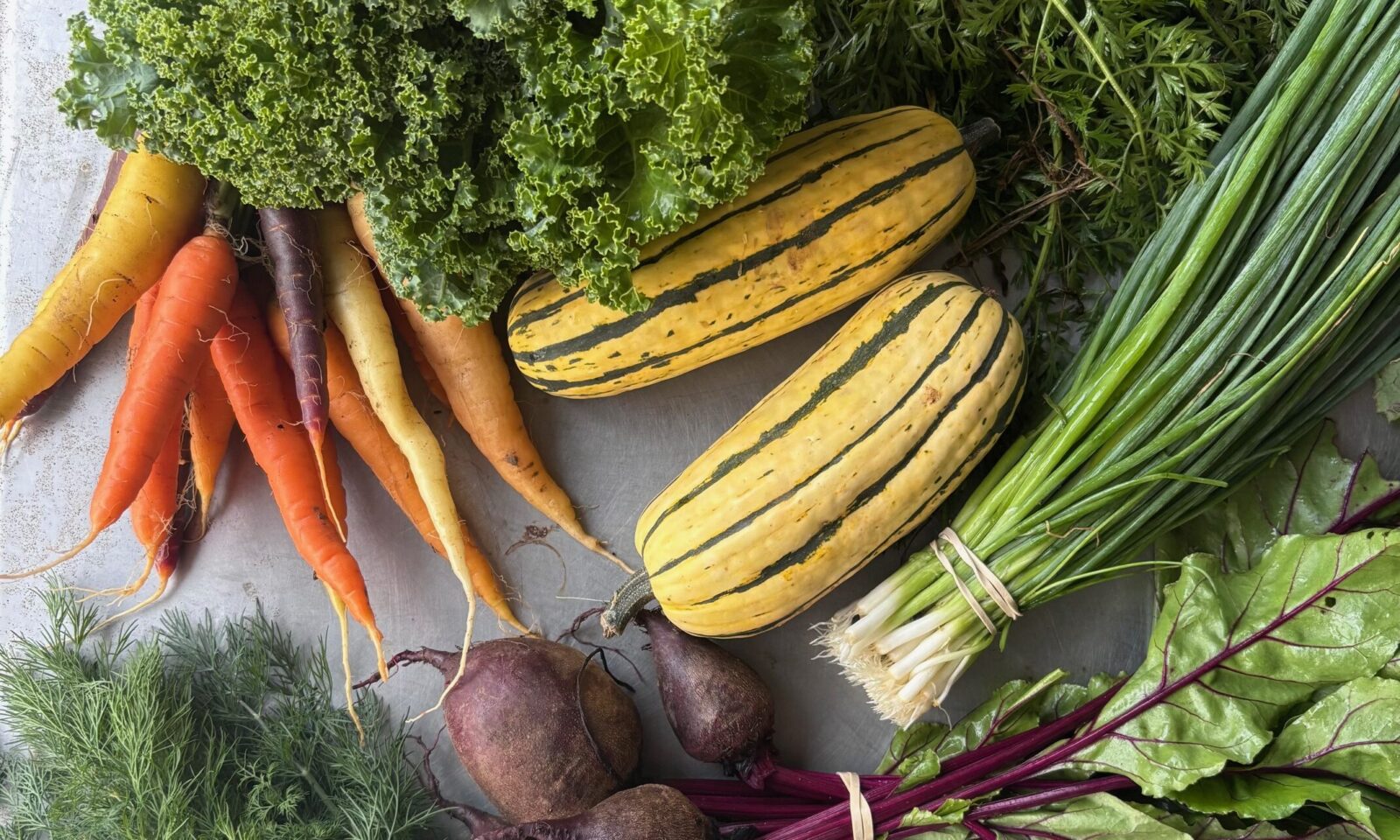
At Lovelight, that commitment is non-negotiable. The farm produces its own compost, avoids all herbicides, pesticides, and GMOs, and follows regenerative methods that support soil conservation, water stewardship, and native pollinator habitats. Every leafy green, carrot, and tomato is grown under the Certified Naturally Grown label, a farmer-to-farmer peer-reviewed standard that mirrors the USDA organic criteria while placing additional emphasis on environmental responsibility. “It’s a certification that really supports community, education, and sustainability,” Jennifer says. “You can’t just grow; you have to care for the land.”
(Nick Balera/Courtesy of Outstanding in the Field)
A Journey Rooted in Motherhood and Renewal
Jennifer’s path to farming didn’t begin in a field. Originally from Mobile and a Birmingham resident since 1994, she studied dance at Birmingham-Southern College, later teaching yoga and Pilates. The desire to provide clean food during motherhood first nudged her toward growing—a small garden, a few goats and chickens, and a deepening appreciation for nutrient-dense, chemical-free ingredients.
Then came a major life change. After a divorce, she leaned into intentional eating and wellness, meal-prepping for clients and forming close relationships with local growers. “It was the one thing I could control during a time when everything else felt uncertain,” she says.
During the early pandemic, walking loops around her neighborhood, she realized she needed more space—space to grow, to create, to heal. In 2020, she bought the Wilsonville property. “I had always been part of a CSA,” she says. “That became the basis of the farm.” Within months, she launched Lovelight’s first membership with 20–30 households and began selling to local restaurants and the Pepper Place Farmers Market, where she and her daughters can still be found most Saturdays.
Her learning curve as a farmer has been steep and hands-on. “You just do,” she says. “You try. You make mistakes. You listen to podcasts. Gardening is all about planning—but with so many unpredictable factors like weather, pests, and soil, you just hope for the best.”
But the work has meaning. “Has it been worth it? For my soul, absolutely. For my pocketbook, maybe not,” she laughs. “It’s a labor of love.”
As a single mother and one of few female farmers in the region, she sees her daughters watching closely. One is already pursuing environmental and sustainability work. “It’s a full-circle moment for me,” Jennifer says. “I’m really proud.”
A Farm That Connects People to Their Food

(Lovelight Farm/Contributed)
Education is woven through every row at Lovelight. Jennifer partners with schools for hands-on learning: planting cover crops, harvesting potatoes, and flipping soil. These experiences are where students learn firsthand how food moves from farm to plate.
“Seeing kids plant seeds and then take something home to their dinner table—it’s powerful,” she says. “They understand where their food comes from.”
Homeschool groups, Girl Scout troops, and field trips regularly visit the farm, gaining firsthand experience in regenerative agriculture and the gratification of hands-on work.
Community on the Table: Outstanding in the Field
(Nick Balera/Courtesy of Outstanding in the Field)
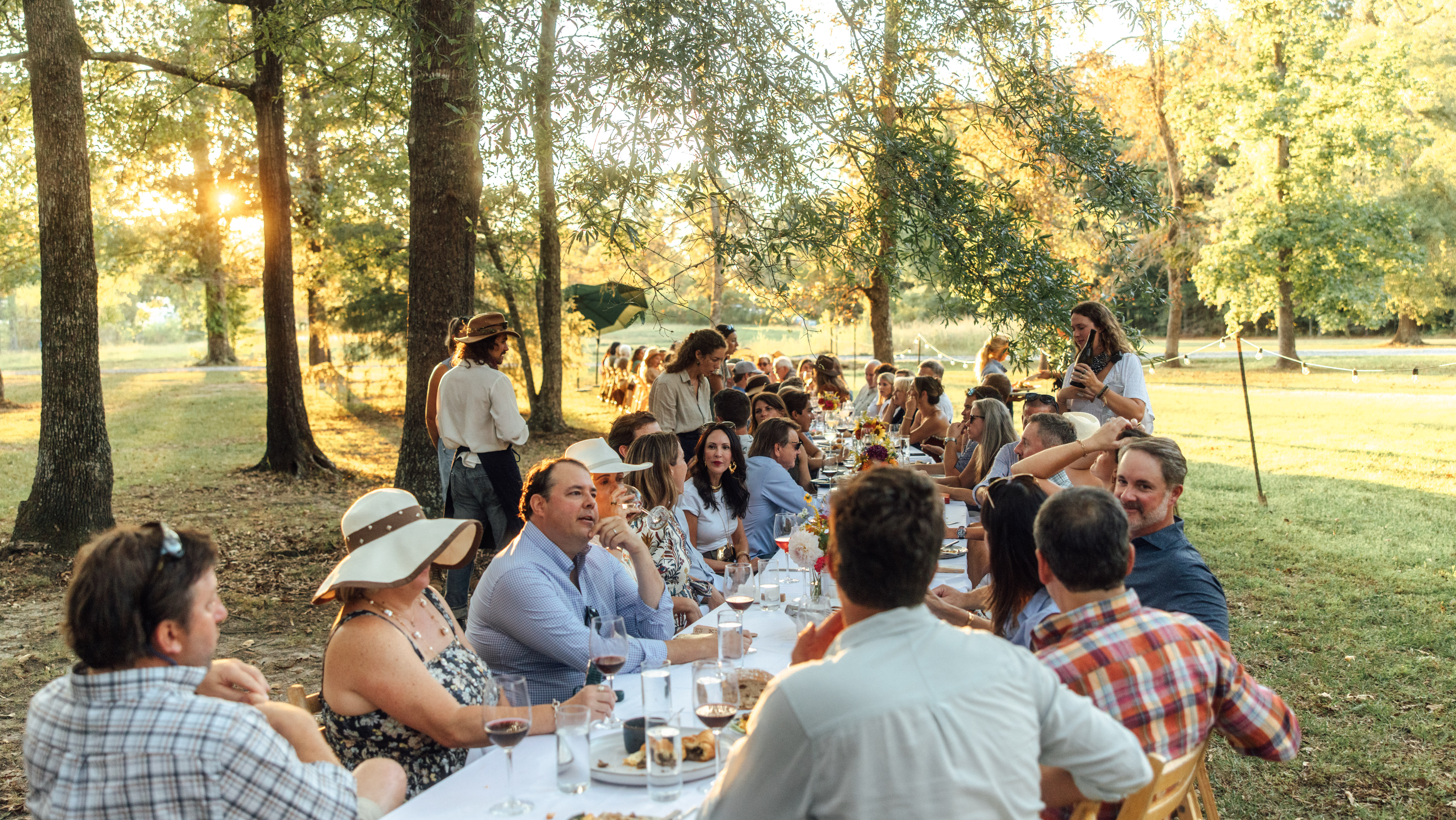
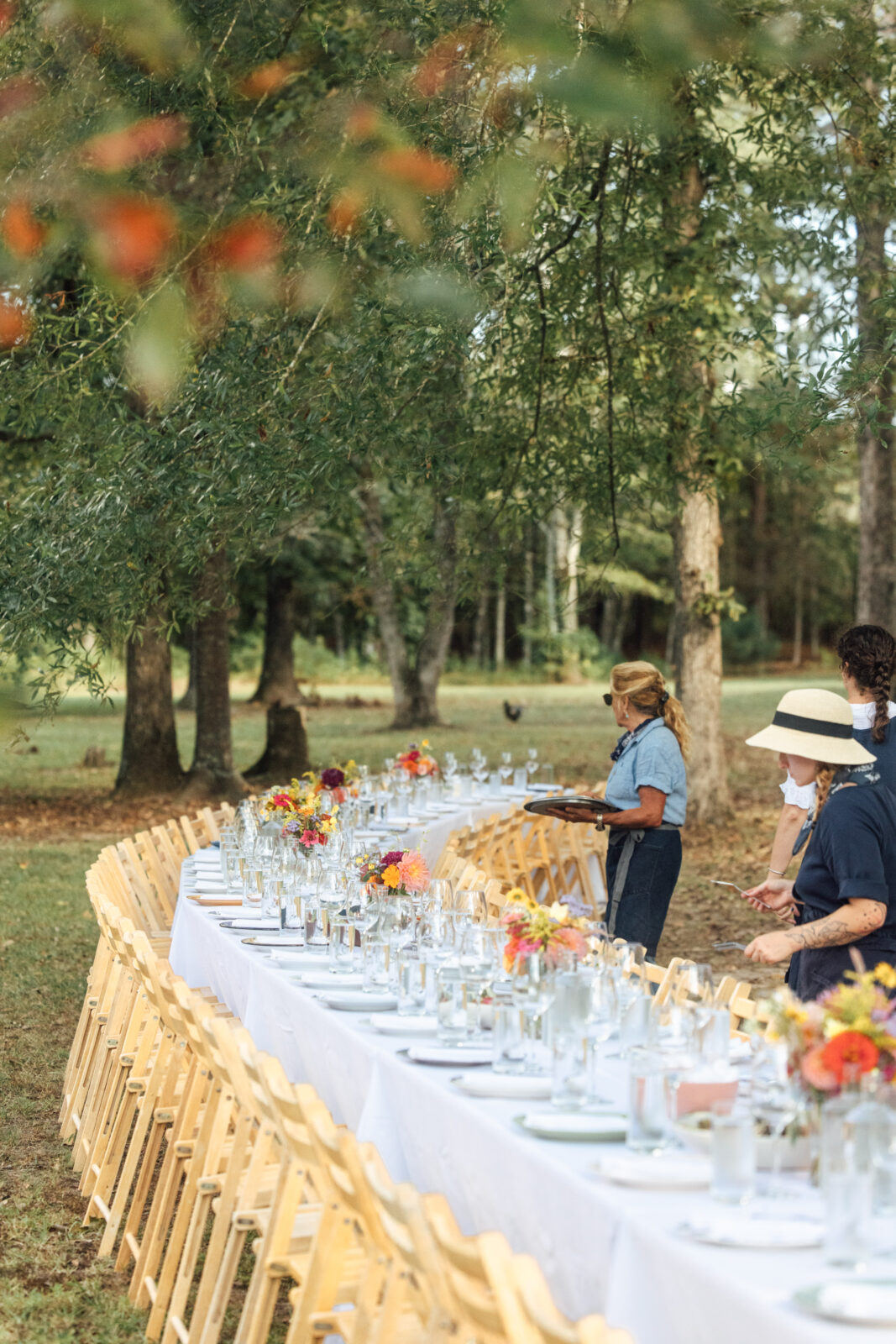
One of the farm’s most memorable moments came when Outstanding in the Field, the renowned traveling farm-to-table dinner series, selected Lovelight as a host site. The experience transformed the fields into a scene of pure magic.
A long, beautifully set table stretched through the field, lined with dahlias, flickering candles, white tablecloths. As the sun slipped behind the tree line, guests settled into their seats for the first bites of snapper en papillote with lemon and a late-summer heirloom tomato galette, while the team from Vins de Lieu poured French wines between courses.
Jennifer partnered with chef Kristen Hall of La Fête, keeping in constant communication about what was in season and which ingredients were ready to harvest. Local producers like Magic City Mushrooms and Better Kombucha joined in, turning the dinner into a true Alabama collaboration.
“It was a lot of work, but eating in the place where the food was grown—it was pretty magical.”
How to Support Lovelight Farm
Community support is the backbone of Lovelight’s work. CSA memberships remain the best way to join the farm’s mission, offering customers freshly harvested produce each week with multiple local pickup options.
Jennifer also invites people to shop from her booth at Pepper Place most weekends, attend seasonal events like the April plant sale, and simply continue showing up for small-scale Alabama growers. “Supporting local farms matters,” she says. “What keeps us going is the community.”
Farming requires a surprising range of skills—electrical work, small engine repair, carpentry, tractor troubleshooting—all of which Jennifer has learned on the fly. “I thought I’d be frolicking through flowers,” she says, laughing. “Instead I learned how to hotwire a tractor.”
What she’s built, though, is something deeply rooted: a place where food is grown with intention, where children learn with their hands in the soil, and where community is beautifully cultivated.
(Lovelight Farm/Contributed)