In 1971, the Birmingham Museum of Art acquired a painting by Henry Ossawa Tanner. It was the first work by a Black artist to enter the Museum’s collection.
More than five decades later, that single acquisition has grown into something much larger. Today, the Birmingham Museum of Art holds more than 1,000 works by more than 250 Black American artists, spanning two centuries of artistic production and including works by some of the most influential artists in American art.
Beginning September 26, visitors will be able to see that history brought together in Roll Call: Two Hundred Years of Black American Art, a major exhibition drawn entirely from the Museum’s permanent collection. The exhibition features 99 works, while an accompanying fully illustrated publication expands the story to include more than 250 artworks by every Black American artist represented in the Museum’s collection.
Together, the projects tell two stories at once: the history of Black American art and the history of how Birmingham chose to collect, preserve and share that art.
“Roll Call reflects both the artistic brilliance of Black artists and the ways a museum collection evolves through intentional choices and community engagement,” said Jade Powers, Hugh Kaul Curator of Contemporary Art. “The exhibition and publication together highlight moments when artists, curators, and advocates came together to expand the stories our collection tells.”
A story told through four themes
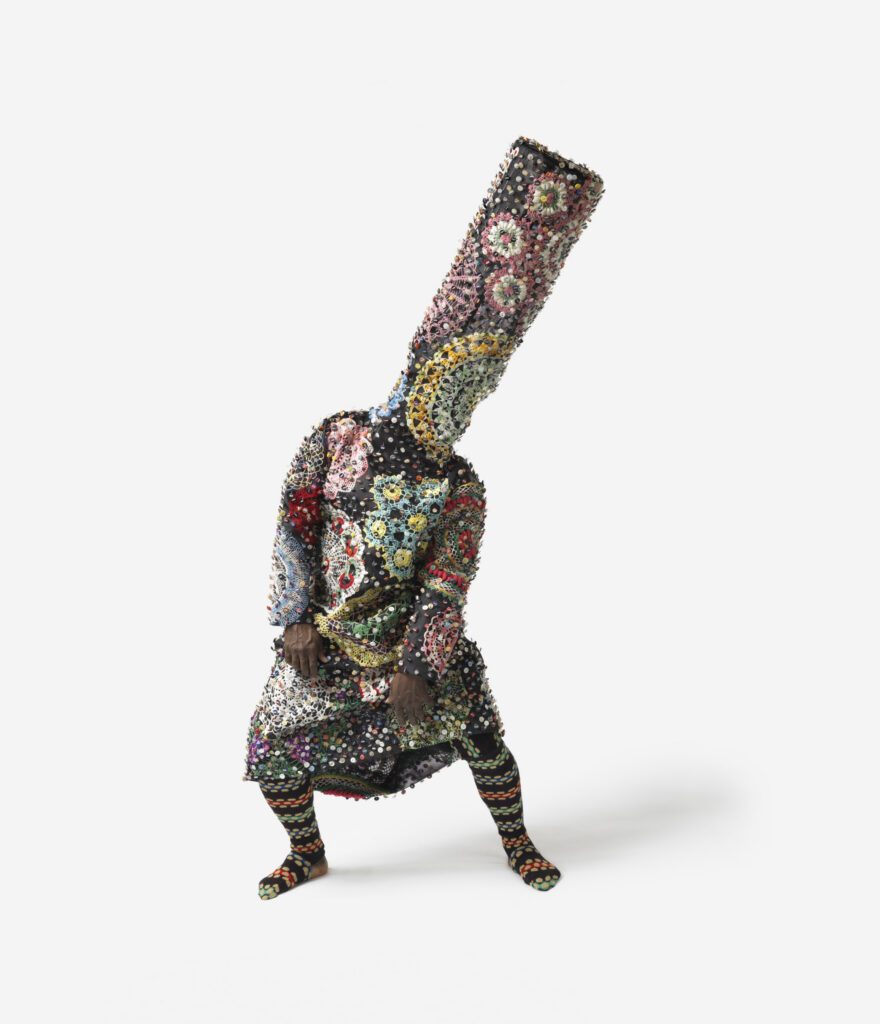
Nick Cave (born 1959), Soundsuit, 2009, fabric, with appliquéd crochet and buttons,
knitted yarn, and mannequin, 96 × 27 x 14 in. (243.8 × 68.6 × 35.6 cm); Collection of the
Birmingham Museum of Art; Museum purchase with funds provided by the Collectors
Circle for Contemporary Art, 2010.80, © Nick Cave, image credit: Courtesy of the artist
and Jack Shainman Gallery, New York
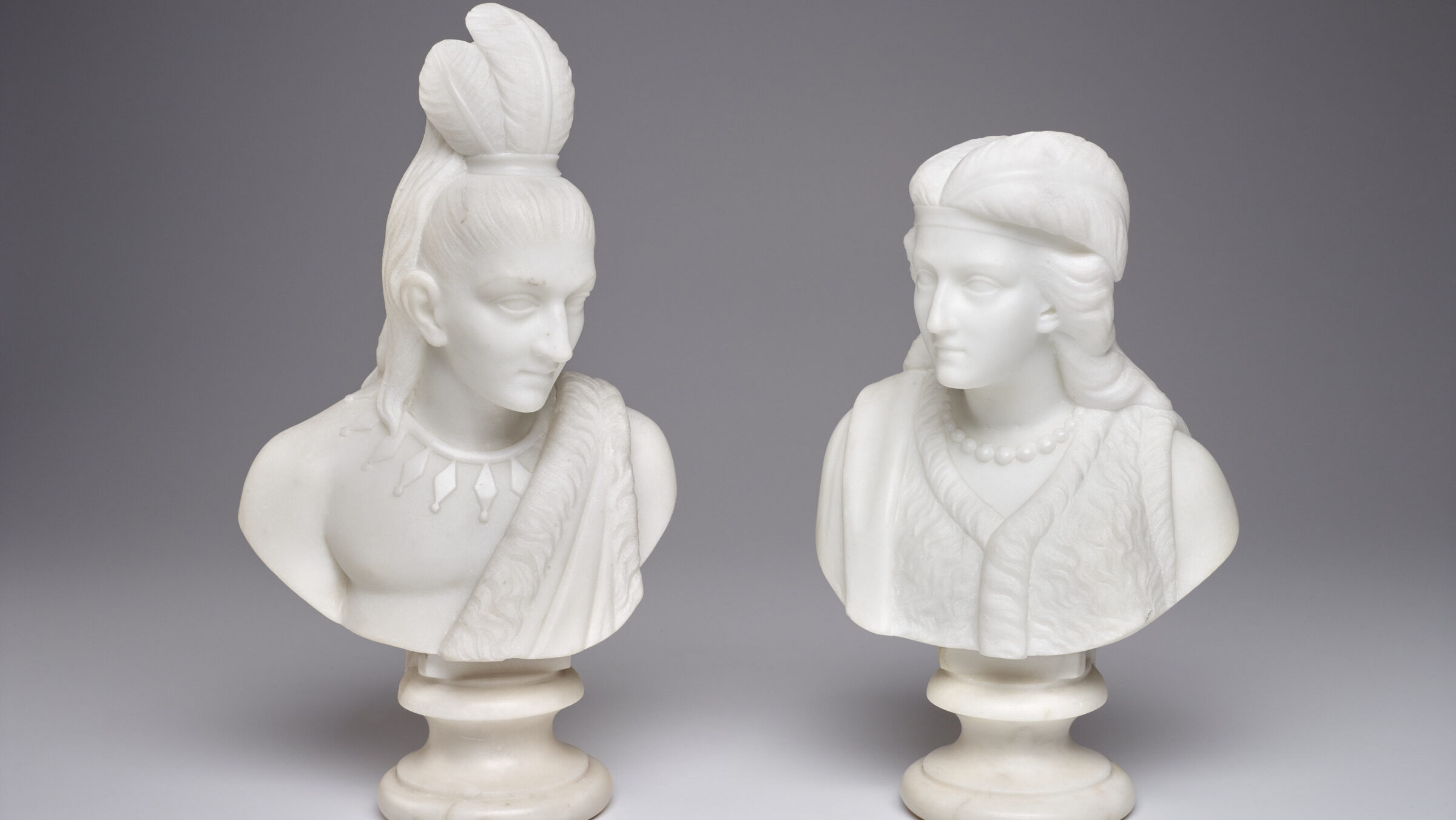
The exhibition reaches from the early 19th century to the present, bringing together paintings, prints, photography, sculpture, textiles and mixed-media works. Artists represented include Romare Bearden, Dawoud Bey, Chakaia Booker, Elizabeth Catlett, Nick Cave, Jeff Donaldson, Robert S. Duncanson, Meta Vaux Warrick Fuller, Sam Gilliam, Joshua Johnson, Jacob Lawrence, Edmonia Lewis, Glenn Ligon, Lorna Simpson and Carrie Mae Weems.
But Roll Call is not simply a survey of individual artists. Organized into four thematic sections, the exhibition considers the people, places and decisions that helped shape the collection itself.
The Ground We Stand On looks at foundational moments in the Museum’s history, including early acquisitions of work by Black artists. Ujima: Collective Work and Responsibility examines the role community members and advocates played in expanding the collection. What Freedom Feels Like explores how artists have used different visual languages to consider lived experience, self-expression and political consciousness.
The final section, In the Heart of It All, brings the story home. Works connected to Alabama and Birmingham explore the significance of place and the ways local histories intersect with broader cultural and national narratives.
Bringing the story back to Birmingham
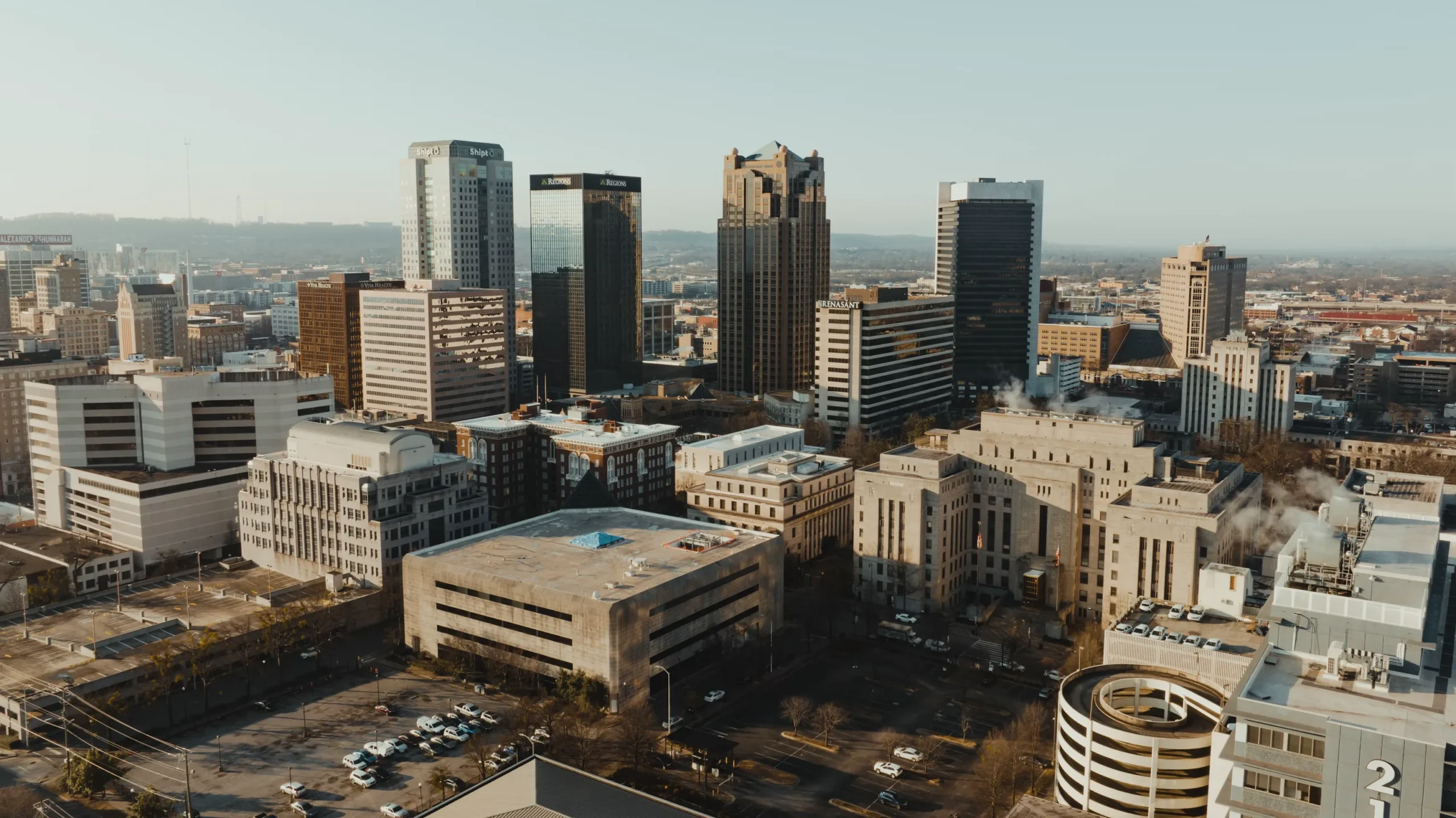
That local connection is an important part of the exhibition’s story. While the collection reaches across the United States and the African diaspora, Roll Call also asks what it means for this particular collection to exist in Birmingham and how the city’s own history has shaped the way its museum tells stories about American art.
“The exhibition and publication reflect the cumulative impact of artists, curators, collectors, donors, and community members,” said Chantal Drake, Interim Director and CEO of the Birmingham Museum of Art. “Together, they document how far the Museum has come in building this collection while demonstrating our ongoing commitment to preserving and sharing these histories for future generations.”
That idea of a collection as something built over time is at the center of Roll Call. The works on the walls represent the artists who created them, but they also reflect the people who recognized their importance, advocated for their inclusion, acquired them and ultimately made it possible for future generations to encounter them in Birmingham.
A book that expands the collection’s story
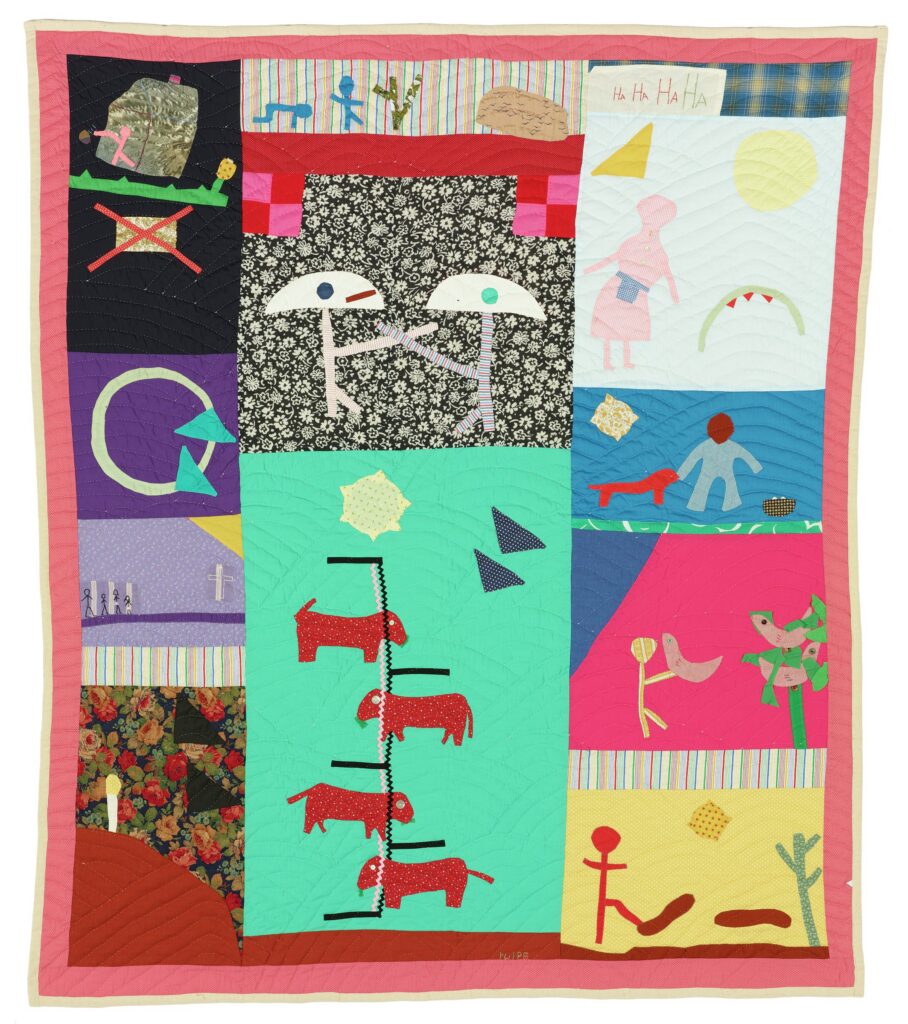
Yvonne Wells (born 1939), Proverbs Quilt, 1988, cotton, polyester, and mixed-blend
plain and printed fabrics with buttons and rickrack trim, 75 × 64 in. (190.5 × 162.6 cm);
Collection of the Birmingham Museum of Art; Museum purchase, 1989.63, © Yvonne
Wells. Courtesy of the artist and Fort Gansevoort, New York
The accompanying publication makes that history even broader. Roll Call: Two Hundred Years of Black American Artfeatures more than 250 artworks and includes every Black American artist represented in the Birmingham Museum of Art’s collection. The volume brings together paintings, prints, photographs, sculpture, quilts and mixed-media works while documenting artists working in Alabama and throughout the United States.
The publication is now available through the Birmingham Museum of Art’s online shop.
Opening a new chapter
The Museum will mark the exhibition’s opening with a weekend of programming beginning Friday, September 25, with the Roll Call Opening Panel: In Conversation with Richard Dial, Roscoe Hall, and Celestia Morgan. Museum members will also have an opportunity to preview the exhibition during Members Day before it opens to the public on September 26.
Additional programs and events will continue throughout the exhibition.
More than 50 years after Henry Ossawa Tanner became the first Black artist represented in the Birmingham Museum of Art’s collection, Roll Call offers an opportunity to look at how much that collection has grown—and to consider the artists, community members and generations of Birmingham residents who helped shape what it has become.
Roll Call: Two Hundred Years of Black American Art is curated by Jade Powers, Hugh Kaul Curator of Contemporary Art at the Birmingham Museum of Art.
Love this story? Subscribe to our newsletter and get the best of Alabama delivered to your inbox every Friday.