Across Alabama, chefs are building deeper relationships with the people who grow their food—shaping menus around what’s in season, sourcing with intention, and creating dishes that tell a larger story about place. This locally-sourced mindset reconnects kitchens to farms, fisheries, and food traditions that have long shaped the South.
That connection is at the heart of Seed to Soul, a video series from SoulGrown that highlights chefs who are championing local producers and bringing greater awareness to Alabama’s foodways. Through each episode, the series steps into the kitchen to explore not only what chefs are cooking, but where those ingredients come from and the people behind them.
(Acre/Facebook)
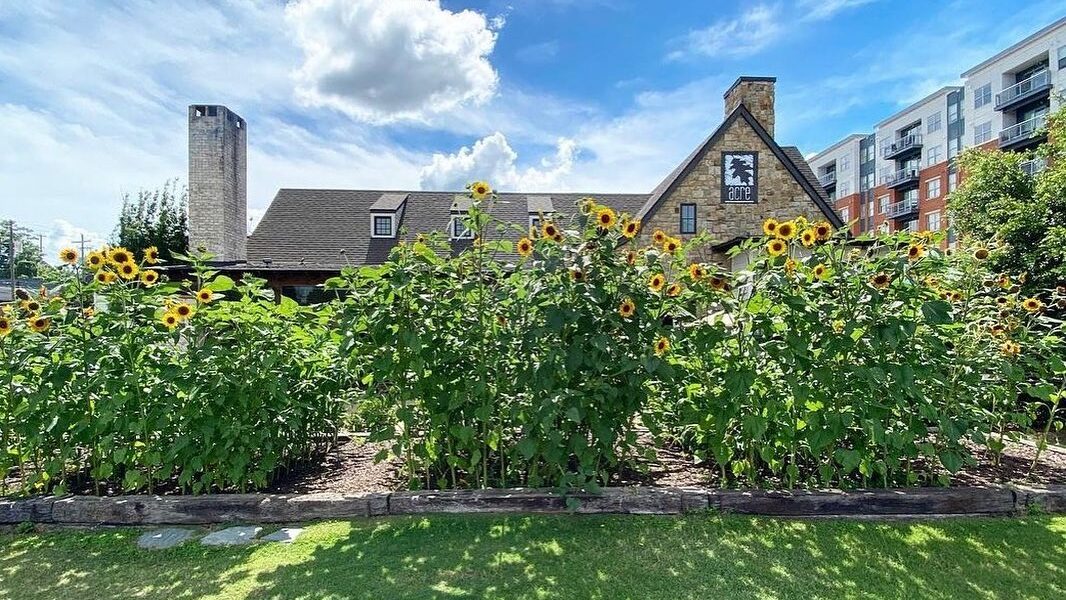
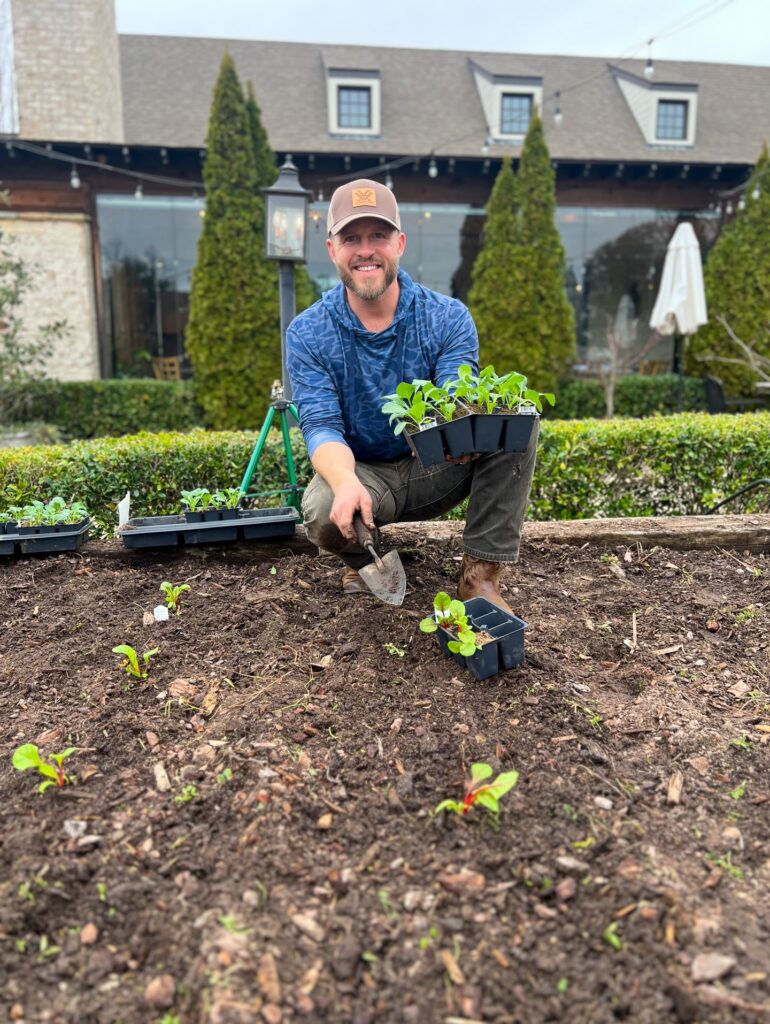
At Acre in downtown Auburn, that philosophy is woven into nearly every part of the restaurant. Set on a historic acre just blocks from Toomer’s Corner, Acre blends refined Southern cooking with a deep respect for Alabama agriculture and craftsmanship. Fruit trees wrap around the property, herbs and vegetables grow just steps from the kitchen, and reclaimed materials from family farms and historic buildings shape the restaurant itself. Since opening in 2013, Chef David Bancroft has built Acre around the idea that food should reflect the land and the people responsible for it.
Chef David welcomes us into the restaurant on a bright spring morning with plate of Murder Point oysters in front of him—cool, briny, and glistening like jewels. Beside them sits a bowl of vibrant orange aguachile, which he carefully spoons over each oyster before topping them with delicate coriander blossoms.
For him, serving oysters raw is intentional. He wants people to experience them exactly as they are. “I love to feature Murder Point oysters raw because I really want to show off their freshness,” he explains.
Those oysters come from Murder Point Oysters, where fifth-generation fisherman Lane Zirlott and his family raise each oyster by hand in the waters of the Gulf Coast. Tide-tumbled and harvested with care, the oysters reflect both the resilience of the region and the people whose lives are tied to the water.
Nearby, ripe peaches add another layer of Alabama flavor to the dish—though these didn’t come from an orchard out in the country. Chef David smiles as he explains their unusual origin.
“I’ve gone out and picked a few of the peaches that are already ready…we have peaches way earlier than anyone else, because ours are wrapped around the parking lot and the asphalt heats them up.”
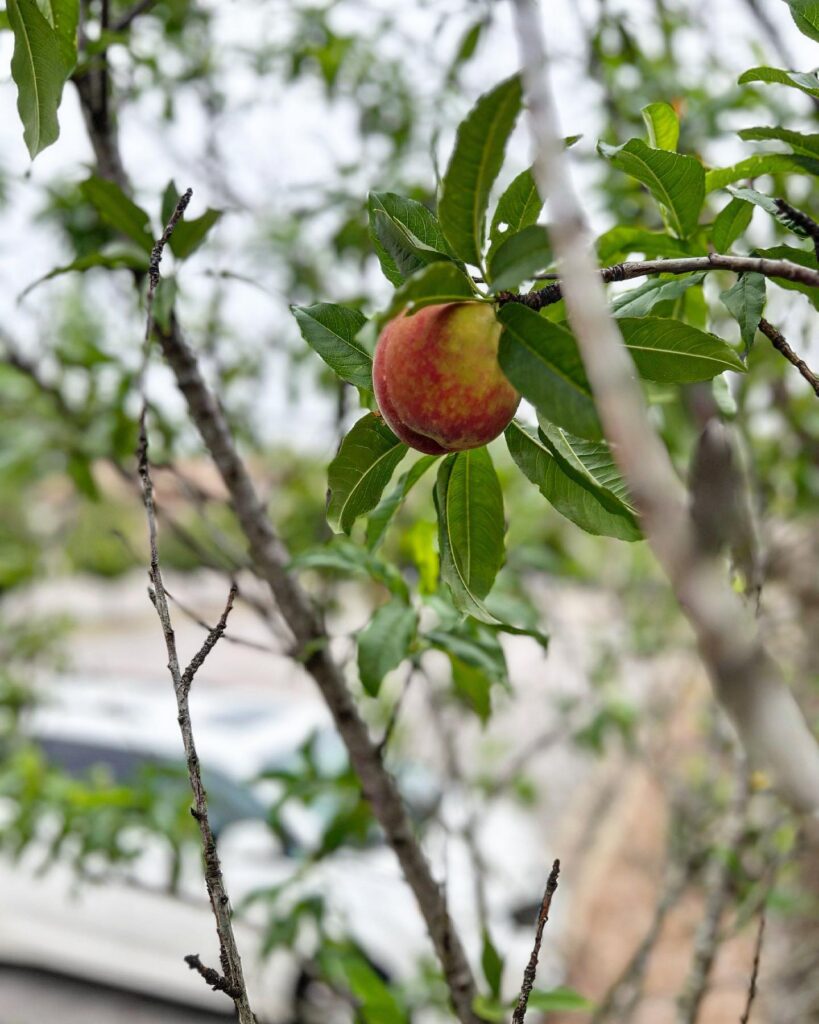
A “parking lot peach” (Acre/Facebook)
He lovingly calls them “parking lot peaches,” leading us outside to see the trees growing along the edge of Acre’s lot. Bright peachy-orange fruit hangs from the branches in the middle of downtown Auburn. He pulls one from the tree and hands it over—sweet, soft, and fully ripe weeks ahead of peak season.
But even with gardens and fruit trees surrounding the restaurant, Chef David is quick to emphasize that Acre depends on the farmers around him just as much as what grows on-site.
“We’re going to lean on the Boozers and the Boozer family that we’ve been buying peaches from forever,” he says.
For decades, Boozer Farms has focused on carefully grown produce harvested at peak ripeness and delivered quickly after picking. Their farming practices prioritize long-term stewardship of the land through crop rotation, integrated pest management, and sustainable growing techniques designed to preserve the farm for future generations.
For Chef David, those relationships matter just as much as the ingredients themselves.
“The same way that I learned to respect and honor my Grandpa Kennedy at Ten Mile Creek Farms, I find it just as important for my family and my team to continue the stories of these farming families,” he says. “The oystermen, the oysterwomen, the ranchers, the shepherds, the families that are running the grist mills and grinding corn meal and grits for us, those that are harvesting those strawberries, the ones that are sweating in the summer, going out to harvest all of that itchy, sticky okra…all of that is so vital to the state of Alabama that we tell that story, that we honor them and all of the work they’re doing.”
That sense of storytelling is embedded into Acre itself. Reclaimed beams from a century-old general store stretch across the ceilings. Oak harvested from Bancroft’s grandfather’s farm lines the walls. A fish basket from the family fish farm hangs as a chandelier above the dining room. Every detail ties the restaurant back to the people, places, and labor that shaped it.
At its heart, this way of cooking is about more than showcasing beautiful ingredients; it’s about honoring the hands that harvested them, preserving the traditions that sustain them, and reminding people that food doesn’t begin in a kitchen. And it begins in the soil, on the water, and in communities that have spent generations learning how to care for both.
Love this story? Subscribe to our newsletter and get the best of Alabama delivered to your inbox every Friday.