Behind the studio doors and kitchen windows of Alabama’s Black Belt, makers are at work: dyeing cloth, shaping metal, pressing prints, rolling out biscuit dough. The Alabama Black Belt Maker’s Trail invites visitors in to watch, listen, and learn by doing. The trail hosts a growing collection of experiences, and each one carries the signature of the person who leads it.
Alabama Black Belt Adventures created the trail, and it started with an idea executive director Pam Swanner had been turning over for a while. She wanted to bring the region’s many talents together and give visitors something they couldn’t find anywhere else.
“I wanted to create something that was one of a kind, specific to the Black Belt,” Swanner says.
Instead of just looking, participants get to do. They can dye fabric, learn about Gee’s Bend quilting, build sculpture from salvaged materials, try printmaking, or learn to make Southern biscuits from a well-known chef. In each case, they’re learning straight from a maker whose work is tied to the place, its history, and its culture.
A trail shaped by the people who make it
The Maker’s Trail builds on creative traditions that have long been part of the Black Belt and gives visitors new ways to take part in them. The experiences are spread across several towns and art forms, which fits a region whose creative identity doesn’t boil down to one medium or style.
(Alabama Tourism Industry Partners/Facebook)
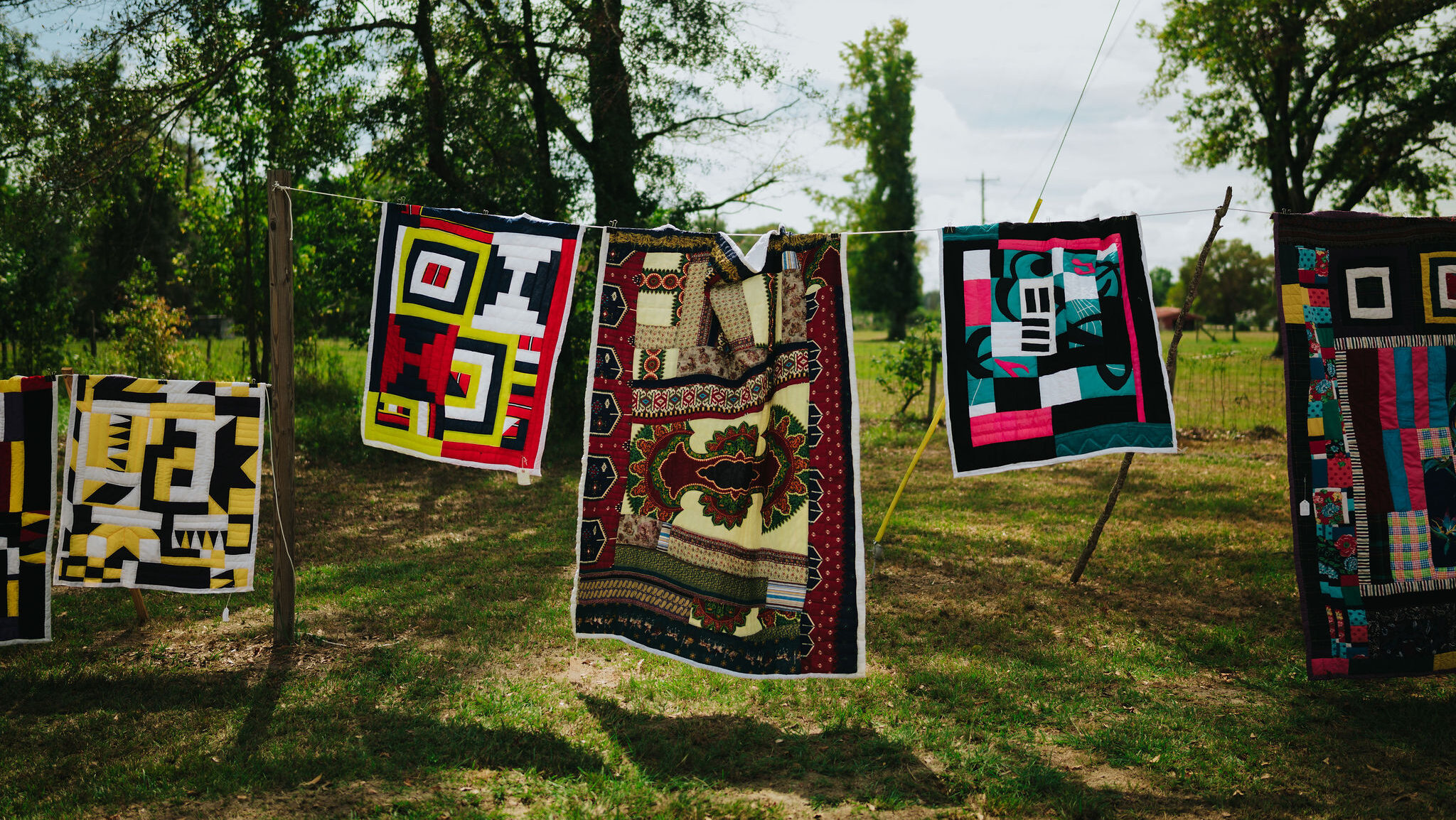
In Gee’s Bend, quilters Andrea Pettway Williams and Claudia Pettway Charley of Sew Gee’s Bend Heritage Builders introduce the community’s famous quilting tradition through hands-on textile work that links heritage techniques to contemporary fashion. In Greensboro, textile artist Aaron Sanders Head teaches natural indigo dyeing and shibori, showing participants how to make patterns in fabric with folds, ties, and clamps.
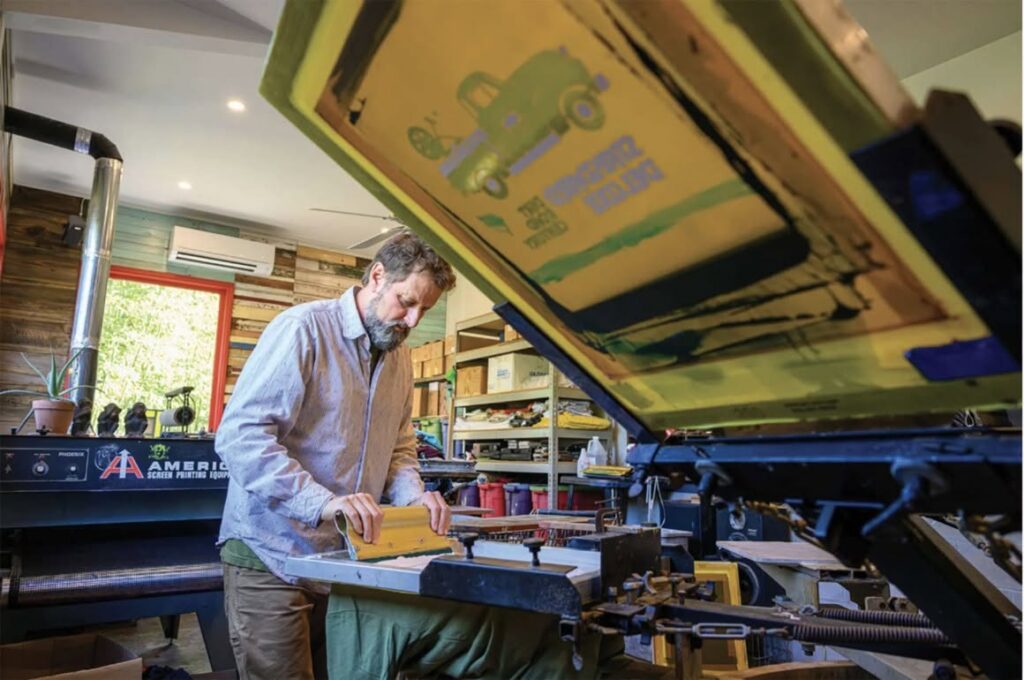
In Selma, visitors can spend time with Charlie “Tin Man” Lucas, who turns recycled metal into expressive sculptures. At the Museum of Wonder in Seale, artist Butch Anthony takes visitors through his offbeat world of found objects, handmade structures, and collections, then helps them make assemblages of their own. And at Standard Deluxe in Waverly, Scott Peek introduces visitors to the art of screen printing, offering a closer look at a craft that blends design, technique, and hands-on creativity.
Food has a place on the trail, too. In Marion, chef Scott Peacock leads a session on Southern biscuit making, sharing the stories and know-how behind a staple that looks simple but isn’t. He sources his own flours and makes his own baking powder, which shows how much thought and craft can go into something as familiar as a biscuit.
The experiences aren’t all alike, and not every stop is hands-on in the same way. What they share is time with the people behind the work and a chance to understand the skill, thought, and local knowledge that go into it.
More than a list of stops
Swanner also sees the trail as a way to get visitors to slow down and treat the Black Belt as a place worth exploring. Rather than driving in for a single attraction and heading out again, visitors can plan a trip around several experiences and discover the towns and landscapes in between.

(Mason David Erwin/SoulGrown)
The trail connects with other efforts to celebrate the region’s creative heritage, including the Souls Grown Deep Foundation’s work in Gee’s Bend and the Airing of the Quilts festival. Those projects have drawn attention to the makers and traditions that have shaped the Black Belt for generations, and the Maker’s Trail gives visitors another way to engage with that creativity firsthand.
Since the soft launch, Swanner says, interest has grown, and the trail is still developing. New makers and experiences are being added, which gives people more reasons to come back and see another part of the region.
That sense of discovery is a big part of the appeal. A visitor might spend a morning learning to dye fabric in Greensboro, then drive to Marion to make biscuits, stopping along the way to poke around the towns, historic sites, and local businesses. With a little planning, a visit can turn into a longer trip through the Black Belt rather than a single workshop.
Alabama Black Belt Adventures also offers help with planning, including suggestions for nearby lodging, restaurants, and things to see.
Some of the best ways to understand a place start with the people who know it best. Here, the invitation is simple: pull up a chair, step into a studio, ask questions, and make something with your own hands. Visitors come away with a finished piece or a new skill, and also a personal connection to the people and traditions that make Alabama’s Black Belt unlike anywhere else.
To explore the experiences and plan a visit, head to the Alabama Black Belt Maker’s Trail.