Along the bend of the Tennessee River, where water glides over rock and time seems to slow, North Alabama learned to listen before it ever tried to sing. They call it Muscle Shoals. It seems deceptively quiet, but it’s the kind of silence that hums beneath the rhythmic sounds of moving water.
Today, that hum has found its way into a gallery. At the Country Music Hall of Fame and Museum, Muscle Shoals: Low Rhythm Rising stretches across more than 5,000 square feet, tracing how this small corner of Alabama became one of the most unlikely recording epicenters in American music. The exhibition gathers artifacts and atmosphere alike — glamorous stage wear, instruments, original song manuscripts — alongside archival photographs and immersive listening stations. Visitors can move through interactive audio, watch newly filmed interviews drawn from more than 50 hours of conversations with the people who built the sound, and step into an introductory film voiced by Jason Isbell, a North Alabama native who worked at FAME.
At its center sits the piano played by Aretha Franklin at FAME Studios, an instrument that reveals both the force and the limits of the Muscle Shoals system. Around it, the story widens. Because to understand the exhibit, you have to follow the river back.
(Fame Recording Studios/Contributed)
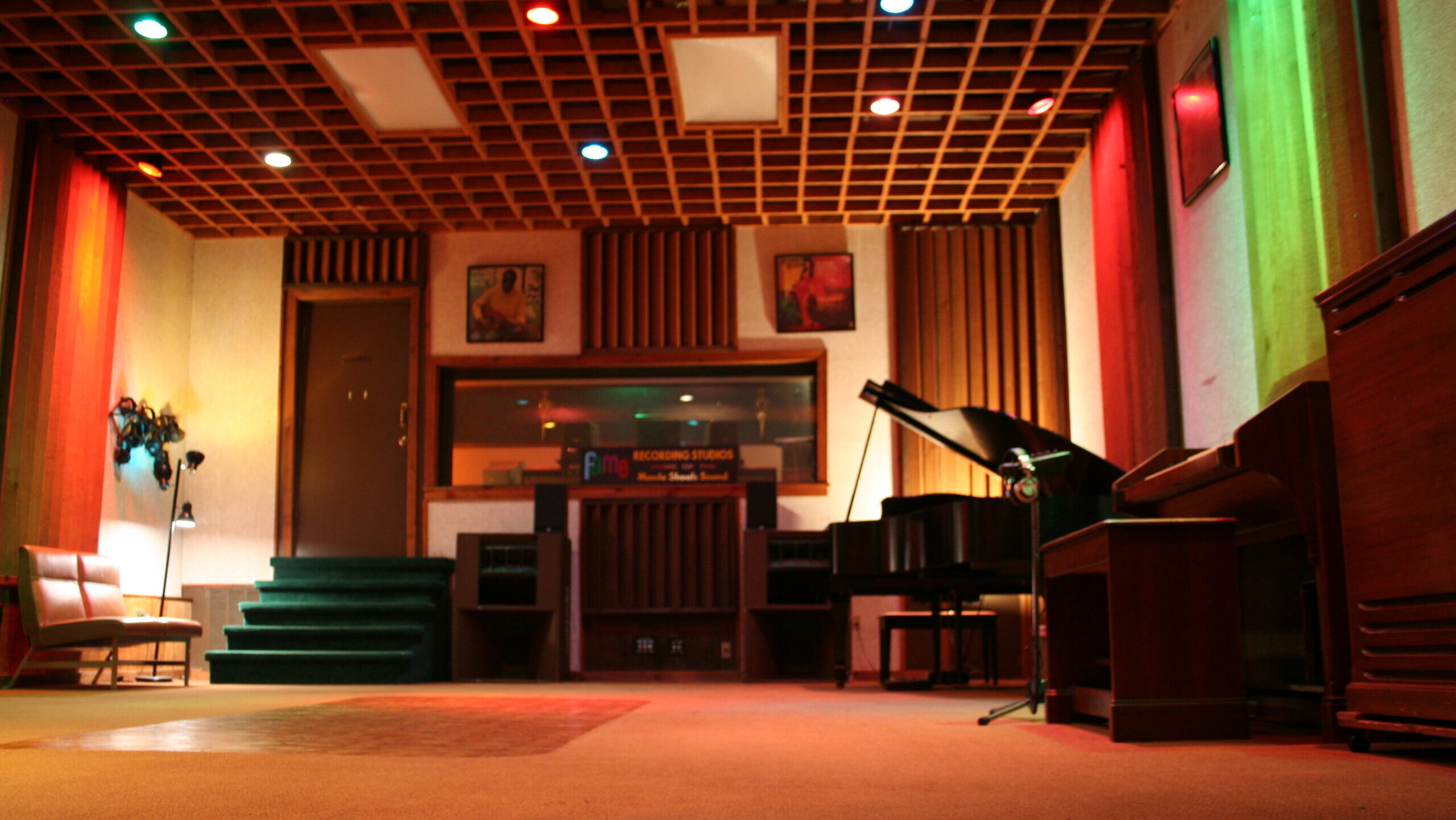
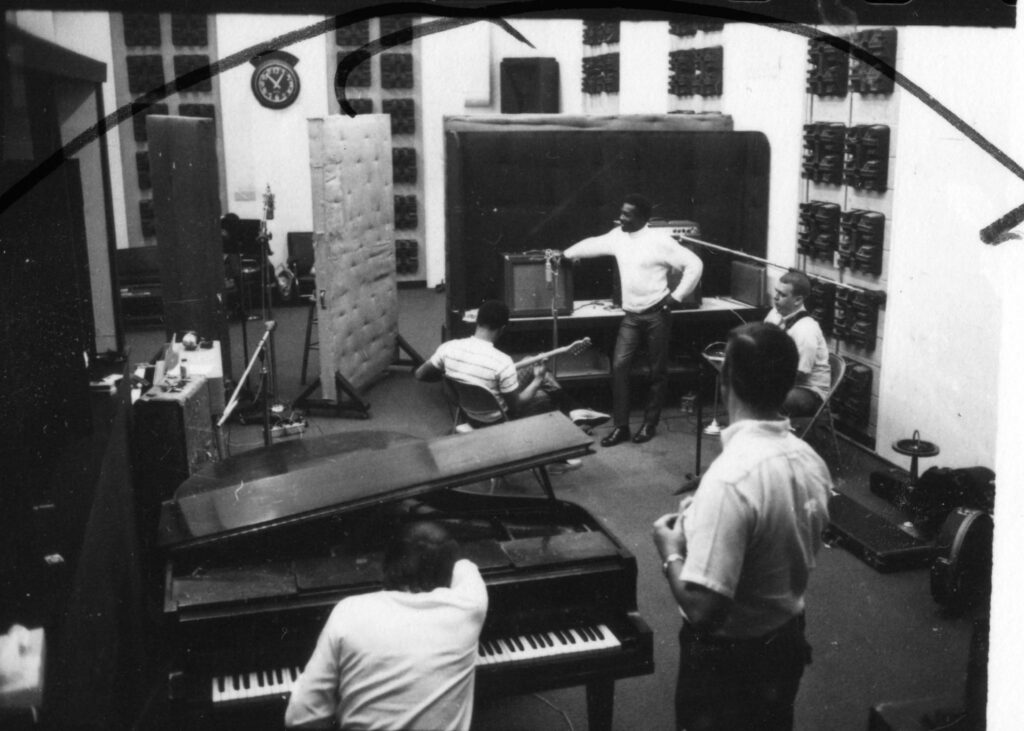
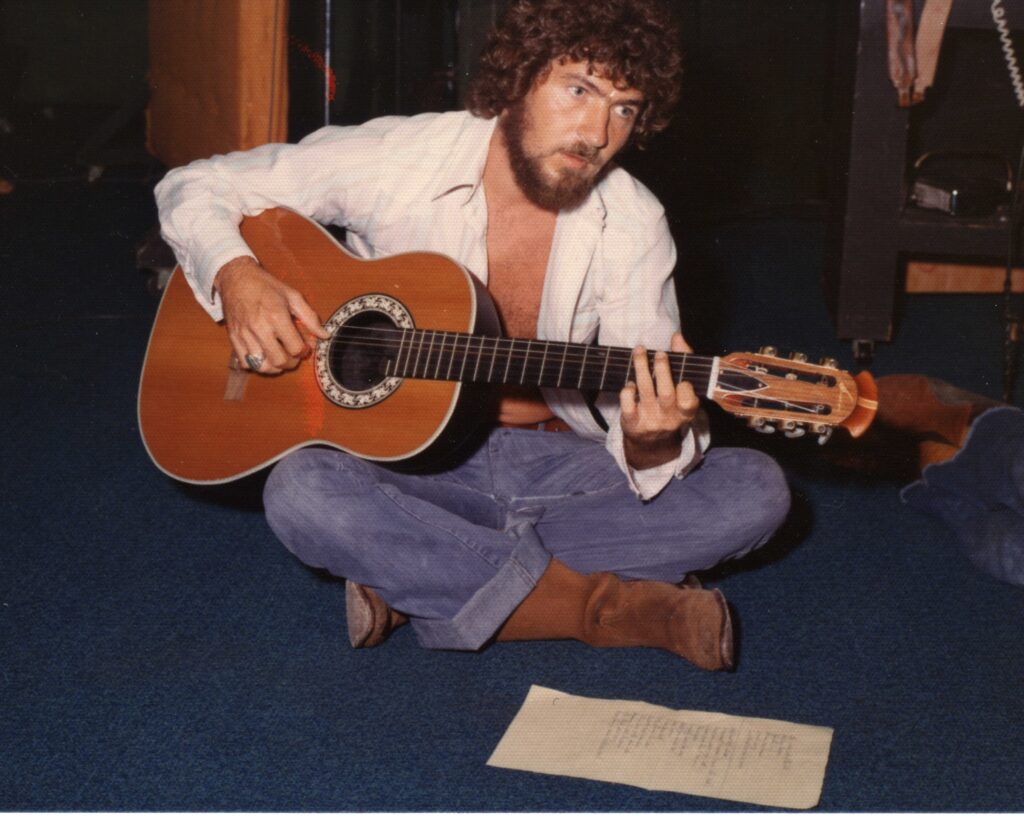
By the late 1960s, that hum had taken shape inside FAME and Muscle Shoals Sound Studio, where musicians blended R&B, country, pop, and more into a distinctive, swampy Southern sound.
“Some say it is the Native American influences and spirits in the water that create so much talent in the Muscle Shoals area. The Native Americans called it the Singing River because there were spirits in the water singing as the water washes over the shoals (rocks)in the water,” says Debbie Wilson, executive director of Muscle Shoals Sound Studio. “Musicians, like Swamper David Hood, say it is simply hard work that has created so much success.”
Artists came because they heard it. The Rolling Stones left with “Wild Horses.” Willie Nelson recorded his beloved Phases and Stages album there. Songs like “Mustang Sally,” “When a Man Loves a Woman,” and “I’ll Take You There” all carry the imprint of this place.
(Fame Recording Studios/Contributed)
“Recording artists flocked to the area as word of mouth and hits on the radio proved there were special musicians in the area that had a unique funky vibe that could not be captured anywhere else,” Wilson says. “It was also attractive because it was off the grid of the media and small town enough for the celebrities to remain under the radar and not have many distractions as the area was a “dry” county … meaning no legal alcohol sales.”
Inside those studios, at a time when segregation prevailed, Black and white creators found a way to work together. The exhibition holds that complexity in view — how collaboration flourished even as the world outside resisted it.
As Kyle Young of the museum has said, the river didn’t draw a boundary here—it brought forces together. And in that current, a new rhythm rose and hasn’t stopped ascending.
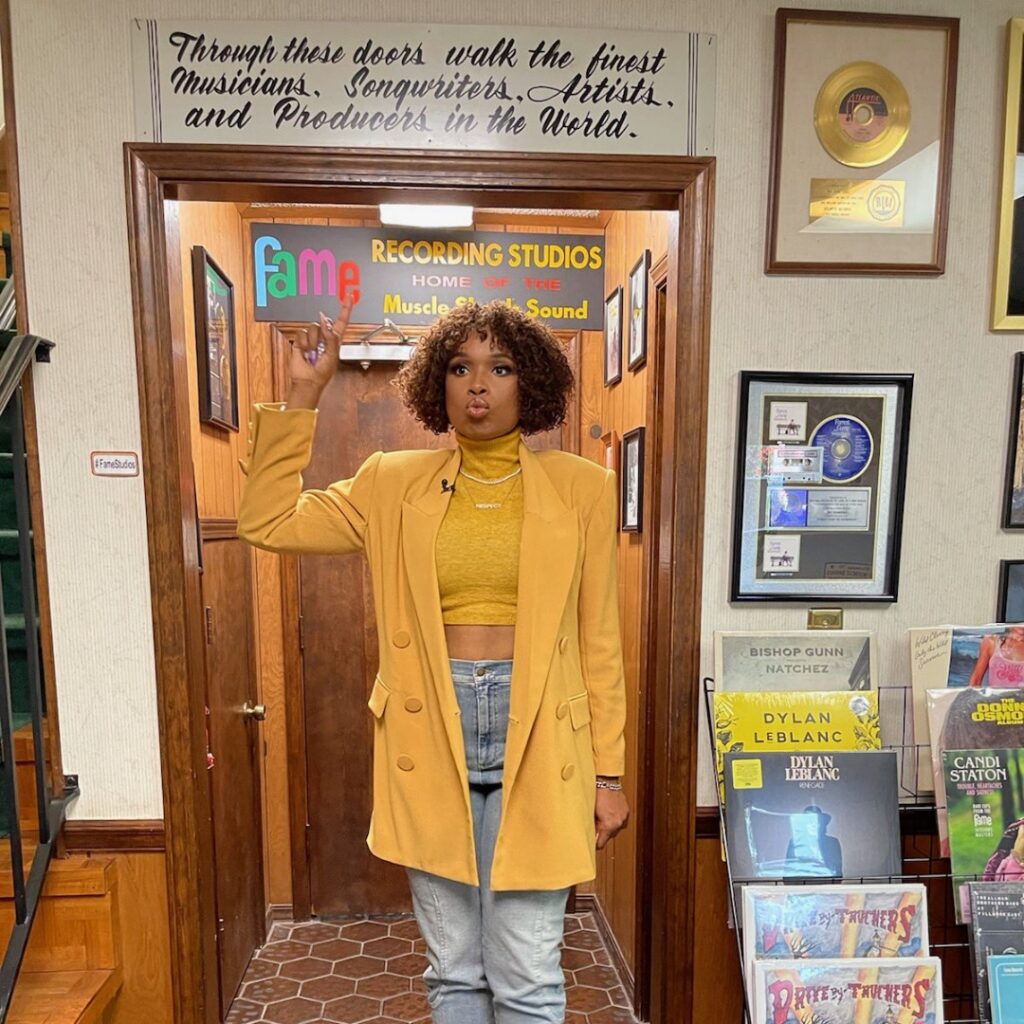
“Muscle Shoals Sound is still an active recording studio,” Wilson says. “Chris Stapleton recorded at our studio and won a Grammy for the song he recorded here, “Cold.” Grammy nominations were also made for Rival Sons, with music recorded in our studio. It is an active studio with recording sessions on a regular basis.”
(Fame Recording Studios/Contributed)
The story isn’t sealed behind glass. It continues today, with artists still drawn to the Shoals and recording in its studios. Visitors come from all over now, drawn by something they recognize before they can quite explain it.
“Muscle Shoals Sound continues to have visitors from all over the world and every state in the union,” Wilson says. “People often mention ‘the soundtracks of their lives’ were recorded in Muscle Shoals, and we are often a bucket list destination for true music lovers.”
Whatever the pull, Muscle Shoals has distinguished itself from riverbank to recording booth to museum gallery. The music didn’t arrive fully formed but was gathered across genres, across histories, across lines, and settled into the bones of a place.
Muscle Shoals: Low Rhythm Rising is now open at the Country Music Hall of Fame and Museum and will run through March 2028. The museum is open daily, and the exhibition is included with general admission.
Want more stories like this? Join our newsletter for more stories rooted in Alabama, delivered to your inbox every Friday.