Long before “farm-to-table” became a buzzword, James Beard championed a simple idea: use the best ingredients you can find, and treat them with care. It’s a philosophy that applies just as much to a basket of farmers market tomatoes as it does to wild game pulled from the field.
With turkey season here and warmer days ahead, it’s a fitting time to think more intentionally about how we source and prepare our food—whether it’s caught, harvested, or picked up at the store.
James Beard on Clean Cooking
(Harvest Select Catfish/Facebook)
Beard’s approach to “clean cooking” helped lay the foundation for what would eventually become the modern farm-to-table movement. As PBS notes, he believed in the potential of American cuisine and the power of local farmers markets long before either had a defined cultural identity.
One of his most enduring ideas speaks directly to both home cooks and hunters alike:
“It is true thrift to use the best ingredients available, use them carefully and wisely, and you will have less waste than if you search for bargains and end up with a full garbage pail.”
While that philosophy is often applied to sourcing fresh produce, it extends just as naturally to wild game. For sportsmen, harvesting local meat is another expression of the same principle—valuing quality, minimizing waste, and making the most of what’s available.
(Ellis Terry/Contributed)
With that in mind, here are a few practical ways to approach cooking wild game this season, along with two recipes that work equally well with store-bought or freshly harvested ingredients.
Air Fryer Wild Turkey Nuggets
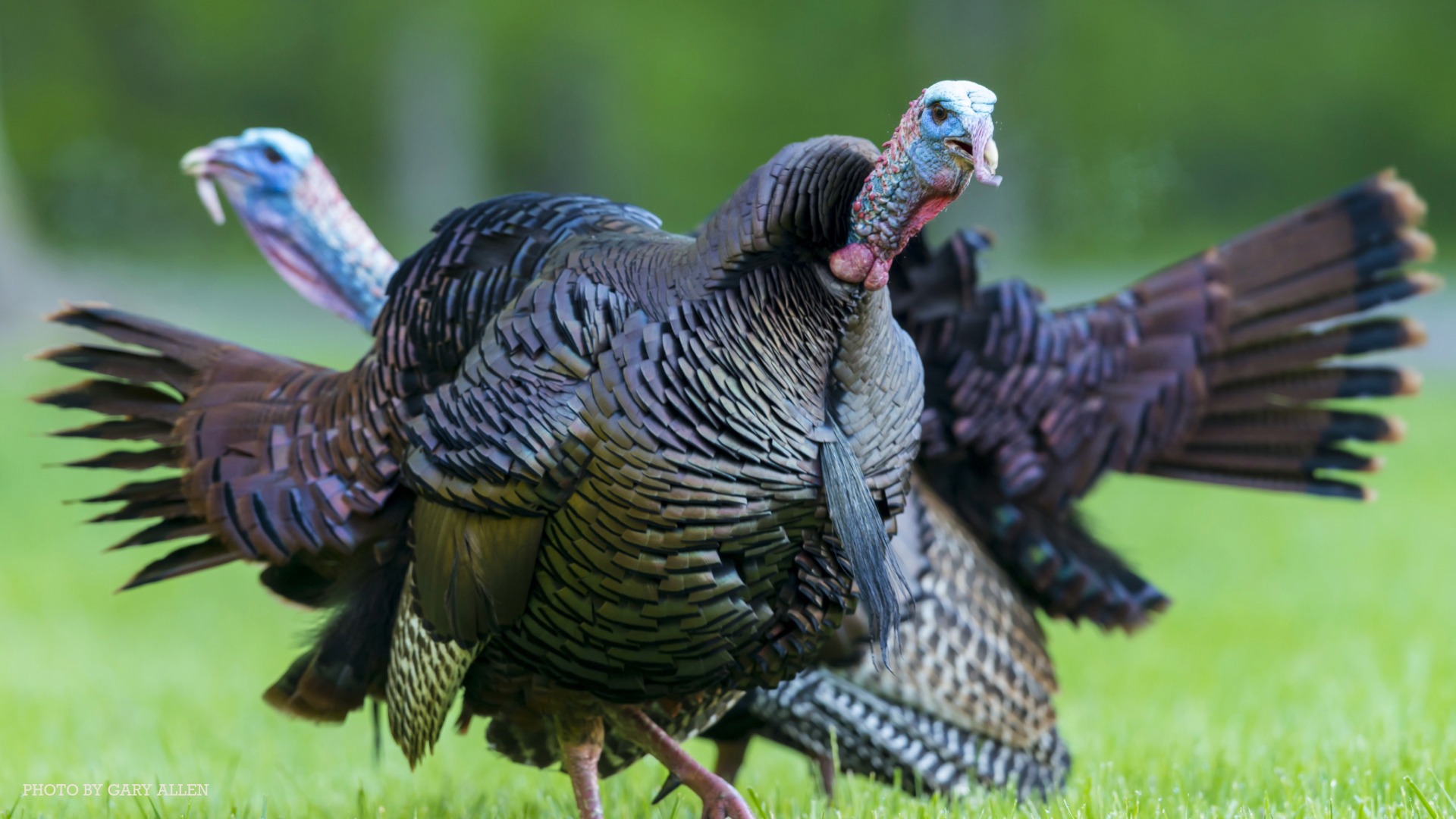
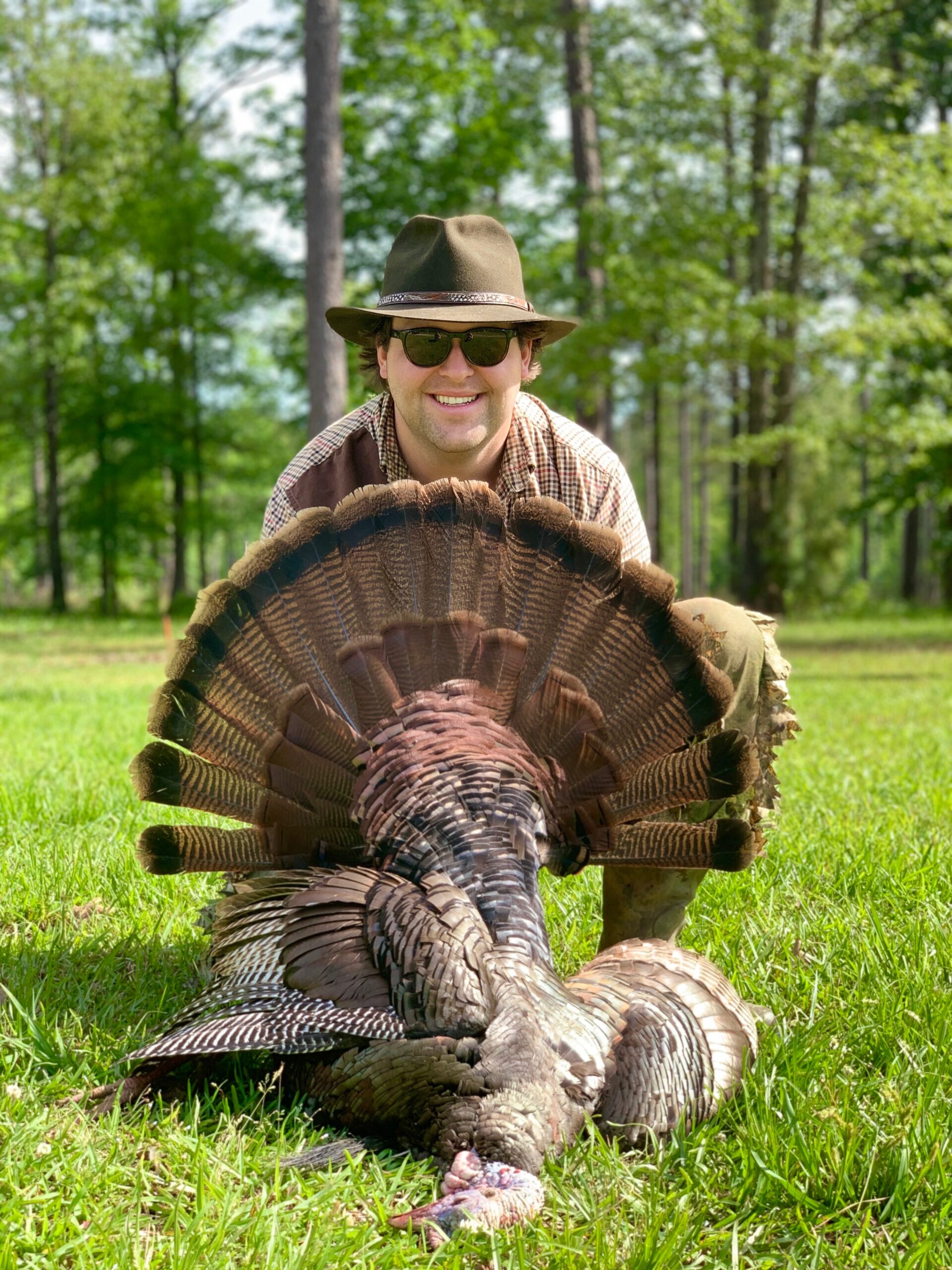
Wild turkey is a prized harvest, but it often leaves cooks with a familiar question: how best to prepare such a lean protein?
Unlike its farm-raised counterpart, wild turkey contains very little fat, which can lead to a tougher, more gamey result if cooked traditionally. The key is finding ways to introduce moisture and richness back into the meat.
Roasting or smoking can work well with frequent basting, while dishes like pot pie or turkey salad offer more forgiving options. But for many, the most approachable—and crowd-pleasing—method is something far simpler: turkey nuggets.
Prepared much like fried chicken, these nuggets transform wild turkey into something familiar, flavorful, and easy to share. A marinade of buttermilk and pickle juice adds both tenderness and tang, while a seasoned coating creates the kind of crisp exterior that keeps people reaching for more.
Ingredients
- 2 lbs turkey breast, cut into 2-inch chunks
- ½ cup pickle juice
- ½ cup buttermilk
- 2 large eggs
- ½ cup milk
- 1½ cups unseasoned panko breadcrumbs
- 1 cup all-purpose flour
- 1 heaping tbsp powdered sugar
- ½ cup cornstarch
- 2 tsp paprika
- 2½ tbsp kosher salt
Instructions
- Season turkey with salt and pepper. Place in a bowl or zip-top bag with pickle juice and buttermilk. Seal and refrigerate for at least 4 hours, preferably overnight.
- Preheat air fryer to 400°F for 10 minutes.
- In one bowl, whisk together eggs and milk. In another, combine breadcrumbs, flour, cornstarch, powdered sugar, paprika, and salt.
- Remove turkey from marinade, letting excess drip off. Dip into egg mixture, then dredge in dry mixture, coating well.
- Arrange nuggets in a single layer in the air fryer basket. Lightly spray with cooking spray.
- Cook for 8 minutes, flipping and spraying again halfway through.
- Nuggets are done when golden brown and internal temperature reaches 165°F. Serve with your favorite dipping sauce.
Note: For deep frying, cook in oil at 350°F until golden brown and cooked through (165°F internal temperature).
7-Up Marinated Catfish
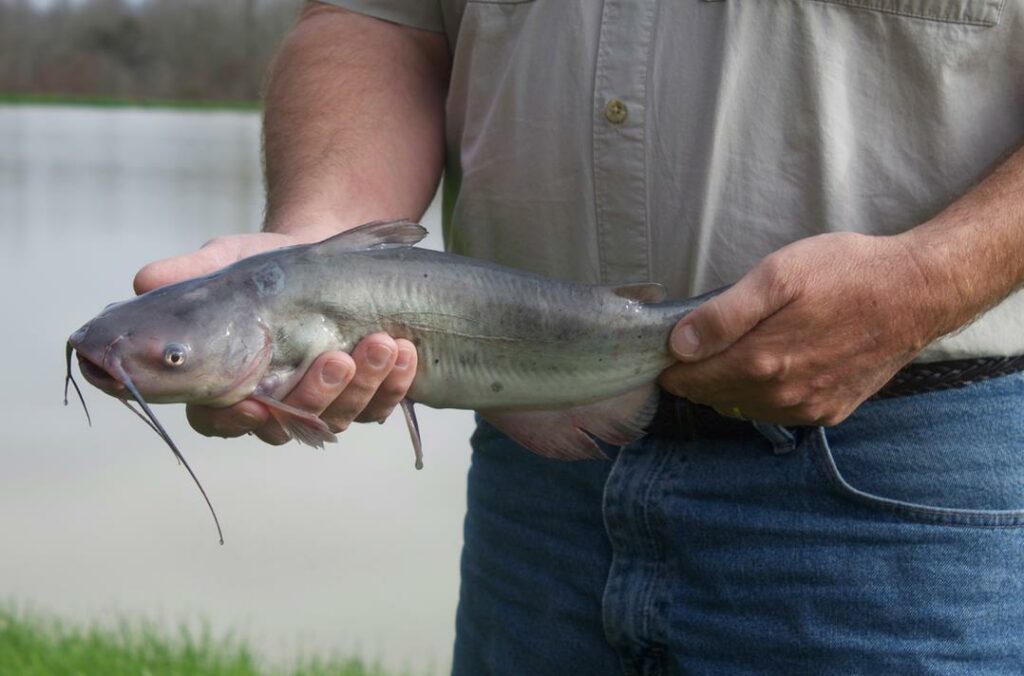
For decades, Southern fish fries have relied on a surprisingly simple trick: marinating catfish in 7-Up before cooking. It may sound like an old-school workaround, but there’s real logic behind it. (And sure, 7-Up may not be the first ingredient that comes to mind when thinking about ‘clean cooking,’ but it works.)
River catfish can sometimes carry a slightly muddy aftertaste, a reflection of the waters they come from. A brief soak in 7-Up helps neutralize that flavor, much like purging crawfish before a boil.
Beyond that, the soda brings a balance of acidity and sweetness—two elements that quietly elevate the dish. The citrus notes brighten the flavor, while the sugar enhances browning and depth. As a bonus, the marinade gently tenderizes the fish, resulting in a softer, flakier texture that contrasts nicely with a crisp, cornmeal crust.
Whether your catfish comes from the river or the grocery store, it’s a technique worth trying—one that’s stood the test of time for a reason.
Ingredients
- 4 catfish fillets (4–6 oz each)
- 1 can 7-Up
- 1½ cups buttermilk
- Frying oil (peanut, vegetable, canola, or similar)
- 2 cups yellow cornmeal
- 1 tbsp Cajun seasoning
- 2 tsp kosher salt
- 1 tsp black pepper
For serving: hot sauce, fresh lemon, tartar sauce
Instructions
- In a zip-top bag or container, soak catfish in 7-Up for 30 minutes.
- Remove from 7-Up and transfer to buttermilk. Soak for 30 minutes to 2 hours.
- While the fish soaks, prepare your cooking station and sides.
- Heat about ½ inch of oil in a cast iron skillet or Dutch oven over medium heat to 325–350°F.
- In a shallow bowl, combine cornmeal, Cajun seasoning, salt, and pepper.
- Remove fish from buttermilk, letting excess drip off, then dredge in cornmeal mixture, coating well. Shake off excess.
- Fry in batches for about 3 minutes per side, or until golden brown.
- Let cool slightly and serve.
Love this story? Subscribe to our newsletter and get the best of Alabama delivered to your inbox every Friday.