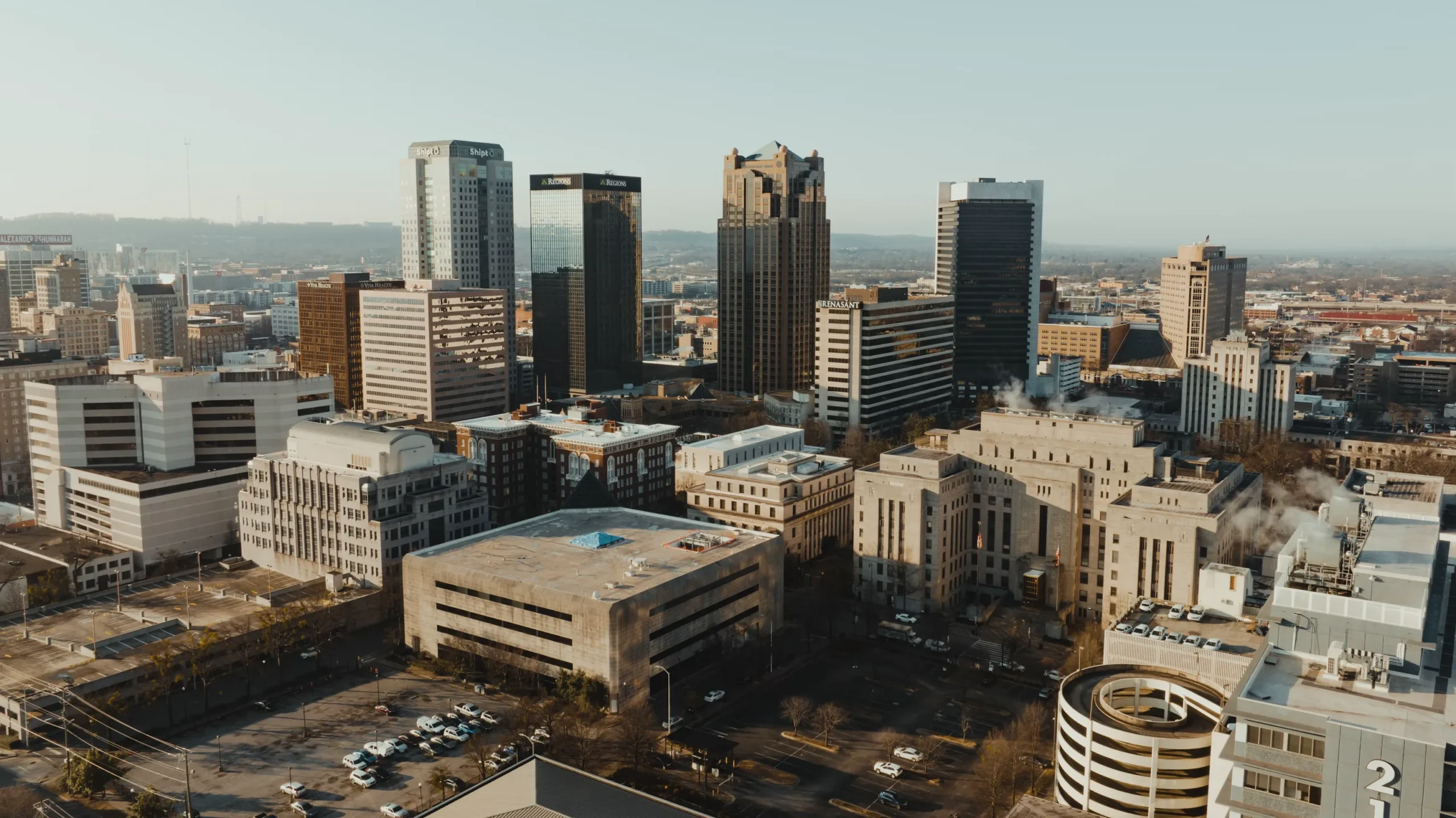
Birmingham is earning yet another moment in the national spotlight, this time in Condé Nast Traveler, where a new feature explores the food, art, architecture, and history that make Alabama’s largest city a destination in its own right.
“Birmingham, Alabama, Is Called The Magic City For Good Reason” traces the city’s evolution from an industrial center to a place shaped by a growing culinary scene, a vibrant arts community, and renewed investment in its historic downtown. The feature takes readers across the city, introducing the people and places that contribute to The Magic City’s character.
A culinary reputation built over time
(Mary Fehr/Contributed)
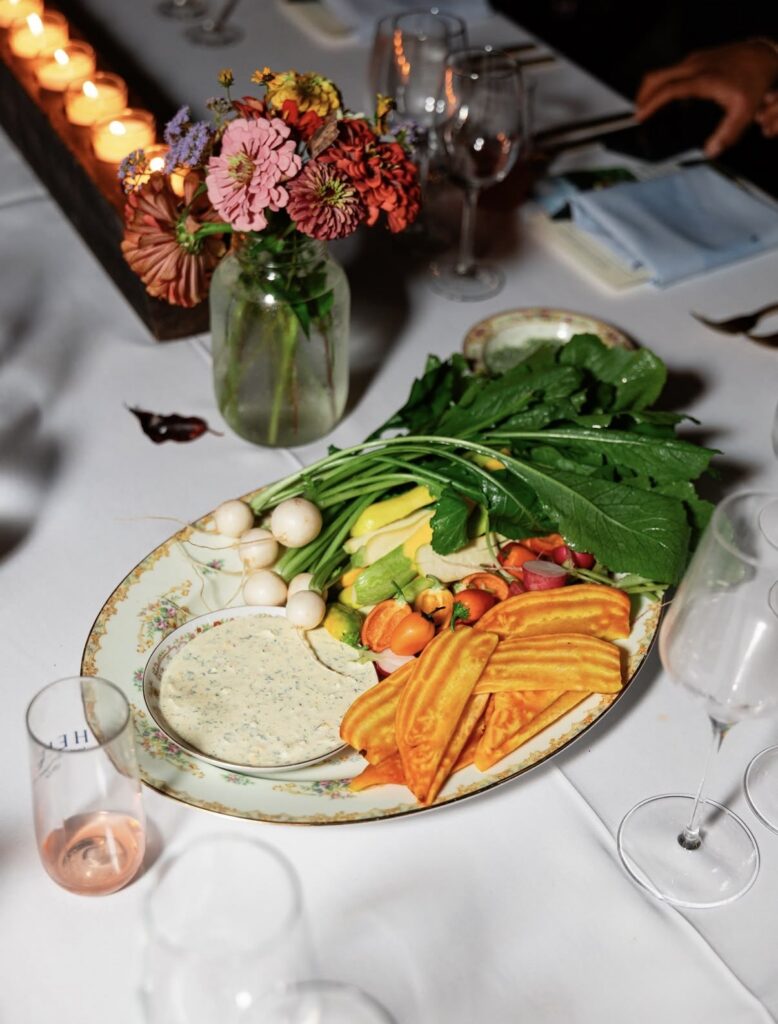
Food is one of the feature’s central threads, beginning with chefs Frank and Pardis Stitt, whose restaurants have helped shape Birmingham’s dining scene for decades. Pariseau visits Chez Fonfon and Bottega, reflecting on the restaurants’ influence and the hospitality that has made them fixtures in the city.
The story also looks beyond those established institutions to a broader collection of restaurants and food businesses. Among them are Pizza Grace, Salud Taqueria, Helen, Bayonet, and Big Spoon Creamery, alongside the Market at Pepper Place, where local vendors, farmers, and shoppers gather each week.
Pariseau connects the city’s culinary identity to its geography and history, noting how Birmingham’s location and access to Gulf Coast ingredients helped attract a range of food traditions and communities. The result is a dining scene that draws from Southern roots while making room for a wide range of influences.
Art, music, and spaces for creativity
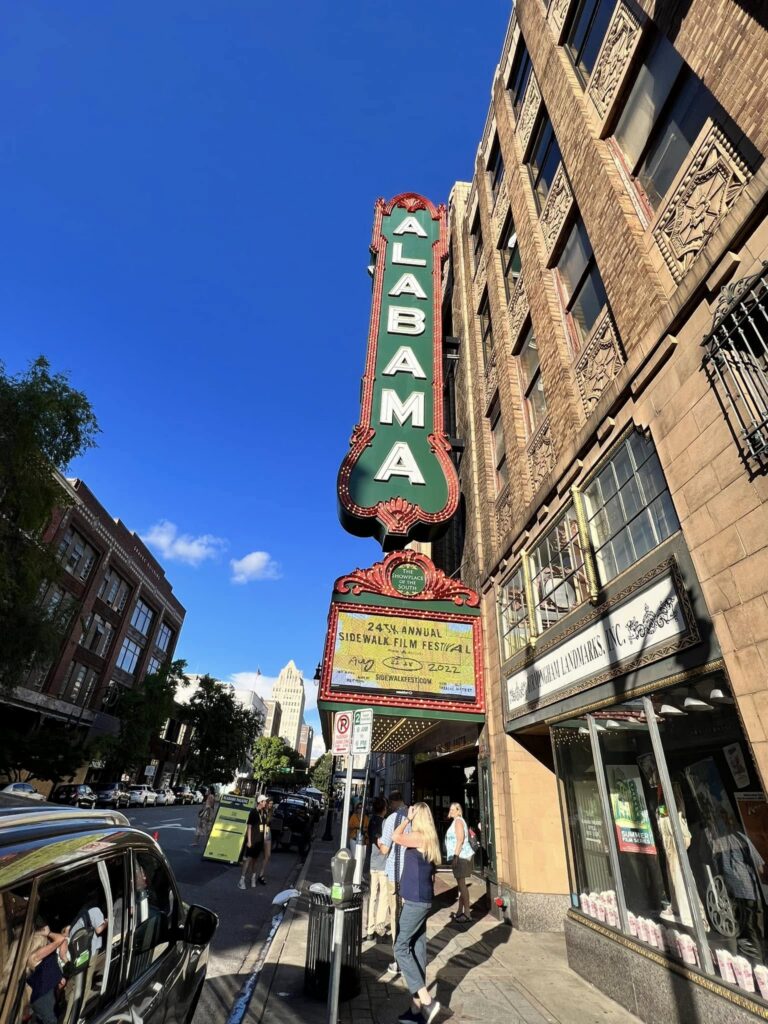
Birmingham’s cultural life receives equal attention. Pariseau highlights the restored Lyric Theatre, Carver Theatre, and Alabama Theatre, along with galleries and arts organizations supporting artists across disciplines and backgrounds.
The feature includes Ground Floor Contemporary, Old Bailey Gallery, Studio by the Tracks, InToto, and the Birmingham Museum of Art. It also spotlights artist Joe Minter’s African Village in America, an ongoing installation that centers the living memory of the Black experience.
These spaces reflect a creative community that extends beyond traditional museums and performance venues. In the feature, artists and cultural organizers help tell the story of a city where independent projects and collaborative spaces have become important parts of its identity.
That creative energy also connects to downtown’s ongoing revitalization. Pariseau points to entrepreneurs, local businesses, and the work of REV Birmingham as part of the effort to bring new activity to historic buildings and once-quiet streets.
A city shaped by its history
(Alabama Theatre/Contributed)
The feature does not separate Birmingham’s present-day appeal from the history that shaped it. Pariseau traces the city’s rapid growth in the late 19th century to its deposits of iron ore, limestone, and coal, the natural resources that fueled its steel industry and earned it the nickname “Magic City.”
At Sloss Furnaces, visitors can encounter the industrial legacy that helped build Birmingham, including the exploitation and segregation of Black workers. The story also examines the city’s central role in the Civil Rights Movement, directing readers to the Birmingham Civil Rights Institute, Kelly Ingram Park, and 16th Street Baptist Church.
Together, these places offer a fuller picture of Birmingham, one that acknowledges the painful realities of its past while recognizing the people working to shape its future.
Seeing the Magic City anew
Pariseau’s feature ultimately presents Birmingham as a place whose appeal comes from the connections between its many parts: food and history, architecture and art, established institutions and independent ventures. The city’s character is found not only in its most recognized destinations but also in the people who continue to create, preserve, and invest in their communities.
For Birmingham, the national attention offers another opportunity to share that story with travelers who may know the city primarily through its industrial beginnings or its place in the Civil Rights Movement. Those histories remain essential, but they are part of a larger, ongoing story—one still being written in restaurant kitchens, neighborhood galleries, restored landmarks, and so many beloved downtown gathering places.
Read the full feature in Condé Nast Traveler.
Love this story? Subscribe to our newsletter and get the best of Alabama delivered to your inbox every Friday.