For decades, Huntsville’s Tip Top Café was more than a bar—it was a proving ground for bands and a cultural anchor for a town sometimes known better for rockets than rock & roll. After sitting dark and condemned for years, the legendary venue is alive again, with co-owners John Chamness and Evan Billiter determined to honor its past while securing its future.
From Family Café to Music Landmark
Tip Top began in the late 1940’s, started by the Church family and known as Church’s Tip Top Café. It was a classic family joint but its identity shifted in the 1980’s when Lance Church took over and tried to solve a simple problem: slow dinners.
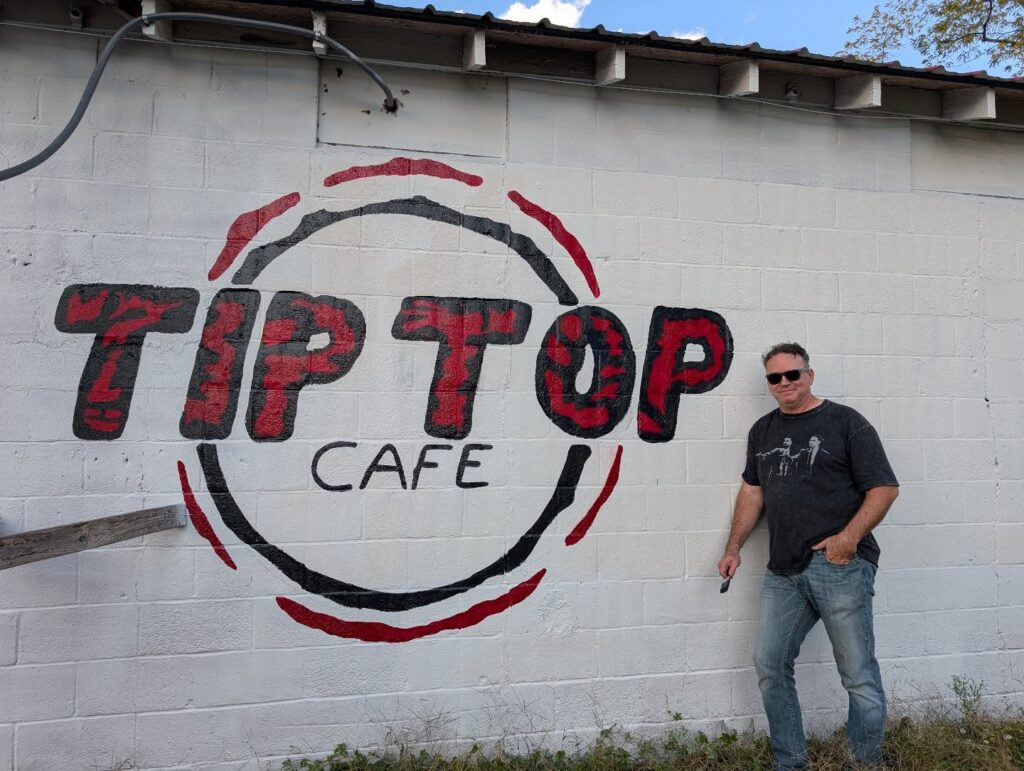
(Tip Top Cafe/Facebook)
“He had a great lunch crowd but a terrible dinner crowd,” Chamness shares. In an effort to improve his numbers, he thought, ‘What if I had live music?’” What started as a one-band experiment turned into a full-blown music pipeline. “Back then, there weren’t too many places (in the area) to play,” Chamness explains. “So the word got around: if you have a band, Lance will have you. It wasn’t a country bar, it wasn’t a funk bar. It was a if-you-have-a-band–you-can-come- play-here bar.”
A sound engineer who worked at the Tip Top in the 1990’s compiled a list of every artist who ever stepped on to the low stage. Today, that list is printed and glued to the wall of he revived cafe, surrounded by old flyers, t-shirts and other ephemera. Chamness beams as he shares, “There’s two Rock & Roll Hall of Fame members on that list: Leon Russell and Bo Diddley.” Other notables include The Black Crowes, Collective Soul, the Goo Goo Dolls and the ever-touring Widespread Panic. Chamness adds, “It’s just this unbelievable snapshot of who has come through Huntsville.”
In the pre-digital age, touring bands mailed demo cassettes to venues, hoping to get booked. “Lance would get all kinds of cassette tapes in the mail—even one from Nirvana. The rumor is that he got one from Pearl Jam but by the time he called them back (to book a date), it was too late.” They’d already surpassed Tip Top capacity.
Closure, Near Demolition and a Second Chance
By the early 2000’s, noise complaints and changing city dynamics put pressure on Tip Top. Lance leased the business out but it struggled. There was an altercation in the parking lot around 2004 which prompted him to Church to sell the building and shut it all down. Disrepair and condemnation followed before finally going up for auction. While most envisioned a razed site and new construction, Bill Chapman, a longtime patron, saw something else.
“He was like ‘No way—you can’t tear Tip Top down’,” Chamness says. Chapman bought the building and invested heavily just to get it out of condemned status. About halfway through the project, he realized he didn’t want to actually run a bar. That’s when Chamness and business partner Billiter, then operating St. Stephen’s Music Hall, entered the picture. They were looking for a new home and Tip Top needed new stewards.
Rebuilding an 80-year-old Icon
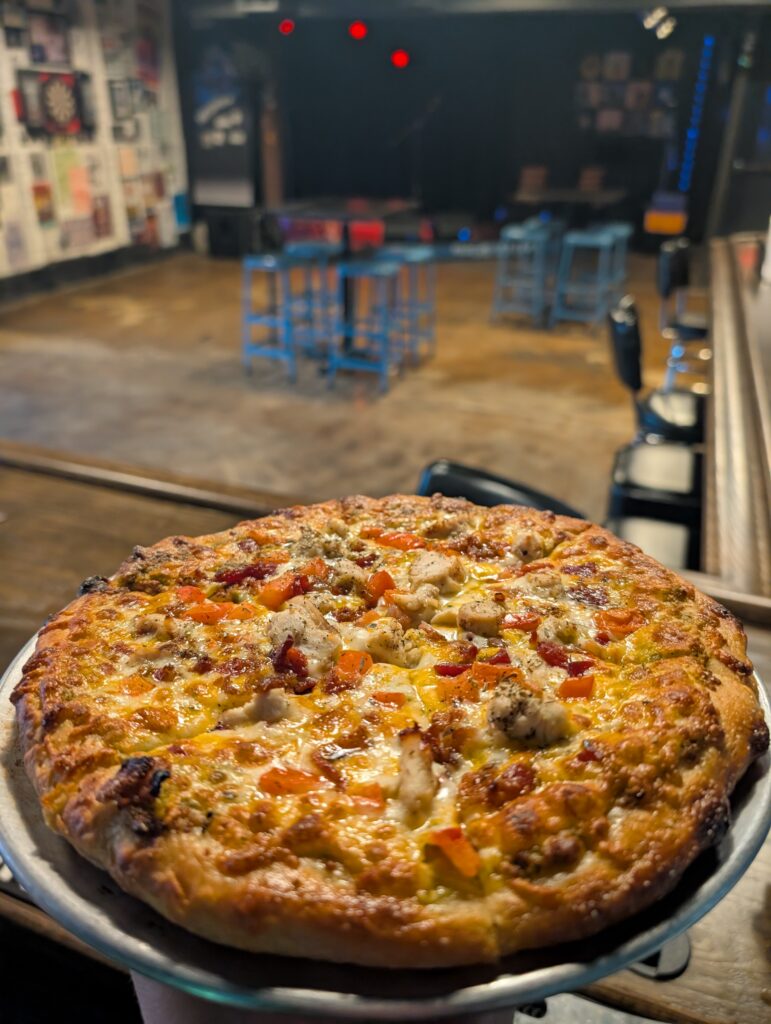
(John Chamness/Contributed)
Chamness and Billiter signed the lease in February 2025 and walked into a construction site: half new, half crumbling. “They’d torn down the back half and built new, but it was just cinder block walls and some studs,” he says. “The kitchen was non-existent. We had to finish all the electrical, HVAC, plumbing and drywall.” But there was a bar. Which leads to the next challenge the guys faced: Alabama’s maze of alcohol licensing.
“To sell alcohol in the state of Alabama is very, very difficult,” Chamness shares. But the building came with a Class Two license, meaning the establishment can sell alcohol but must also sell food. Chamness and Billiter came up with a clever workaround, bringing in Trevar Akins of Veloce Pizza as a partner. Akins already had a loyal following with his presence at Lowe Mill but was eager to have his own brick-and-mortar location. Pairing Veloce Pizza with the reimagined Tip Top Cafe was the perfect fit; hand-crafted pizzas are available 11:00 am – 11:00 pm, Wednesday – Saturday.
A Small Room with a Big Role
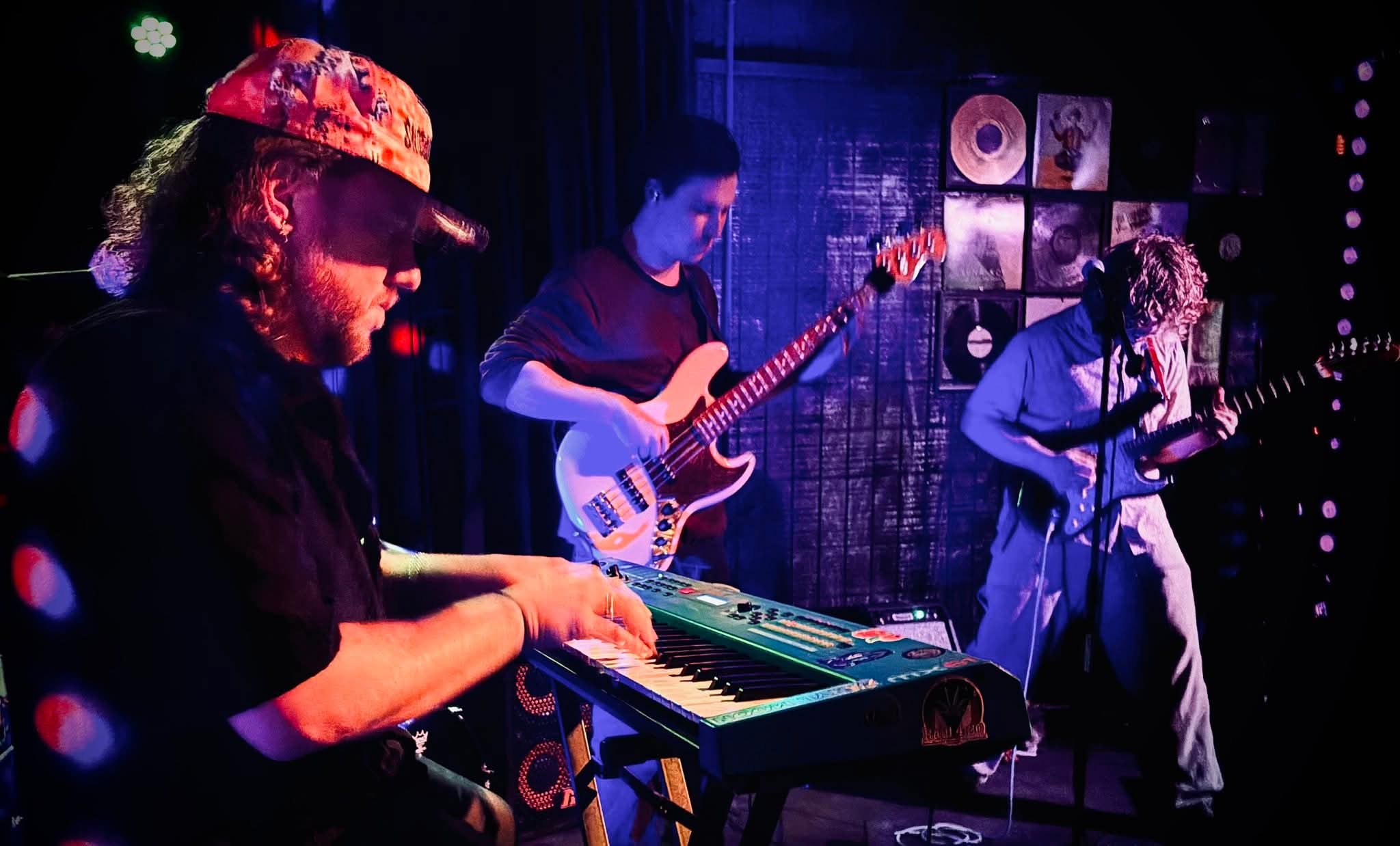
Tip Top today is an intimate 200-person room—a deliberate contrast to the city’s newer, shinier, much larger venues like the Orion. Chamness laughs as he notes, “the stage is only eight-inches tall. When the band is on stage, you’re right there.” That closeness is the whole point. It’s the kind of room where a tribute show for a local musician like Microwave Dave can produce a line down the block before the doors even open, or where bands like Flow Tribe, the Ain’t Sisters and Quantaphonics can turn a night into a memory that lives well past the encore.
The new owners-caretakers don’t feel weighed down by the past, but more propelled by it. “We’re kind of doing our own thing. People come in all the time and love it—they say ‘Don’t change a thing. You nailed it.’ So it’s not really been an identity crisis at all.”
For a city defined by rockets and research parks, Tip Top Café is a reminder that Huntsville’s story is just as much about guitars, sweat, and the shared thrill of seeing a band from just a few feet away.
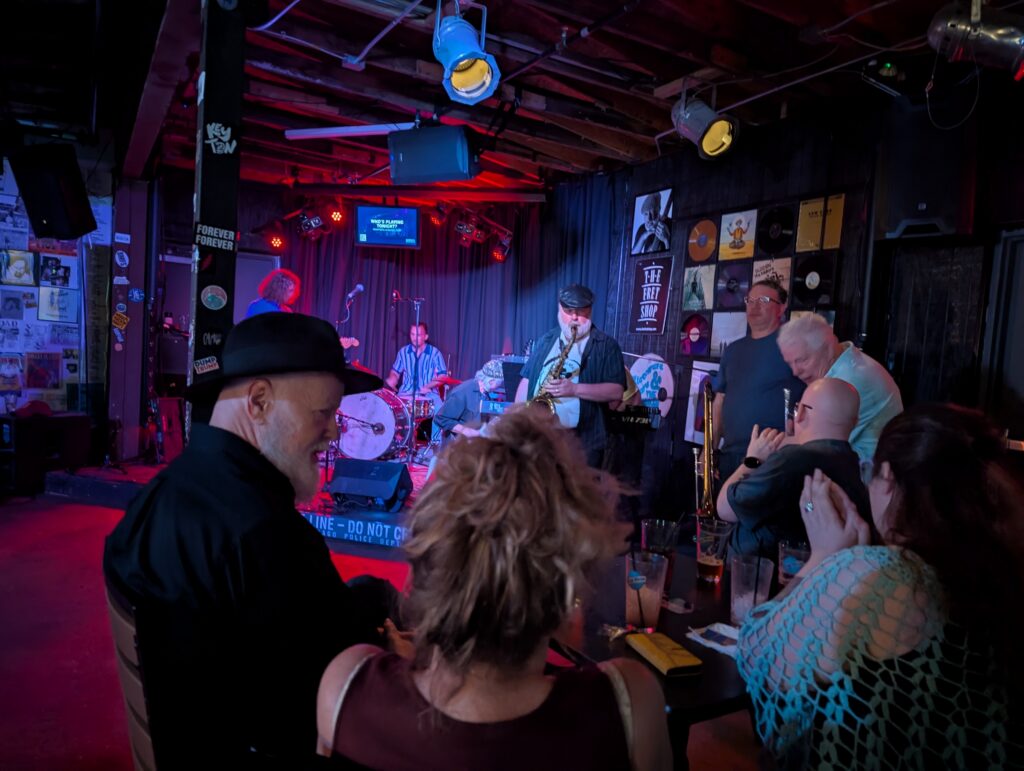
(John Chamness/Contributed)
Want more stories like this? Join our newsletter for more stories rooted in Alabama, delivered to your inbox every Friday.